
Business News
Why are sugar prices rising? Is ethanol to blame? Here's what govt said
.png)
4 min read | Updated on August 24, 2026, 16:14 IST


SUMMARY
Food Secretary Sanjeev Chopra warned sugar mills against creating artificial scarcity through stock hoarding and urged them to ensure that sugar sold reaches the physical market.
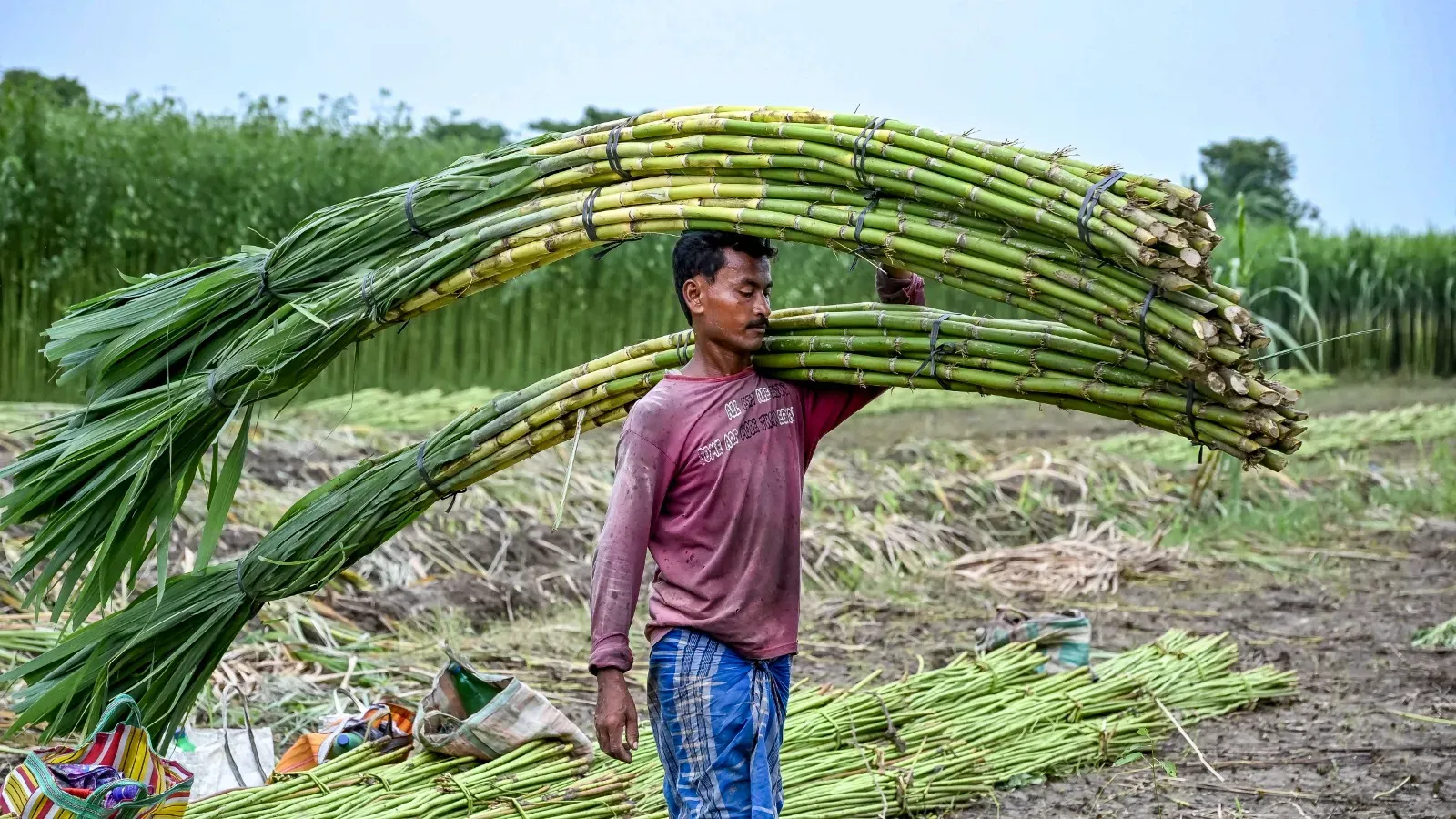
A worker carries bundles of sugarcane during harvest, in Nadia, West Bengal. (PTI Photo)
The Union government took a series of measures last week to control the sugar prices, including duty-free imports of 10 lakh tonnes of raw sugar under tariff rate quota till October 31.
On August 19, the Department of Food and Public Distribution directed businesses that consume more than 10 metric tonnes of sugar a month to hold inventories for no more than 15 days.
Under the order, no bulk consumer using more than 10 metric tonnes of sugar per month as a raw material for production, consumption or use can keep stocks for more than 15 days.
The restriction will apply to confectioners, soft drink manufacturers, food processing industries, sweetmeat sellers and other institutional buyers consuming at least 10 metric tonnes of sugar a month on average during the last one year.
The government has also allowed duty-free import of up to 10 lakh tonnes of raw sugar till October 31, 2026.
"The import policy for raw sugar is amended to allow 10 lakh MT of duty-free imports under Tariff Rate Quota (TRQ) till October 31, 2026," the Directorate General of Foreign Trade said in a notification.
According to the Ministry of Consumer Affairs, Food & Public Distribution, retail sugar prices have climbed from ₹48.18 per kg on July 20, 2026 to ₹55.70 per kg on August 20, 2026.
The price of sugar in Bhopal has shot up to ₹70 per kg from ₹65 a week ago, according to a PTI report, citing grocery shop owners.
Is ethanol to blame?
Opposition parties claimed that the ethanol blending policy was pushing up sugar prices and imposing an additional financial burden on people.
The government on Friday rejected claims that diversion of sugar for ethanol production was driving a sharp rise in the price of the sweetener.
“It is incorrect to attribute the recent increase in sugar prices to diversion of sugar for ethanol production,” the government said in a statement.
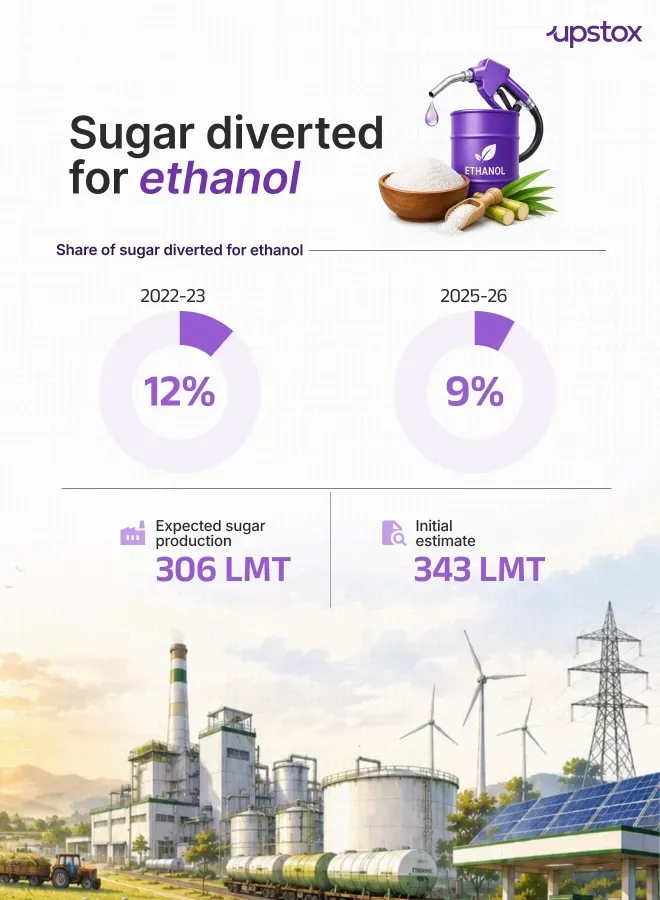
According to the ministry, the share of sugar diverted for ethanol has declined from around 12% in 2022-23 to around 9% in 2025-26.
“Moreover, nearly three-fourths of the ethanol produced in the country now comes from grains, particularly maize,” it added.
Former Maharashtra Sugar Commissioner Shekhar Gaikwad said sugarcane production and yields are declining, affecting overall sugar production.
"The sugarcane production in India is declining. The tonnage is also declining to some extent, which is affecting overall sugar production. Even if the government frames a new policy to increase production, it will take around 30-36 months to show results. The number of key sugarcane producing states is also decreasing. The government needs to check the stocks of sugar again," he told PTI.
Former National Federation of Cooperative Sugar Factories president Jayprakash Dandegaonkar said Maharashtra, the country's largest sugar producer, has also seen a reduction in the sugarcane crushing season.
"The span of sugarcane crushing in Maharashtra has also gone down. Factories that crushed sugarcane for around 150 days a year have reduced the season to nearly 100 days as the business is no longer affordable. We are paying farmers a Fair and Remunerative Price (FRP) of Rs 3,650 per tonne, while the Minimum Support Price (MSP) for sugar is Rs 3,100," he said.
Bhairavnath Thombre, president of the West Indian Sugar Mills Association (WISMA), said ethanol production cannot be blamed for the current rise in sugar prices.
"Earlier, in 2020, the entire 100% of ethanol was produced through sugar diversion. That share has now fallen to around 30%, with foodgrains accounting for a larger share,” Thombre said.
'Artificial scarcity'
Food Secretary Sanjeev Chopra called representatives of the industry bodies ISMA and the National Federation of Cooperative Sugar Factories (NFSCF) and told them that this sudden, sharp hike in ex-mill prices is "not acceptable".
"We have always been assisting the sugar sector, and we expect that they will not take advantage of these situations to the detriment of the consumers of the country," Chopra said.
To create "artificial scarcity", the secretary said some sugar mills are selling the stocks only on paper and not selling it physically. Therefore, he has instructed that the quantities sold must reach the markets for retail sale.
Chopra informed that he held a meeting with all the major sugar-producing states.
"They have also been told to be in readiness to start the sugar crushing early around 15th of October. We have also told them to come down heavily on the black marketers, hoarders and speculators," he said.
The government expects sugar production during the current season to be around 306 LMT, compared to the initial estimate of around 343 LMT by sugarcane-growing states.
Chopra asserted that there are ample sugar stocks in the country despite a fall in production to 306 lakh tonnes for the 2025-26 marketing year (October-September).
Related News
About The Author
Next Story

