Business News
Gas shortage in India: Who gets priority, who doesn't as govt issues order to regulate supply?

3 min read | Updated on March 10, 2026, 14:20 IST


SUMMARY
The government has issued the Natural Gas (Supply Regulation) Order, 2026 to control production, allocation and distribution of natural gas, including LNG and regasified LNG.

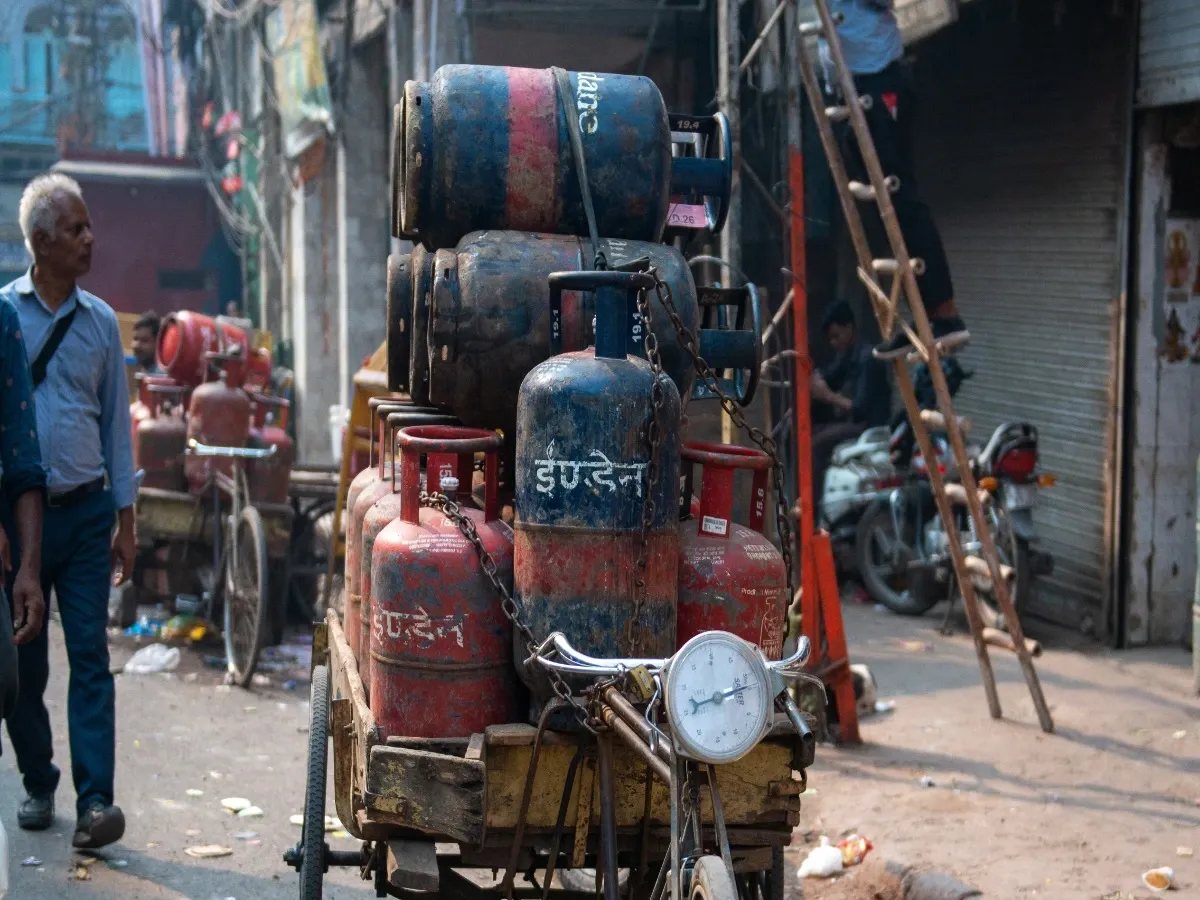
The order said shipments have been disrupted through the Strait of Hormuz, prompting suppliers to invoke force majeure and divert gas to priority sectors. Image: Shutterstock
The government has prioritised supply of natural gas to household piped gas connections, CNG used in automobiles and LPG production after disruption in LNG shipments due to the ongoing conflict in the Middle East, according to an official order.
Invoking its powers under the Essential Commodities Act, the government issued the Natural Gas (Supply Regulation) Order, 2026, to regulate production, allocation and distribution of natural gas, including LNG and regasified LNG.
The Ministry of Petroleum and Natural Gas said the conflict has affected LNG flows through the Strait of Hormuz, one of the world’s most critical oil and gas chokepoints.
“The ongoing conflict in the Middle East has resulted in the disruption of liquefied natural gas shipments through the Strait of Hormuz and suppliers have invoked force majeure clause which would entail diversion of natural gas to the priority sectors,” the order said.
Domestic PNG, CNG for transport top priority
Under the order, supply to domestic piped natural gas (PNG), compressed natural gas (CNG) for transport, LPG production and essential pipeline operations has been placed in the top priority category.
The supply of natural gas to these sectors “shall be treated as priority allocation and shall be maintained… to hundred per cent of their average past six month average gas consumption,” the order said.
Fertiliser plants have been placed in the second priority category and will receive 70% of their past six-month average gas consumption, subject to availability.
Industrial consumers supplied through the national gas grid, including sectors such as tea manufacturing and other industries, will receive 80% of their average consumption.
“The gas marketing entities shall ensure that gas supply to tea industries, manufacturing and other industrial consumers…is maintained at eighty per cent of their past six month average gas consumption,” the order stated.
City gas distribution companies have also been directed to maintain 80% supply for industrial and commercial consumers connected to their networks.
Petrochemical facilities, power plants to see reduction
The government has also ordered curtailment of gas supplies to certain sectors to meet the priority allocations.
“The gas required to meet the priorities… shall be through full or partial curtailment of gas supplied” to petrochemical facilities and power plants, the order said.
Petrochemical facilities including ONGC Petro additions Ltd, GAIL’s Pata Petrochemical Complex and Reliance’s oil-to-chemicals operations may face supply reductions along with other high-pressure gas consumers.
Oil refining companies have also been asked to absorb part of the LNG supply disruption by reducing gas use.
“The oil refining companies shall absorb the impact of LNG supply disruption… by reducing gas allocation to refineries to approximately sixty-five per cent of the past six month gas consumption,” the order said.
The order also empowers the government to override existing gas sale agreements and other commercial arrangements if required for implementing the supply regulation.
“The provisions of this order shall have effect notwithstanding anything inconsistent contained in the Gas Sale Agreements… and other commercial arrangements,” it said.
State-run GAIL (India) Ltd, in coordination with the Petroleum Planning and Analysis Cell (PPAC), will manage gas diversion and pooling to implement the revised supply allocation, the order added.
Related News

About The Author
Next Story