
Upstox Originals
The mystery of vanishing 1 BHK apartments in Mumbai

5 min read | Updated on May 21, 2026, 12:29 IST


SUMMARY
Mumbai’s iconic 1 BHK, the traditional entry point into the “Mumbai dream”, is quietly disappearing. In 2025, the inventory of 1 BHK flats plummeted by 50%. Rising land costs, thin developer margins and a clear post-pandemic shift toward larger homes have pushed supply towards higher-priced homes. While policy efforts aim to bridge the gap, the reality is harder to ignore: for the typical first-time buyer, the Mumbai foothold is slipping further away.
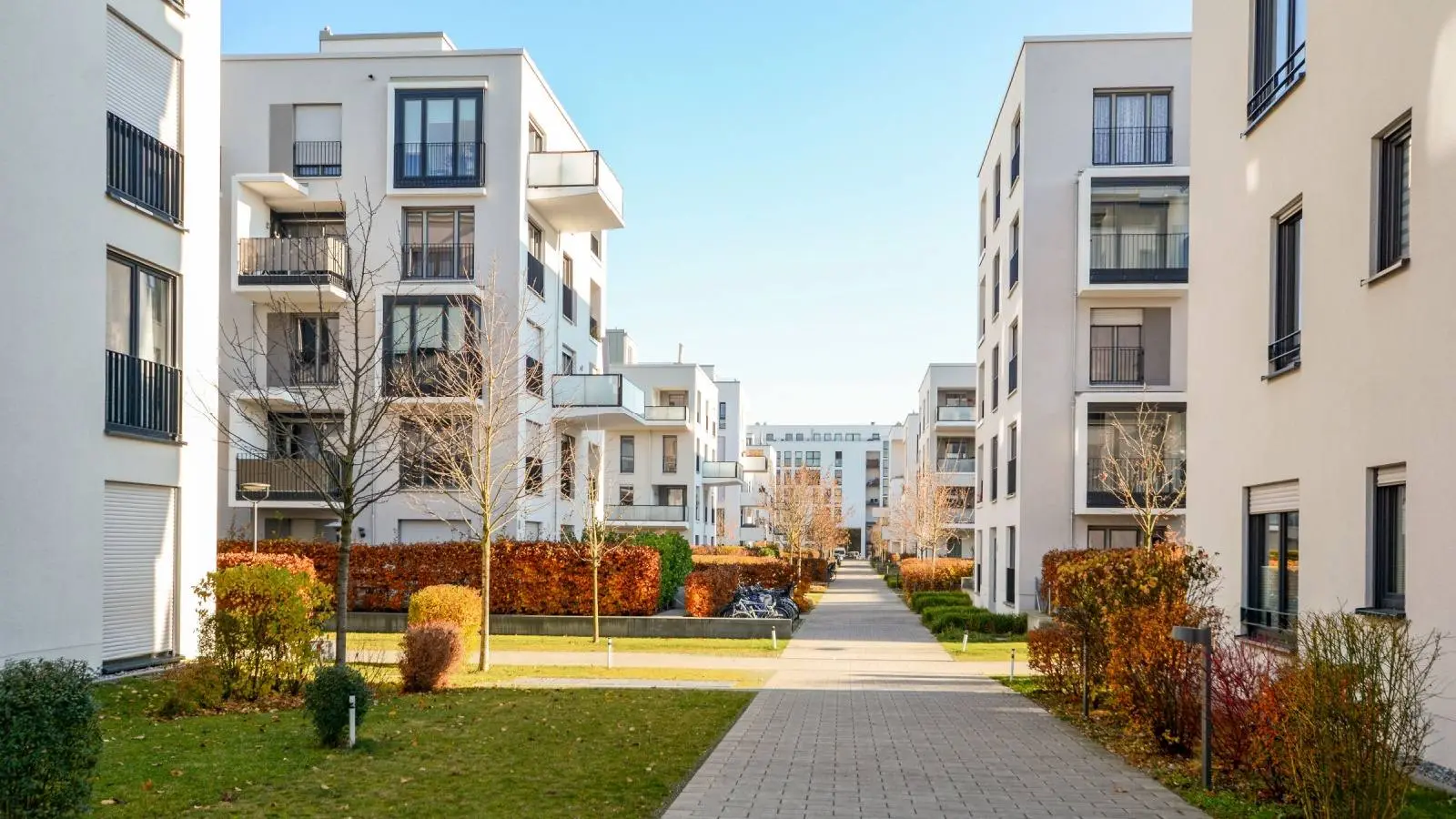
In 2025, the inventory of 1 BHK flats plummeted by 50% | Image: Shutterstock
For decades, the 1 BHK (bedroom-hall-kitchen) apartment was the ‘Mumbai dream’ in its most attainable form. A young professional moving to the city for a job, a newly married couple looking for their first home, or even a migrant worker—all of them set their sights on the compact one-bedroom flat. It wasn't glamorous, but it was a foothold. Today, that foothold seems to be disappearing.
According to recent MahaRERA filings and industry tracking, the 1 BHK is in a state of rapid decline. After 2022, the number of 1 BHK units being built by developers has been in freefall. By 2025, construction had crashed to fewer than 10,000 units—roughly half of what it was just a year earlier, and the lowest in at least five years.
| Year | 1 BHK units built | YoY change |
|---|---|---|
| 2021 | 19,691 | NA |
| 2022 | 22,799 | +16% |
| 2023 | 21,192 | -7% |
| 2024 | 19,281 | -9% |
| 2025 | 9,786 | -50% |
Source: Vishal Bhargava
This supply collapse feeds directly into sales. According to MahaRERA data reported by 99acres, the number of 1 BHK apartments registered in Mumbai fell from over 21,000 in 2022 to around 15,000 in 2024. You can't sell what isn't being built.
What is going on?
The short answer is margins. On a per-square-foot basis, a 1 BHK and a 3 BHK in the same building cost roughly the same to construct, but the 3 BHK sells for far more. As land prices in Mumbai have soared, developers have found it financially unprofitable to build smaller units.
According to ANAROCK's Indian Residential Real Estate Annual Report 2024, average residential prices in the Mumbai Metropolitan Region rose 21% year-on-year in 2024 alone—from ₹13,700 per sq ft to ₹16,600 per sq ft—and continued climbing, reaching approximately ₹17,100 per sq ft by mid-2025.
Big developers are pivoting to premium configurations. Post-pandemic, working from home made buyers acutely aware of cramped spaces, pushing many to stretch toward 2 BHKs.
Furthermore, the completion of major infrastructure like Metro Line 3 and the Coastal Road has shifted land value from "future potential" to "present-day certainty," pricing out entry-level configurations in favour of luxury redevelopment projects.
Average home prices in Mumbai have now reached nearly 34x the annual income of a typical buyer, placing the city ahead of New York (9x), London (13x) and even Hong Kong (21x) on global unaffordability rankings. In 2007, buying a two-bedroom flat in Mumbai cost roughly 3.5x a professional's annual salary. That ratio has increased tenfold in under two decades.
Is it only Mumbai?
A PropEquity report from January 2025 put hard numbers to the broader squeeze. Across India's nine major cities, the supply of homes priced at ₹1 crore and below collapsed between 2022 and 2024.
| City | Affordable units (2024) | 2-year decline |
|---|---|---|
| Delhi-NCR | 2,672 | -45% |
| Mumbai | 6,062 | -60% |
| Hyderabad | 13,238 | -69% |
| Chennai | 12,743 | -13% |
| Bengaluru | 25,012 | -33% |
| Pune | 50,095 | -32% |
Source: PropEquity report (January 2025)
As affordable supply shrunk, luxury supply boomed.
| City | Luxury supply change (2022–2024) |
|---|---|
| Delhi-NCR | +192% |
| Bengaluru | +187% |
| Chennai | +127% |
| Navi Mumbai | +70% |
| Pune | +52% |
| Hyderabad | -11% (exception) |
| Mumbai | -14% (exception) |
Source: PropEquity report (January 2025)
Across all nine cities combined, supply of homes above ₹1 crore rose 48% in two years, even as sub-₹1 crore supply fell 36%.
Where does this leave the 1 BHK buyer?
The Indian government has attempted to address this through the revamped Pradhan Mantri Awas Yojana Urban 2.0 (PMAY-U 2.0), launched in September 2024, which targets 1 crore urban families with subsidies of up to ₹2.50 lakh per unit.
Maharashtra has also unveiled a Housing Policy 2025 that aims to build 35 lakh homes by 2030, backed by a ₹70,000 crore investment and a new land bank for affordable developers. These are meaningful signals.
But policy timelines run in years and decades. For the young professional, the migrant worker, the newly married couple—in other words, the 1BHK buyer of every generation—the gap between aspiration and access has never been wider.
The 1 BHK is not gone—but it is retreating. It is moving further from city centres, shrinking in carpet area and increasingly appearing only at the city's outermost edges.
About The Author
Next Story

