
Personal Finance News
He received over ₹1 crore in dividend, but the taxman misunderstood the balance sheet and denied ₹62 lakh exemption. What ITAT held

4 min read | Updated on October 14, 2026, 07:26 IST


SUMMARY
This ITAT ruling is relevant to any equity investor who claimed dividend exemption in past, when it was allowed, but are now facing tax scrutiny.

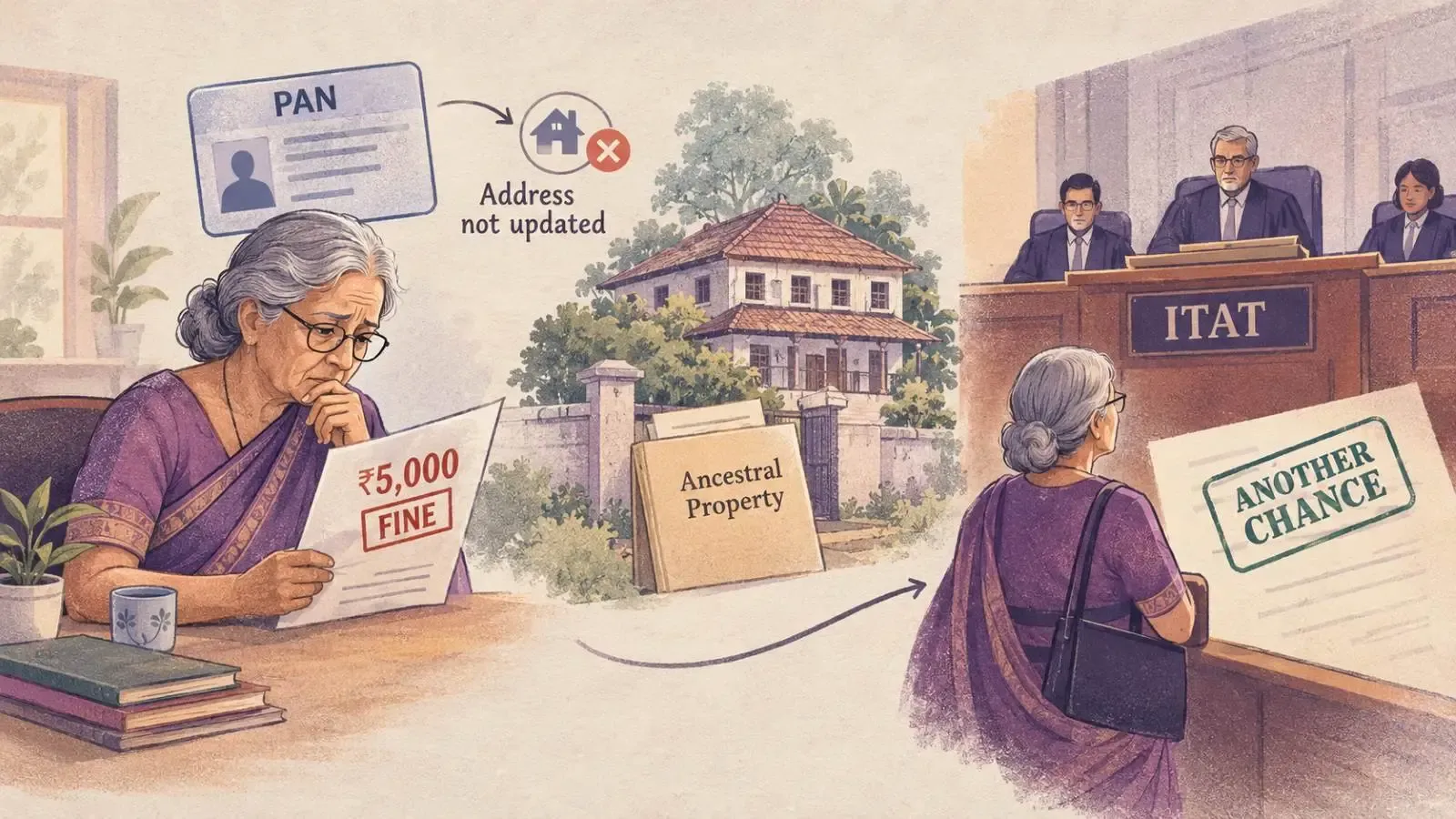
ITAT allowed exemption to the assessee, 13 years after he filed his return. | Representational image/AI generated.
An individual shareholder held 41,13,440 equity shares in Galaxy Surfactants Limited and received a dividend of ₹1,02,83,600 on them. When he claimed the dividend as exempt under section 10(34) of the Income-tax Act in AY 2013-14, the assessing officer reached into the company's balance sheet, picked up the wrong year's dividend figure, and denied him exemption of over ₹62 lakh.
Based on the ITAT order, this article explains details of the case along with takeaways for taxpayers.
Case history
Unnathan Shekhar filed his return on July 30, 2013, declaring a total income of ₹1,52,85,230. He also reported an exempt dividend income of ₹1,03,34,660 under section 10(34) (Please note dividend income is no longer exempted; it was allowed pre-2020).
Shekhar's case was picked for scrutiny, and he furnished the financial statements of Galaxy Surfactants Limited, which had paid him the dividend, to establish its genuineness. The assessing officer then examined the company's annual report. He noted that the assessee held 41,13,440 equity shares, being 11.60% of the paid-up equity of the company.
Without any specific query, the assessing officer (AO) took a proposed dividend of ₹3,55,00,000 shown in the company's balance sheet as on March 31, 2013, applied the 11.60% shareholding to it, and arrived at an estimated dividend of ₹41,13,440 as the proposed dividend for payment in FY 2013-14 worked out to Re 1 per share.
The AO concluded that the assessee had claimed excess exemption of ₹62,16,690 (the difference between ₹1,03,34,660 and ₹41,13,440) and rejected the exemption to that extent.
The CIT(A) upheld the denial by the AO.
Before the tribunal, Shekhar's counsel placed on record the company's financial statements for the years ended March 31 ,2013 and March 13, 2012, along with certified copies of the resolutions passed at the AGMs.
As per the documents placed by Shekhar's counsel, the proposed dividend of ₹3,55,00,000 in the balance sheet as at March 31, 2013 was for distribution in FY 2013-14, after shareholder approval at the AGM to be held in that year; in other words it belonged to the next assessment year.
The dividend that actually concerned AY 2013-14 was the one for the year ended March 31, 2012, when the company had proposed a dividend of ₹8,86,36,800, at ₹2.50 per share. This was approved by shareholders at the AGM held on August 3, 2012. Accordingly, Shekhar received the dividend on August 14, 2012.
What the ITAT found
The tribunal accepted the assessee's account while noticing that the "assessing officer misunderstood the figures of balance sheet of that company, and mistakenly/ wrongly picked up the proposed dividend to be distributed in next financial year FY 13-14, contrary to actual receipt of dividend on 14-08-2012." The tribunal also noted that the correct figure of ₹8,86,36,800 was visible on the same page.
The AO, it said, had accepted the section 10(34) exemption in principle but had picked up the dividend relating to the immediately following assessment year, 2014-15, calculated an eligible figure of ₹41,13,440, deducted that from the current year's receipt, and treated the difference as excess.
"Assessing officer has misconstrued the balance sheet amounts and incorrectly picked up subsequent year's dividend as of current year," the tribunal concluded while allowing the exemption to Shekhar, 13 years after he claimed the exemption.
The ITAT directed the officer "to allow the claim of exemption u/s 10(34) of the Act of dividend receipt of ₹1,02,83,600" and set aside the disallowance of ₹62,16,690.
Takeaways for taxpayers
This ITAT ruling is relevant to any equity investor who claimed dividend exemption in past, when it was allowed, but are now facing tax scrutiny.
The tribunal's order shows how a mix-up between two years' dividend figures in a company's accounts can turn a fully disclosed, genuinely received dividend into an alleged excess claim. However, such errors can be undone by putting on record underlying resolutions and financial statements.
Related News

About The Author
Next Story

