
Personal Finance News
He deposited ₹2.47 crore cash into three savings accounts at the same bank and landed in the tax net. Here's how he got relief after 10 years

3 min read | Updated on September 28, 2026, 15:58 IST


SUMMARY
A decade after demonetization, the ruling is a reminder that those cases are still being decided, and that they rely on paperwork: cash deposits supported by audited books, returns and invoices.
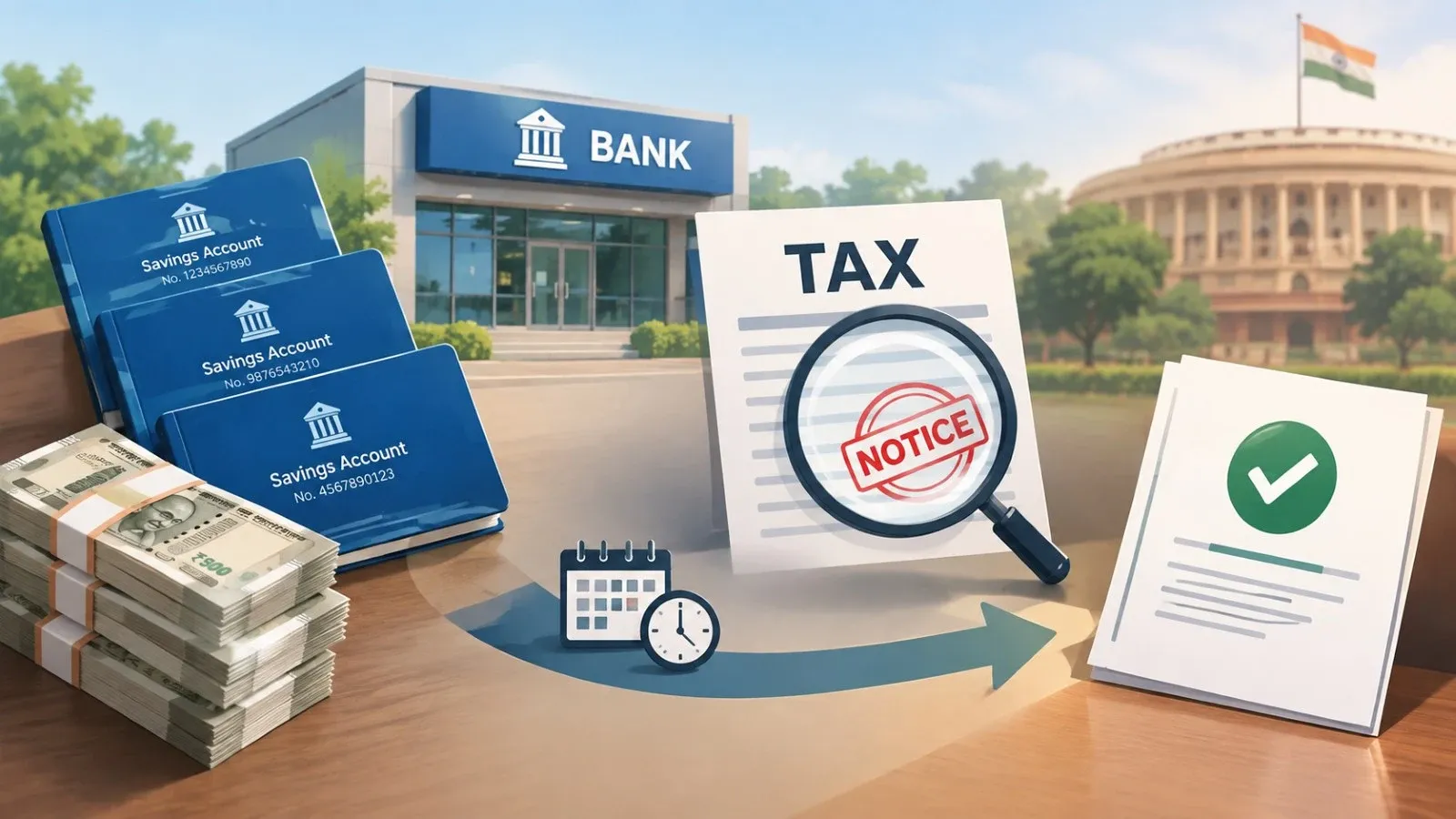
For a pharma retailer selling largely in cash the deposits were directly corelatable with the cash sales. | Representational image
Case history
The case concerns Rakesh Kumar, a resident of Rohini in Delhi. Kumar is engaged in the retail of pharmaceuticals and medicines. During the demonetization window of FY 2016-17, he deposited total cash of ₹2,47,91,057 into his three savings bank accounts maintained with Oriental Bank of Commerce.
As the specified bank notes became invalid from November 8, 2016, the assessing officer treated the multiple deposits of old currency as unexplained, and the entire amount was added as unexplained cash credit under section 68 read with section 115BBE, which levies tax at a punitive rate on unexplained amounts. Further, the assessment was framed under section 144 on December 18, 2019, and the CIT(A), NFAC, confirmed the addition on February 12, 2026.
What worked in his favour
Kumar claimed that ₹1,64,37,357 was on account of his cash sales of medicines deposited in the bank. He supported this claim by the audited balance sheet, VAT returns and sample sale invoices. However, both lower authorities rejected his claim. The remand report mentioned that no matching expense debits appeared in the bank accounts, and the CIT(A) held that no corroborative reconciliation was furnished to correlate the deposits with sales, stock and cash balance. The tribunal disagreed.
ITAT noted that the assessee had submitted complete financials, VAT returns and sample bills, which are not self-serving documents, and that neither authority had found any defect in them
The tribunal also observed that neither the assessing officer nor the CIT(A) had resorted to section 145 to reject the books of account, and "once that is the case, the lower authorities have to accept the books of account as it is".
For a pharma retailer selling largely in cash, the deposits were, in the tribunal's view, "directly corelatable with the cash sales made during the demonetization period". The tribunal thus deleted this addition.
What abour the remaining deposits?
The remaining deposits of ₹83,69,770 comprised cash withdrawals of ₹9,23,500 redeposited into the accounts, Kumar's personal savings of ₹2,46,270, and ₹72,00,000 of family moneym including from his wife, brother, brother's wife, son and daughter, backed by their ITRs, declarations and bank account details.
The assessing officer called this "a colourable device for the cash deposited in the bank accounts whose source is not known". He also questioned why a prudent person would withdraw cash only to redeposit it, and noted that only paper-signed confirmations were filed. The CIT(A), in the tribunal's words, "simply brushed aside and rejected the explanation of the assessee without any cogent reason".
However, the tribunal found the family members' bank accounts and availability of cash funds proven. It pointed out that the assessing officer's remand report "has not negated by any evidence that these are unaccounted", while the CIT(A) "could not negate the evidences filed by the assessee and simpliciter rejected the explanation".
Finding "no infirmity", the bench deleted the ₹83,69,770 addition as well and allowed the appeal.
For anyone who deal in cash, a lesson from this case is that unexplained deposits can invite section 115BBE's sting, but documented deposits, sales records and identifiable family sources can defeat the charge.
Related News
About The Author
Next Story

