
Personal Finance News
Travelling abroad as a couple? How to split expenses while keeping personal spending separate

3 min read | Updated on September 19, 2026, 07:08 IST


SUMMARY
Travelling abroad as a couple? Learn how to create a shared travel budget, split common expenses and manage personal spending without money-related disagreements.

Keeping the shared funds in a separate forex card or travel wallet can also make it easier to track expenses and stay within the agreed limit.
Planning a holiday together does not necessarily mean spending every rupee together. For couples travelling overseas, deciding what goes into the shared budget and what stays personal can help avoid money-related disagreements during the trip.
Setting a shared travel budget in advance can bring some clarity to expenses while still leaving room for individual spending. Flights, accommodation, meals, local transport and sightseeing can be treated as common expenses, while shopping, entertainment and other personal purchases can be managed separately.
For example, if a five-day trip to Singapore is expected to involve ₹2 lakh in shared expenses, the couple could contribute ₹1 lakh each towards the common budget. They can then decide separately how much they are comfortable spending on their individual interests.
Keeping the shared funds in a separate forex card or travel wallet can also make it easier to track expenses and stay within the agreed limit.
Pavan Kumar Kavad, Managing Director, Prithvi Exchange, said, “Couples planning an overseas trip should ideally decide upfront which expenses they want to share and which they would prefer to manage individually. This gives both partners a clear understanding of how much they need to contribute towards the holiday, while also allowing them to retain some flexibility around their personal spending.”
The idea is to have clarity on the overall cost of the holiday without turning every expense into a joint decision.
“Agreeing on the bigger-ticket expenses together, while leaving room for individual financial choices, can make managing money during the trip much simpler. A separate travel wallet or forex card for common expenses can also help couples keep track of their spending and know when they are getting close to their budget,” Kavad added.
How couples can manage their travel budget
-
Decide which expenses will be shared and which will be personal before booking.
-
Set a fixed contribution from each partner.
-
Keep common spending separate from personal spending.
-
Agree on a limit for larger discretionary expenses.
-
Carry more than one payment option while abroad.
What about UPI payments abroad?
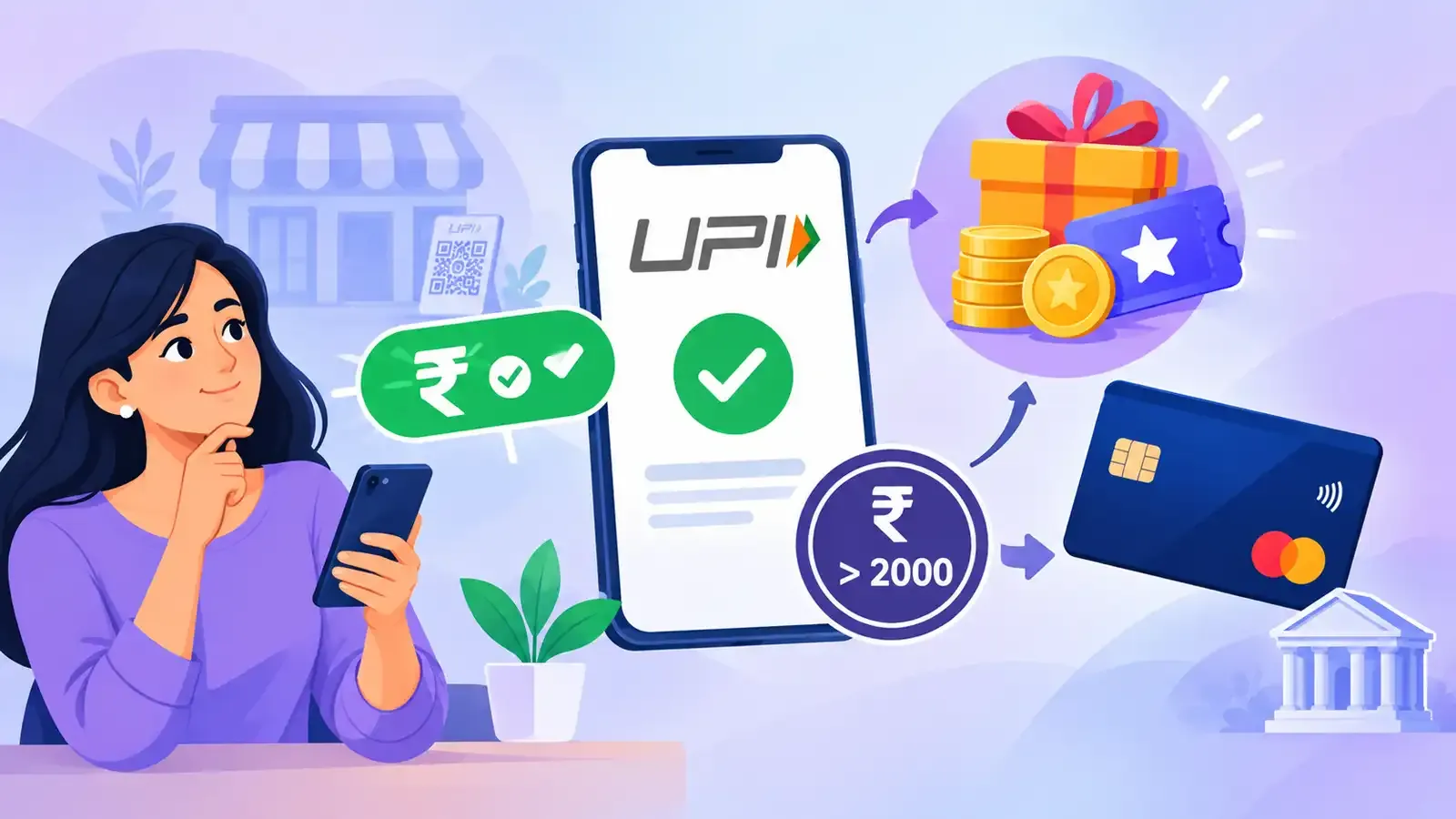
UPI can also give couples another way to manage small, everyday payments abroad, where accepted. This can be useful for splitting or tracking routine expenses, while a forex card or international card can be kept as a backup for places that do not accept UPI.
UPI is currently available at participating merchants across several countries, including Singapore, the UAE, Nepal, Bhutan, Sri Lanka, France, Mauritius and Qatar. However, acceptance can vary, so travellers should ideally carry a forex card or international card as a backup.
Zero forex markup credit cards can also help
For couples using credit cards for overseas spending, forex markup is another cost worth considering. Some cards charge a fee when a transaction is made in a foreign currency, which can add to the overall cost of the trip.
Related News

About The Author
Next Story

