
Personal Finance News
Study abroad cost from India: How much does education outside India really cost in 2026? How can parents plan early?

6 min read | Updated on August 19, 2026, 16:05 IST


SUMMARY
Planning to study abroad? Know the costs of overseas education from India and how parents can start planning and saving early.
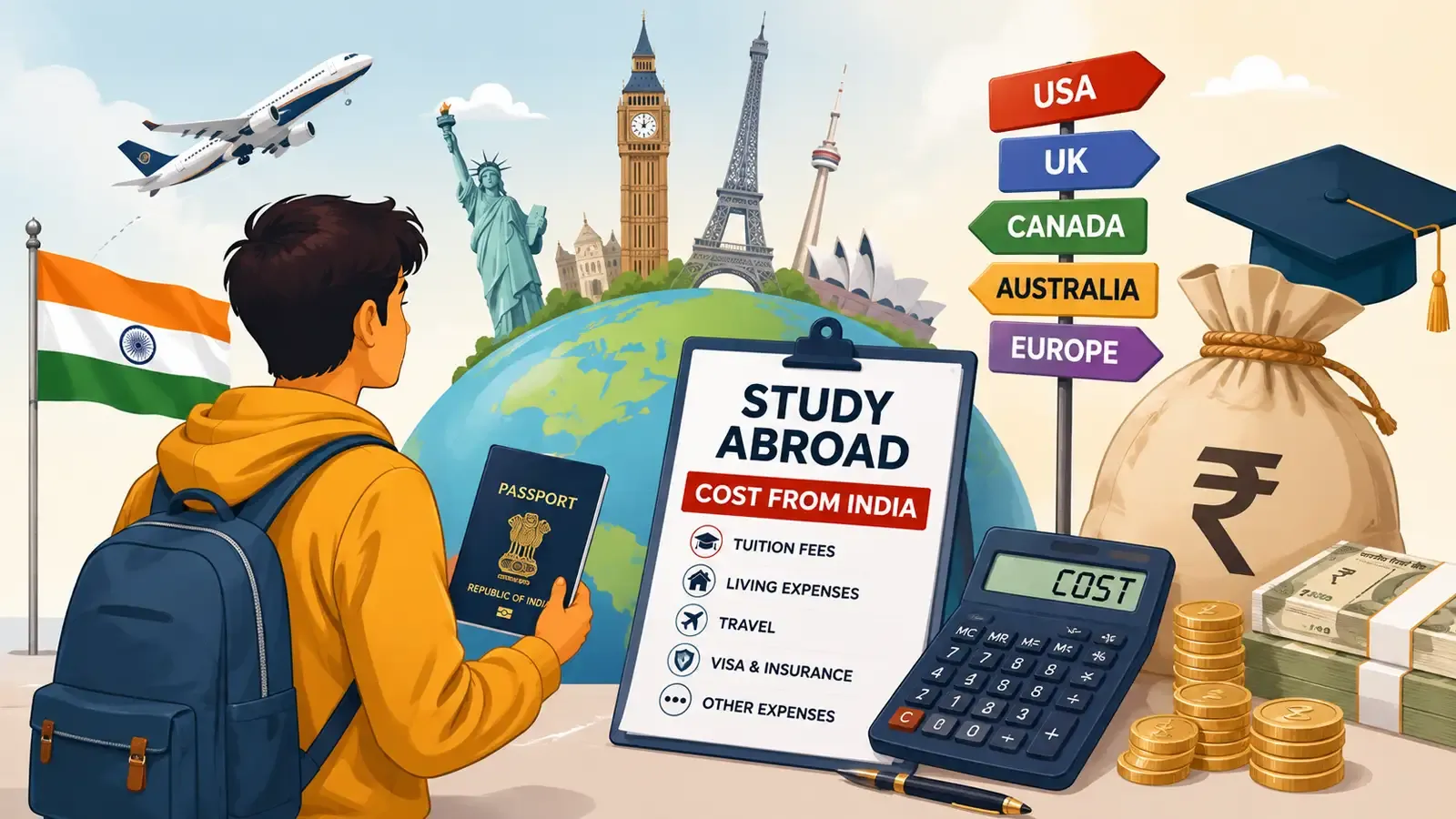
It takes a long-term strategy to plan for studying abroad. | Image: Pixabay
For Indian students seeking access to international education systems, greater employment possibilities, and exposure to the world, studying abroad continues to be one of their top options.
The most important query that many families have, nevertheless, is how much studying overseas from India actually costs and how parents should budget.
Tuition is not the only expense associated with studying abroad. University fees, lodging, food, travel, health insurance, visa fees, and other costs must all be taken into account by families. The country, university, course, length of study, and lifestyle choices all have a big impact on the overall cost.
Tuition costs for overseas students can differ significantly between nations and programs, according to information gathered from institution websites and education portals like Bachelorsportal. The figures mentioned below are indicative and may change depending on the university, course, academic year and exchange rate movements.
USA study cost
The United States remains one of the most preferred destinations for Indian students, particularly for STEM and postgraduate programmes.
For undergraduate programmes, tuition fees generally range between $20,000 and $50,000 per year (approximately ₹17 lakh to ₹43 lakh). Postgraduate programmes may cost more depending on the specialisation and university.
Apart from tuition fees, students may need around $10,000 to $18,000 annually (approximately ₹8.5 lakh to ₹15.5 lakh) for accommodation, food, transportation, utilities and other living expenses.
UK study cost
The UK is a popular choice among Indian students due to its globally recognised universities and shorter course durations.
Undergraduate courses generally cost between £12,000 and £25,000 per year (approximately ₹14 lakh to ₹29 lakh), while postgraduate programmes may range between £14,000 and £30,000 (approximately ₹16 lakh to ₹35 lakh).
Students should also budget around £10,000 to £15,000 annually for living expenses, depending on the city and lifestyle.
Canada education cost
Canada has become an attractive destination for Indian students due to its education quality and comparatively affordable costs.
Annual tuition fees generally range between CAD 15,000 and CAD 35,000 (approximately ₹9 lakh to ₹22 lakh).
Living expenses, including accommodation, food and transportation, can add another CAD 10,000 to CAD 18,000 per year.
Germany and Europe study cost
Germany and several European countries offer more affordable education options, especially through public universities.
Many public universities in Germany charge low or no tuition fees for certain programmes, but students need to plan for living expenses. These may range between €10,000 and €15,000 annually (approximately ₹10 lakh to ₹15 lakh).
Australia study cost
Australia continues to attract Indian students due to its universities, research opportunities and post-study work options.
Tuition fees generally range between AUD 20,000 and AUD 45,000 annually (approximately ₹12 lakh to ₹27 lakh).
Living expenses can add another AUD 15,000 to AUD 25,000 per year, depending on the city and lifestyle.
Overall, the study abroad cost from India can range from around ₹20 lakh to ₹80 lakh or more, depending on the destination, course, university and duration of study.
Start planning early for your child's overseas education
Financial planners say parents should start preparing early because education inflation can significantly increase the amount required over time.
Shweta Shastri, Certified Financial Planner (CFP), said: "From my experience as a CFP, the biggest mistake parents make is starting too late. Ideally, begin investing when the child is young because time does most of the heavy lifting."
When we talk about studying abroad today, a current cost of ₹60 lakh doesn't stay the same. With education inflation of around 9%, this can grow to nearly ₹1.4 crore in 10 years and about ₹2.2 crore in 15 years. That's the reality most parents underestimate.
"I usually recommend starting with equity mutual funds like flexi-cap funds, which are well-diversified equity funds, or index funds with some passive exposure to the index and some international exposure for long-term growth. But as the goal approaches, start gradually shifting to safer debt options at least four years before," said CFP Shweta Shatri.
"To build approximately ₹1.4 crore in 10 years, you may need an SIP of roughly ₹55,000 to ₹60,000 per month at around 12% return. For a 15-year goal of approximately ₹2.2 crore, the SIP requirement comes to around ₹35,000 to ₹40,000 monthly,: explained CFP Sweta Shastri.
"You also don't have to fund everything alone. Many families plan to cover a portion of the cost and use an education loan for the remaining amount. This helps balance financial pressure and keeps other financial goals intact. Review investments every year, rebalance when required, increase SIPs with income growth, and stay consistent because that is what truly works," advised Shastri.
Consider education inflation and currency movement
Pankaj Mathpal, MD & CEO at Optima Money Managers said parents planning overseas education should consider both rising education costs and currency fluctuations.
"The cost of education generally increases by 10%-12% annually. Also, if you are planning to send your children abroad, especially to the USA, you should consider an additional 3%-4% increase due to the tendency of the rupee to depreciate against the dollar.
Investing in products that offer 7%-8% guaranteed returns may not help you accumulate a sufficient corpus for such goals. Understanding risk and investing in market-linked products may be more suitable.
It takes a long-term strategy to plan for studying abroad. Families may manage one of the largest financial goals without disturbing their overall financial security by starting early, choosing appropriate investing options, and routinely evaluating the plan.
Related News



About The Author
Next Story

