
Personal Finance News
8th Pay Commission: Dearness relief payment rules applicable in 2026, what may change
.png)
4 min read | Updated on September 17, 2026, 17:54 IST


SUMMARY
Pensioners and employees' unions are expecting a lot of changes with respect to dearness relief under the 8th Pay Commission. This article lists current dearness relief payment rules and expected changes.
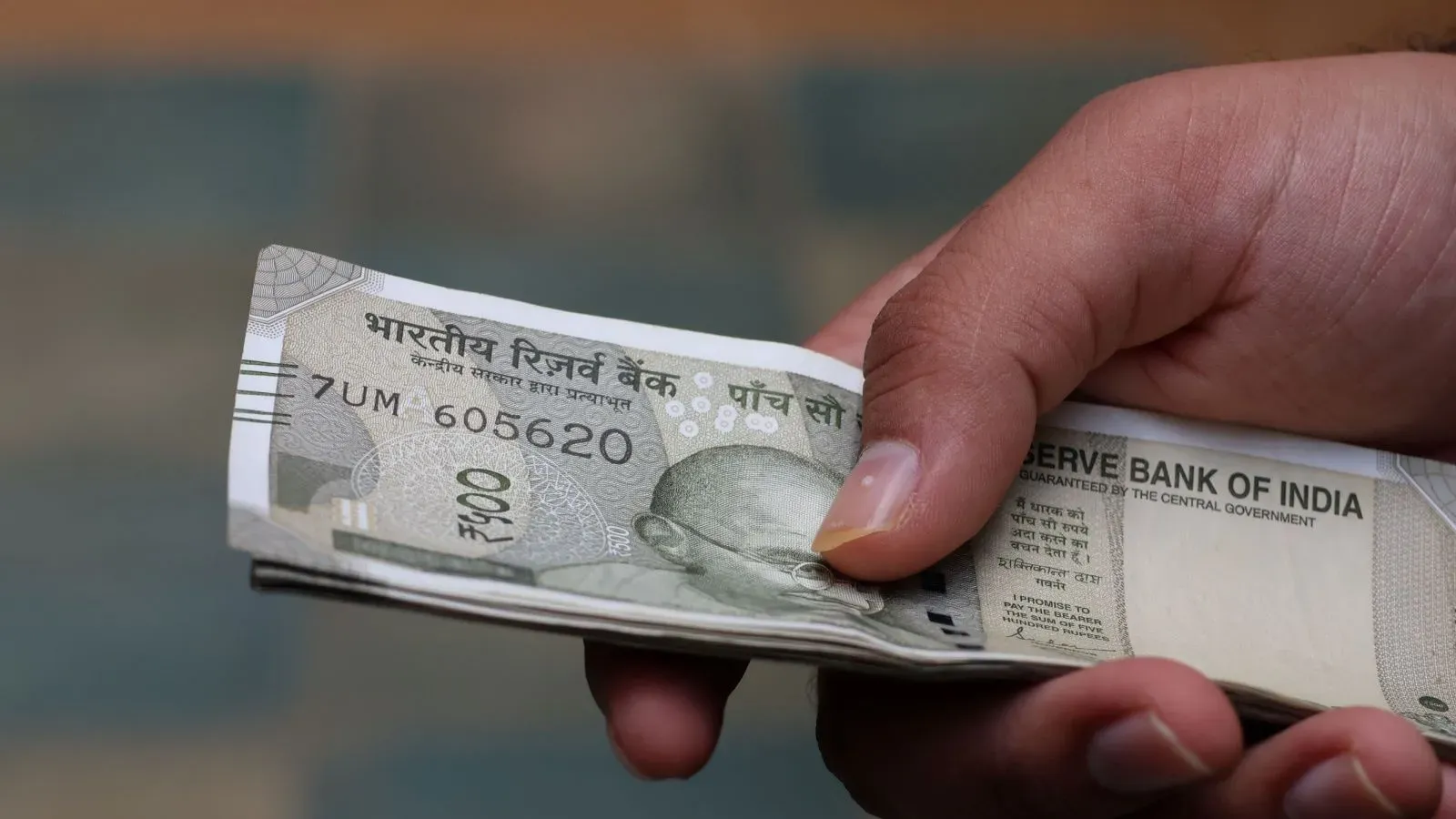
Dearness relief is paid to pensioners. | Image: Shutterstock
The Central Pension Accounting Office (CPAO) recently released the sixth edition of "Scheme for Payment of Pensions to Central Government Civil Pensioners Through Authorised Banks", updated to April 2026. This rulebook includes all the rules governing dearness relief payment to central government pensioners.
As per the CPAO's rule book, the relief is paid automatically alongside pension.
“Dearness Relief is granted to the pensioners, including the persons drawing compassionate allowance under Rule 41 of CCS (Pension) 2021 and to family pensioners, at such rates and subject to such conditions as the Central Government may specify from time to time,” the booklet says.
The calculation is done by the banks: “The calculations of Dearness Relief would be made by CPPC and amount so arrived will be credited to the pensioners/family pensioner's account by the CPPC without any delay,” the rulebook adds.
Dearness relief for reemployed pensioners
The dearness relief is not unconditional for re-employed persons. It says a re-employed pensioner “shall not be eligible to draw dearness relief on the pension or compassionate allowance during the period of such re-employment or permanent absorption or immediate absorption”.
Dearness relief will continue to be payable to a pensioner on reemployment or on permanent absorption or immediate absorption if,-
-
he was not holding a post included or classified as Group-'A'
-
his pay was fixed at the minimum of the scale of pay of the post and such minimum of the scale of pay was less than the pay which he was drawing immediately before his retirement or absorption.
-
his pension was ignored while filing his new pay .
A certificate is required from the Central or State Government Department or office or the Corporation or the Company or the Body or the Bank to.
Intimation of reemployment
The rules say that for claiming dearness relief on pension or compassionate allowance, a pensioner is required to furnish a certificate of non-employment or employment or reemployment including permanent absorption or immediate absorption, under the central or state government or union territory, corporation or company or body or bank under them in India or abroad, in the month of November each year in the prescribed form.
"In case a pensioner declare about his employment or re-employment with emoluments which includes dearness allowance, additional dearness allowance, etc., provisions of Rule 52 of CCS (Pension) Rules, 2021 should be enforced. In case the pensioner fails to submit the non-employment or an employment/re-employment certicate on due date, the elements of dearness relief for December and onward may not be credited by the bank. Pension will continue to be credited," the rules say.
Dearness relief to family pensioners
Family pensioners fare better. The rules say that the family pensioner shall continue to be eligible to draw dearness relief on family pension during the period of such employment.
This applies to family pensioner who is employed under the central or state government or a corporation or company or body or bank under them in India or abroad and is eligible to draw a family pension from the Government in respect of a deceased member of his family in accordance with Rule 50 of CCS (Pension) Rules, 2021.
What is expected to change under 8th CPC?
Pensioners and employees' unions are expecting a lot of changes with respect to dearness relief under the 8th CPC.
The Bharat Pensioners Samaj, representing nearly a million pensioners, has demanded a quarterly revision of DA/DR on the basis of the three-month average, with point-to-point compensation, and examination of the merger of DR with basic pension after it exceeds 25%..
The FNPO's 728-page memorandum echoes the merger demand. It says, “8th CPC may recommend merger of DA/DR with Basic Pay whenever it crosses 25%”. It goes further, proposing a Permanent Wage Review Body under which, “whenever DA/DR reaches 50%, PWRB should recommend a revised fitment factor within 90 days.”
The Railways Senior Citizens' Welfare Society (RSCWS) said “although Dearness Allowance provides partial protection against inflation, the gap between periodic pay revisions and the continuously rising cost of living, results in erosion of real wages and pensions.”
The Ministerial Staff Association, Survey of India, agreed, saying: “The existing Dearness Allowance (DA) mechanism does not fully capture the 'Need-Based' requirements for a modern family unit, particularly regarding education, healthcare, and social obligations.”
For now, the 2026 rulebook leaves the dearness relief rules as they are. Whether the 8th CPC turns the demands on the table — quarterly relief, a merger threshold, a standing review body — into recommendations will decide whether the seventh edition of the booklet reads very differently.
Related News


About The Author
Next Story

