
Personal Finance News
RBI MPC October 2026: Will repo rate rise 25 bps? What borrowers and FD savers should know

8 min read | Updated on October 06, 2026, 13:29 IST


SUMMARY
The RBI MPC meets from October 5-7 as inflationary pressures and crude oil prices rise. Economists and research houses expect a 25 bps hike, but what would it mean for loans, EMIs, fixed deposits and fixed-income investments?
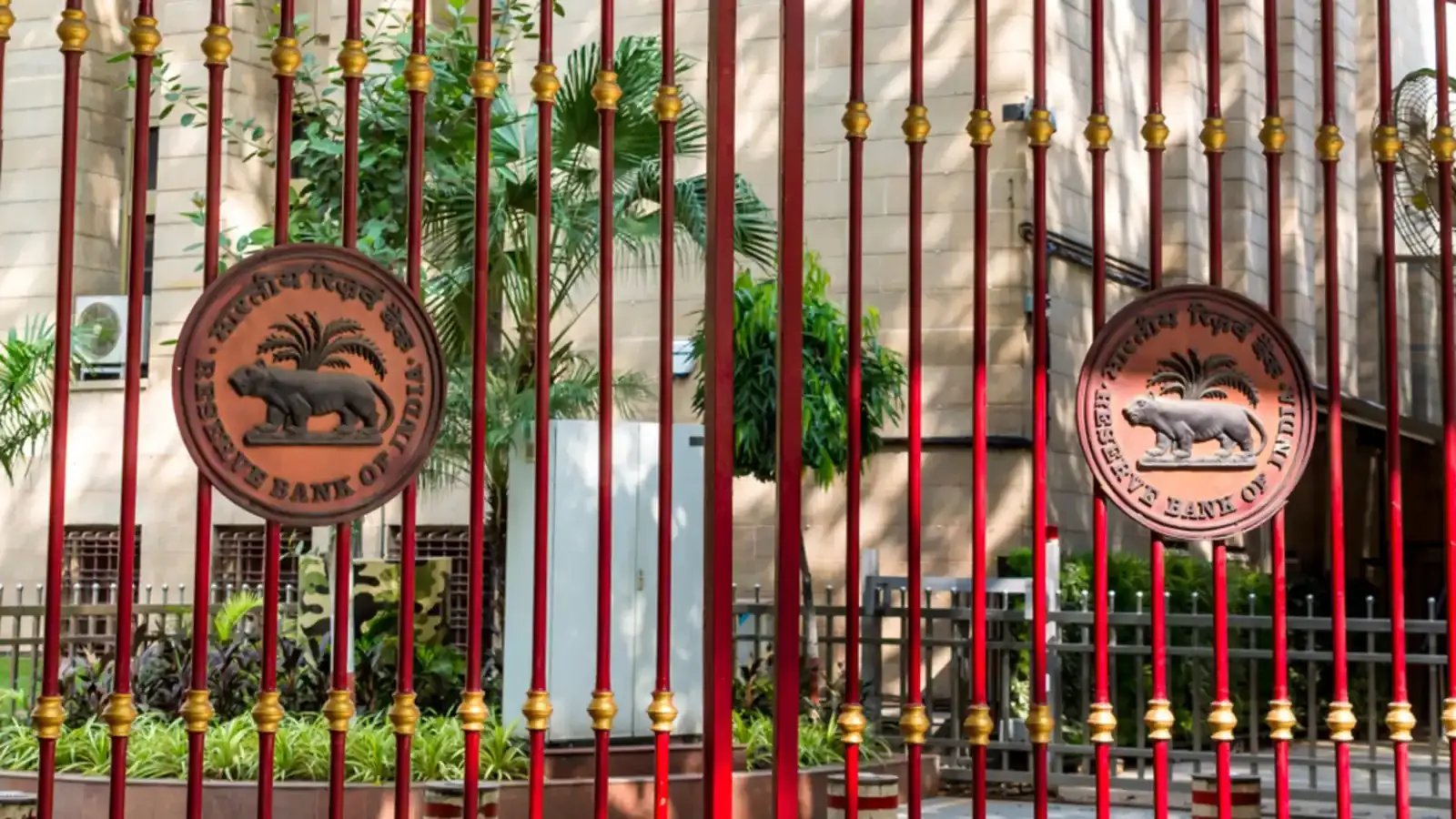
The Reserve Bank of India’s Monetary Policy Committee (MPC) is meeting from October 5 to October 7, 2026, with the policy decision due on October 7.
The RBI’s October 5-7 MPC meeting comes at a time when inflation is rising, crude oil prices remain elevated and global interest rates are moving higher. Here’s what a possible 25 bps repo-rate hike could mean for loans, deposits and fixed-income investments.
RBI MPC meeting: Date, time and what to expect
The Reserve Bank of India's Monetary Policy Committee (MPC) is meeting from October 5 to October 7, 2026, with the policy decision due on October 7. The repo rate currently stands at 5.25%.
The October meeting is being closely watched because the RBI could raise the repo rate for the first time since February 2023. A 25 basis point (bps) increase would take the repo rate to 5.50%.
Expectations of a hike have strengthened as retail inflation has climbed, crude oil prices have risen and several global central banks have turned more hawkish. At the same time, India's economy remains relatively strong, giving the RBI some room to focus on inflation.
Why does the RBI MPC matter to your personal finances?
The repo rate is not the interest rate that consumers directly pay on their loans or earn on their deposits. However, it influences the broader cost and availability of money in the financial system.
-
Floating-rate loans and EMIs
-
Personal and business borrowing costs
-
Fixed-deposit rates
-
Bond and other fixed-income investments
-
Decisions around saving, borrowing and investing
The impact will not be identical for everyone. It depends on the type of loan or investment, the benchmark involved, the lender or bank and how quickly changes in policy rates are passed through.
What did the RBI do last time?
The rate cuts were part of an easing cycle aimed at supporting growth as inflation moderated. The October meeting now comes against a very different backdrop, with inflationary pressures building again.
This is why the policy decision could be an important signal for the next phase of the interest-rate cycle.
When was the last RBI repo-rate hike?
The RBI last raised the repo rate in February 2023, when it increased the rate by 25 bps to 6.50%.
If the RBI raises rates this week, it would therefore be the first repo-rate hike in more than three years.
Dr. Amit Goenka, Chairman & MD, Nisus Finance, expects a 25 bps hike to be a measured response to the changing inflation environment.
“With inflationary pressures becoming broader and global interest rates remaining elevated, the upcoming RBI MPC meeting will be closely watched for how the central bank balances inflation concerns with the need to support growth.”
Goenka also believes the domestic economy remains resilient, but cautions that borrowing costs staying high for an extended period could eventually affect investment decisions.
“For real estate and infrastructure, the immediate impact of a moderate rate increase should remain manageable, particularly for projects backed by strong demand and prudent leverage.”
He said the RBI's guidance on the future path of rates will be as important as the immediate decision.
SBI Research expects two 25 bps hikes
SBI Research has pointed to elevated crude oil prices, external shocks and signs that inflation is becoming more broad-based. Its September analysis said the situation had changed significantly from expectations of a prolonged pause just a month earlier.
If the two hikes materialise, the repo rate could reach 5.75% by the end of 2026.
Japanese brokerage Nomura has also forecast 25 bps hikes in both October and December, although views on the eventual path of rates remain divided.
What does a 25 bps rate hike mean for borrowers?
For borrowers, the biggest concern is whether a higher repo rate translates into higher borrowing costs.
Floating-rate loans linked to external benchmarks can see their interest rates rise when the benchmark moves. Depending on the lender and loan structure, borrowers could face a higher EMI, a longer repayment tenure or both.
The immediate impact of a 25 bps move may be limited, but the effect becomes more meaningful if rates remain elevated or there are further hikes.
Puja Abhishek Singh, CEO, Manipal Fintech, said borrowers should also look at the type of loan they have.
“Borrowers on repo-linked loans may see a slight impact on EMIs or loan tenure, while those with older MCLR-linked loans can compare their current rates with available offers and consider switching if it could help them save on their overall borrowing cost.”
For someone taking a new loan, the rate decision is also a reminder to compare the overall cost of borrowing, rather than simply choosing the lender offering the lowest headline rate.
What does a rate hike mean for FD savers?
For savers, higher interest rates can have the opposite effect.
Banks may increase deposit rates if the cost of funds rises, which could make fresh fixed deposits more attractive. However, the transmission is not automatic and can vary from one bank to another.
Singh said: “For FD savers, a higher-rate environment could offer an opportunity to earn better returns on deposits, although the impact may vary from bank to bank.”
For an existing FD, a rate hike generally does not change the interest rate already locked in until maturity. The benefit of higher rates is more relevant when opening a new deposit or renewing a maturing one.
Savers should therefore compare rates, tenure, premature-withdrawal rules and the overall suitability of the deposit before locking in their money.
What does it mean for debt and fixed-income investors?
The impact on fixed-income investors is more nuanced.
Higher interest rates can mean better yields for investors putting fresh money into debt instruments. But rising yields can also put pressure on the prices of existing bonds.
Murthy Nagarajan, Head – Fixed Income, Tata Asset Management, expects the RBI to raise rates and tighten liquidity amid rising inflation.
“India CPI inflation is expected to move towards 6 percent in coming months due to higher food inflation. Companies are expected to pass on higher input costs to the end customers gradually, which should keep CPI inflation elevated in coming months.”
Nagarajan believes investors may look towards the shorter end of the yield curve.
“From an investors perspective, investors may consider investing in the short end of the yield curve to take advantage of high accrual available over the prevailing repo rate.”
He identified ultra-short-term, money-market and low-duration debt products as possible options for conservative investors, depending on their risk profile and investment objectives.
What should borrowers and savers do now?
For borrowers, the key is not to try to perfectly predict the RBI's next move. Instead, they should check whether their finances can comfortably absorb a period of higher interest rates.
Those taking a new loan should compare the effective interest rate, benchmark, lender spread, processing fees and total repayment cost.
Existing floating-rate borrowers should check how their lender will transmit a repo-rate change and what it could mean for their EMI or tenure.
For FD investors, a higher-rate environment could provide an opportunity to reassess deposits as they mature. But locking money away for a longer period should be weighed against liquidity requirements and the possibility that rates could change again.
Investors in debt products should similarly consider duration, credit quality and liquidity rather than choosing an investment only because it offers a higher yield.
“A 25 bps point increase in the repo rate is increasingly being expected, which would take the rate from 5.25% to 5.50%. For investors, a potential rate hike could create an opportunity to lock in relatively attractive rates across fixed income products such as FDs and bonds. However, investment decisions should not be driven only by expectations around the next rate move. Investors should consider their financial goals, investment horizon, liquidity requirements and the underlying credit risk before choosing an instrument. In a changing rate environment, maintaining a diversified fixed income allocation and matching the tenure of investments with financial goals can help investors navigate different interest rate cycles with greater predictability,” said Saurabh Jain, Co-Founder & CEO, Stable Money.
Related News


About The Author
Next Story

