
Personal Finance News
Gold Monetisation Scheme: 9 FAQs on depositing gold and earning interest amid rising gold prices

4 min read | Updated on May 15, 2026, 08:05 IST


SUMMARY
The Gold Monetisation Scheme, 2015, was introduced by the Government of India to mobilise idle gold held by households and bring it into the formal financial system. The scheme allows eligible resident Indians to deposit gold , including jewellery, bars, and coins (excluding stones and other metals), and earn interest on such deposits.

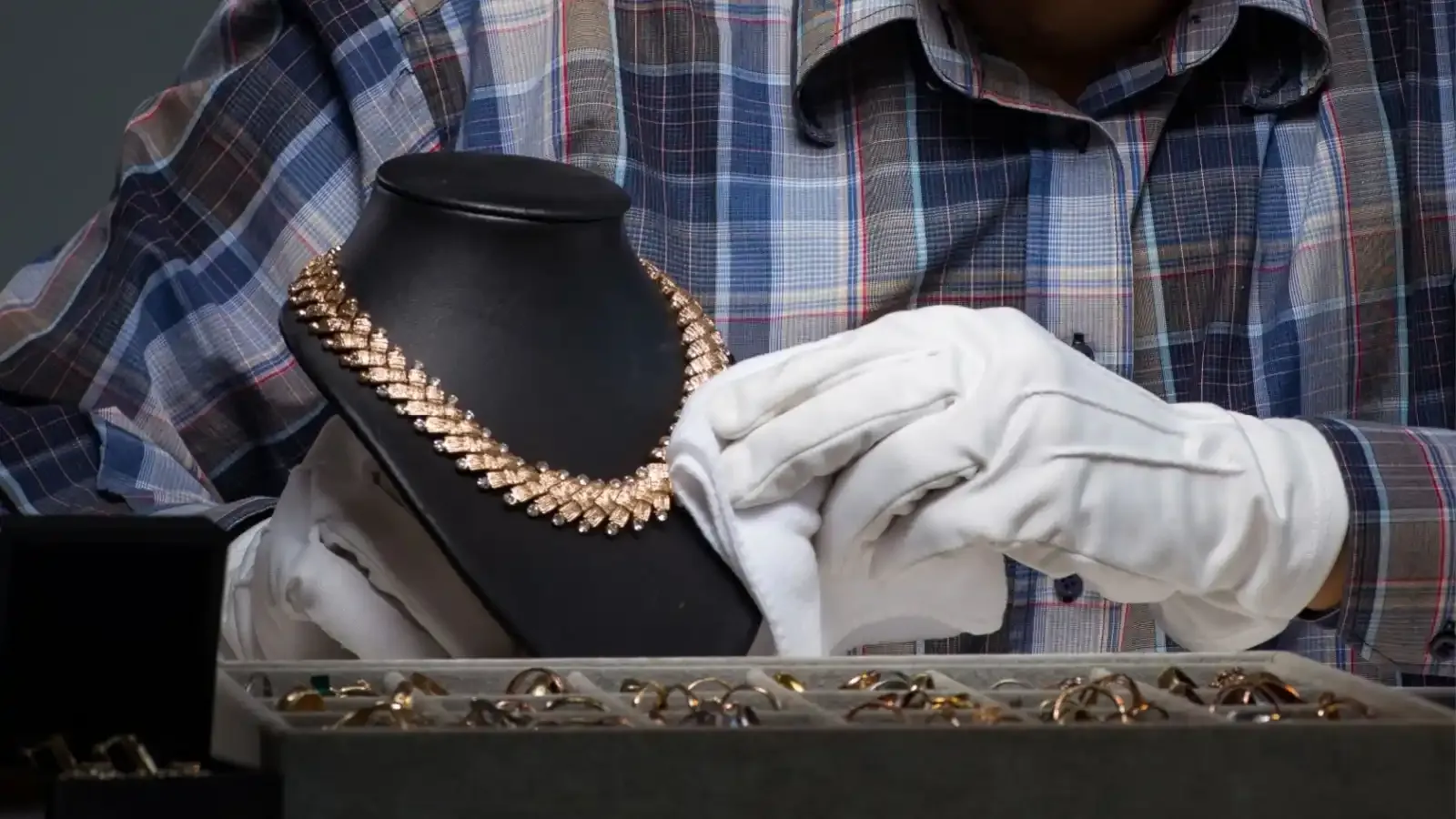
The Gold Monetisation Scheme, 2015, was introduced by the Government of India to mobilise idle gold held by households. | Image: Shutterstock.
Gold Monetisation Scheme: Gold prices in India have witnessed significant movements, supported by global trends and changes in import duty. A substantial portion of gold held by households remains idle in homes and lockers.
What is the Gold Monetisation Scheme (GMS)?
The Gold Monetisation Scheme, 2015, was introduced by the Government of India to mobilise idle gold held by households and bring it into the formal financial system.
The scheme allows eligible resident Indians to deposit gold , including jewellery, bars, and coins (excluding stones and other metals), and earn interest on such deposits.
1. Who is eligible to deposit in the scheme?
Resident Indians are eligible, including:
-
Individuals
-
Hindu Undivided Families (HUFs)
-
Trusts including Mutual Funds/ETFs registered under SEBI regulations
-
Companies
-
Partnership Firms
-
Charitable Institutions
-
Central and State Government entities
Joint deposits are permitted in accordance with applicable banking rules relating to joint accounts and nomination.
2. What types of deposits are available, and what is their tenure?
Following the Government of India press release ID 2115009 dated March 25, 2025, Medium Term Government Deposit (MTGD) and Long Term Government Deposit (LTGD) components have been discontinued with effect from March 26, 2025, including renewals.
Currently, deposits can be made under the Short Term Bank Deposit (STBD) category only, for tenures ranging from 1 to 3 years. Deposits for durations outside this framework are not permitted, although deposits may be renewed upon maturity.
3. How is a deposit made under the scheme and when does interest start?
Deposits are accepted at authorised Collection and Purity Testing Centres (CPTCs) or GMS Mobilisation, Collection & Testing Agents (GMCTAs), where the gold is tested for purity in the presence of the depositor. Upon acceptance, gold is converted into standard gold of 995 fineness and credited to a Gold Deposit Account with a designated bank.
Interest on deposits starts from the date of conversion of gold into tradable gold bars or 30 days after receipt of gold at the CPTC/GMCTA, whichever is earlier.
4. What is the minimum and maximum amount of gold that can be deposited?
5. How is interest and principal paid at maturity?
Deposits earn interest as determined by designated banks. At maturity, depositors may choose:
-
Gold in equivalent quantity, or
-
Indian Rupee equivalent of the gold value at the time of redemption
Interest is paid in Indian Rupees with reference to the value of gold at the time of deposit.
Banks may also provide rupee loans against Gold Deposit Certificates issued under the scheme.
6. What happens to jewellery deposited under the scheme?
Gold jewellery undergoes purity testing at authorised centres. If the depositor consents, the jewellery is melted. Once melted, the gold cannot be returned to its original jewellery form.
7. Is KYC required before depositing gold?
Yes. KYC compliance is mandatory for all depositors unless the depositor is already KYC compliant with the bank.
8. Can deposits be withdrawn before maturity?
Premature withdrawal provisions for STBD deposits are determined by the designated banks under the scheme.
9. Why was the scheme introduced?
The scheme aims to mobilise gold held by households and institutions to reduce dependence on imports, facilitate productive use of gold within the financial system, and provide depositors with an opportunity to earn returns on idle gold.
Related News



About The Author
Next Story

