
Market News
Twin triggers for Vedanta stocks: T2T settlement ends, Investec initiates coverage on Aluminium

4 min read | Updated on June 30, 2026, 10:39 IST


SUMMARY
While the four companies (Vedanta Power, Vedanta Aluminium, Vedanta Oil and Gas, and Vedanta Iron and Steel) complete their mandatory 10-day Trade-to-Trade (T2T) settlement period, leading investment firm Investec has initiated coverage on Vedanta Aluminium Metal, with a positive outlook.
Stock list
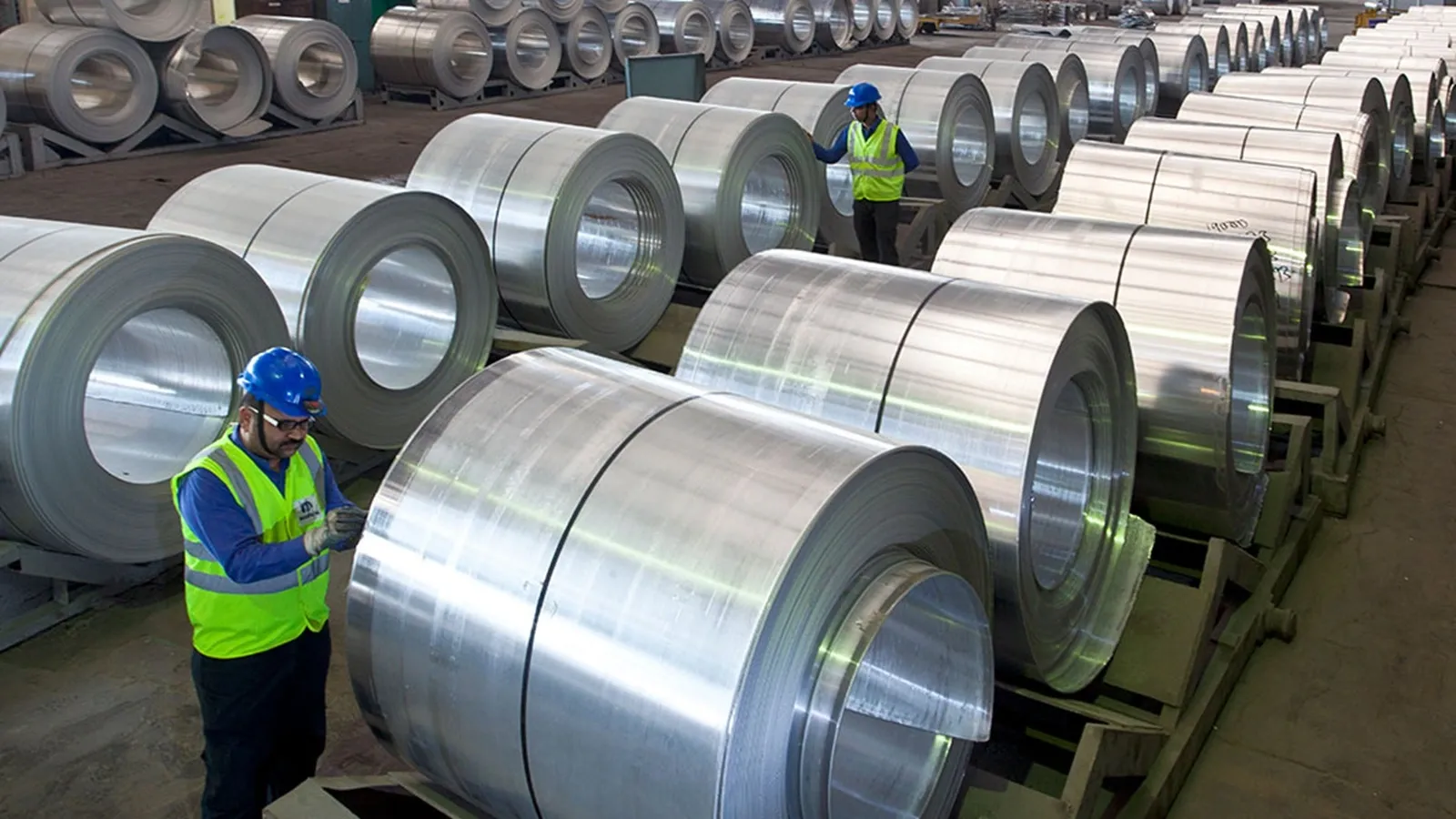
Investec has initiated coverage on Vedanta Aluminium Metal, valuing the company at 7x FY28 estimated EV/EBITDA. Image: Company website
Shares of Vedanta Aluminium Metal and the other recently demerged Vedanta Group entities are expected to remain in focus on Tuesday, June 30, amid two key developments.
While the four companies (Vedanta Power, Vedanta Aluminium, Vedanta Oil and Gas, and Vedanta Iron and Steel) complete their mandatory 10-day Trade-to-Trade (T2T) settlement period, leading investment firm Investec has initiated coverage on Vedanta Aluminium Metal, with a positive outlook.
_Here is a look at the developments in a little detail _
Investec has initiated coverage on Vedanta Aluminium Metal, valuing the company at 7x FY28 estimated EV/EBITDA.
Valuing the company at 7x FY28 estimated EV/EBITDA means Investec is assigning Vedanta Aluminium Metal a valuation equal to seven times its expected Enterprise Value (EV) relative to its EBITDA (operating profit before interest, taxes, depreciation and amortisation) for FY28.
This valuation method compares the company's value with the cash earnings it is expected to generate. A 7x multiple implies Investec expects the company's future earnings growth, cost efficiencies and balance-sheet improvement to justify this valuation.
According to Investec, Vedanta Aluminium Metal is the purest listed play on India's aluminium sector, with control over more than 55% of the country's aluminium smelting capacity and over 40% of alumina refining capacity.
Factoring in the company's growth capital expenditure, Investec expects Vedanta Aluminium Metal's aluminium volumes and EBITDA to register a CAGR of 6% and 28%, respectively, over FY26–FY28. The investment firm also expects the company to deleverage rapidly, with its balance sheet improving to a net cash position by FY28 from a net debt-to-EBITDA of 1.7x at the end of FY26.
Investec said its estimates incorporate structural cost savings of around $140 per tonne, driven by greater integration of captive coal and bauxite resources, as well as an improved alumina balance. These factors, it believes, are expected to strengthen the company's profitability over the medium term.
Stocks moving out of trade-to-rade (T2T) segment
Stocks moving out of the trade-to-trade (T2T) segment will see a change in the way investors can trade them.
Under the T2T category, every trade requires compulsory delivery of shares, which means intraday buying and selling is not allowed.
After completing the mandatory T2T period, these stocks can move to the normal trading segment, where investors may be able to trade them more freely, including intraday transactions, subject to exchange approvals.
For investors, the shift mainly means better liquidity and potentially higher participation, but it can also bring increased volatility as more traders enter the stock.
Vedanta demerged entities listing: A quick recap
On June 15, 2026, Vedanta group's four demerged entities -- Vedanta Aluminium Metal, Vedanta Power, Vedanta Oil and Gas and Vedanta Iron And Steel -- made their stock market debut.
Vedanta Aluminium Metal started trading at ₹522 on the NSE, while Vedanta Power listed at ₹41.80, Vedanta Oil and Gas at ₹38 and Vedanta Iron and Steel at ₹20 on the NSE.
Vedanta's demerger was approved by the National Company Law Tribunal (NCLT) in December last year. Under the 1:1 approved demerger scheme, shareholders will receive one share of each demerged company for every one share held in the currently listed Vedanta Ltd.
Vedanta had earlier said that the demerger will help in simplifying Vedanta's corporate structure with sector-focused independent businesses and provide opportunities to global investors, including sovereign wealth funds, retail investors and strategic investors, with direct investment opportunities in dedicated pure-play companies linked to India's remarkable growth story through Vedanta's world-class assets.
What the circular said before stocks’ debut on bourses
All four stocks will be placed in the Trade-for-Trade (T2T) segment for the first 10 trading sessions. Under this framework, investors can buy or sell shares only through delivery-based trades, so intraday trading is not permitted.
Exchanges typically impose this restriction on newly listed stocks to curb excessive speculation and volatility and to ensure orderly price discovery, explain analysts.
Related News


About The Author
Next Story

