
Market News
Nifty Bank rises 2% as HDFC Bank, ICICI Bank, SBI gain: Top factors behind the banking stock rally explained

4 min read | Updated on June 24, 2026, 12:52 IST


SUMMARY
The Nifty Private Bank index also jumped 2% to hit an intraday high of 28,256.65, with all constituents trading in positive territory
Stock list

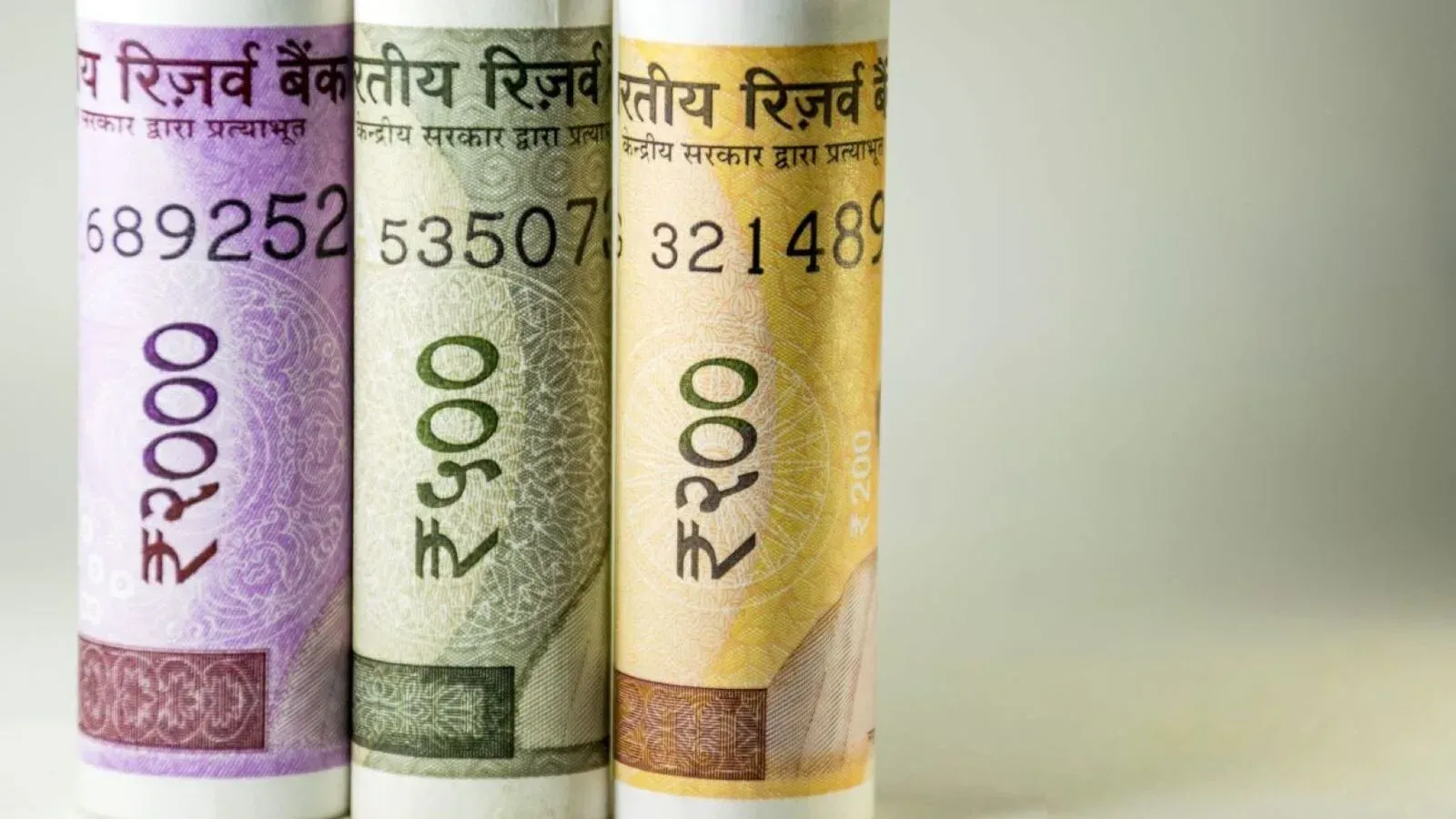
All 14 constituents on the Nifty Bank were trading in the green, with AU Small Finance Bank taking the lead. Image: Shutterstock
The banking stocks witnessed a strong buying interest, with Nifty Bank gaining 1.6% to an intraday high of 58,128.65 level as market sentiment turned positive, tracking a fall in crude oil prices in global markets and strength in the rupee against the US dollar.
All 14 constituents on the Nifty Bank were trading in the green, with AU Small Finance Bank taking the lead, rising 3.04%. ICICI Bank (2.69%), HDFC Bank (1.9%), IndusInd Bank (1.73%), Yes Bank (1.63%), and State Bank of India (1.59%) were the other top contributors.
The Nifty Private Bank index jumped 2% to hit an intraday high of 28,256.65, with all constituents trading in positive territory. Meanwhile, the Nifty PSU Bank index gained 1%, rising to an intraday high of 8,671.75, as all stocks in the index traded in the green.
RBI injects transient liquidity in banking system
The Reserve Bank of India (RBI) on June 23 injected ₹1,41,171 crore in transient liquidity into the banking system through a seven-day variable rate repo (VRR) auction. The funds were infused at a cut-off and weighted average rate of 5.26%.
This was done after the liquidity in the banking system turned into a deficit of ₹19,971.89 crore as of June 22, from a surplus of ₹30,685.11 crore as of June 21.
Experts attributed the tightening of liquidity to the outflows on account of goods and services tax (GST) payments from the banking system.
To ease liquidity pressures and keep overnight money market rates in check, the central bank has infused transient liquidity of about ₹2.43 lakh crore through variable rate repo (VRR) auctions of different tenures over the past few days.
Dollar-rupee forex swap facility for fresh FCNR (B) deposits
This month, the RBI introduced a US dollar-rupee forex swap facility for fresh FCNR(B) deposits mobilised by banks for a minimum tenor of three years and a maximum of five years to attract foreign capital.
Under the swap arrangement, a bank can sell US dollars in multiples of $1 million to the RBI and simultaneously agree to buy the same amount of US dollars at the end of the swap period.
The swap facility will be available to the AD Category I banks for fresh FCNR (B) deposits mobilised in any freely convertible currency, including deposits that are renewed upon maturity, for a minimum tenor of three years and a maximum tenor of five years.
However, the swap facility with RBI will be available in US dollars only. “The underlying deposits will have a lock-in period of one year. The banks may, at their discretion, allow premature withdrawal of such deposits after one year, as per their internal policy,” RBI said. However, swaps undertaken with the RBI cannot be cancelled.
Earlier this month, the monetary policy committee (MPC) of the RBI had decided to keep the repo rate unchanged at 5.25% and kept the stance 'neutral.'
FPIs pour ₹35,000 crore in Indian bonds
All these investments came under the Fully Accessible Route (FAR) of Indian government securities. This is because FAR allows non-resident investors to invest in specified Government of India-dated securities without any investment ceilings, as per data.
FPI holdings in FAR securities stood at ₹3.58 lakh crore on Tuesday, up from ₹3.23 lakh crore on June 3, the data showed. Prior to this, the foreign investors have poured ₹5,512.108 crore in May and ₹5,262.016 crore in April. However, there were outflows of ₹17,687.988 crore in March.
Related News

About The Author
Next Story

