Market News
Neogen Chemicals, NMDC, Vedanta, GMDC: Critical minerals push puts these stocks on radar

4 min read | Updated on September 23, 2026, 10:08 IST


SUMMARY
The Mines Ministry on Tuesday said it would soon introduce an incentive scheme to promote the domestic processing of lithium and nickel.
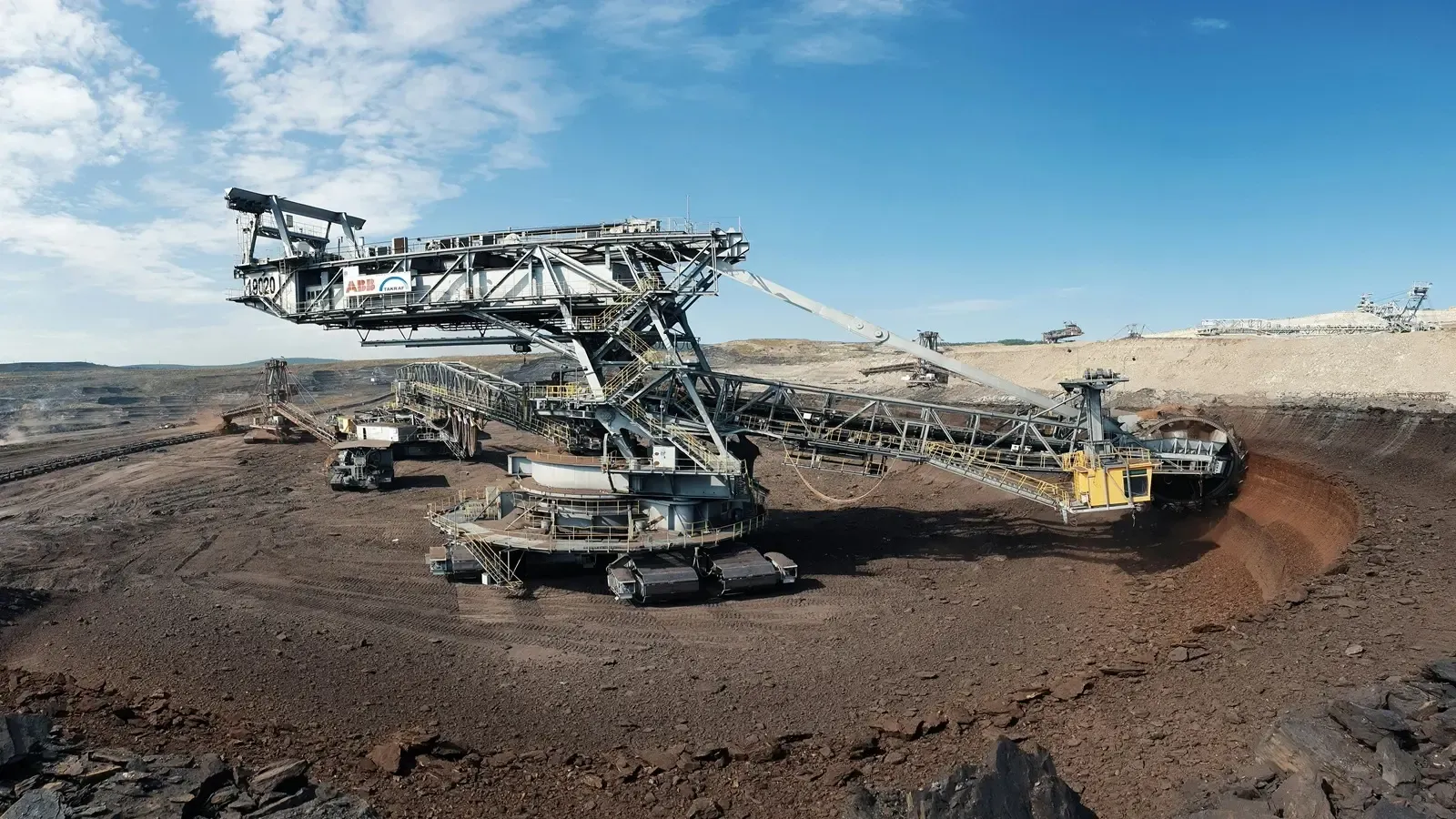
Chandra said four states had identified mineral sources, processing methods and the downstream industries that could be developed around the proposed parks. Image: Unsplash (Representative image)
Shares of Neogen Chemicals, NMDC, Vedanta, Hindustan Copper and GMDC are likely to be in focus on Wednesday, September 23, after the Mines Ministry on Tuesday said it would soon introduce an incentive scheme to promote the domestic processing of lithium and nickel.
The initiative is intended to support the creation of an integrated critical mineral value chain in the country and lower India's dependence on imported processed materials, Mines Secretary Keshav Chandra said.
"Very soon, we will be launching our scheme for lithium and nickel," Chandra said at the 60th Annual General Meeting of the Federation of Indian Mineral Industries (FIMI).
The government has also cleared proposals for setting up critical mineral processing parks in Gujarat, Maharashtra, Odisha and Andhra Pradesh.
Chandra said he had recently assessed the progress made by the four states and expressed satisfaction with their preparations.
"All of them are doing a fantastic job. Within a short period, they have identified the sources of minerals, the manner in which they will be processed and the downstream industries that can be developed," he said.
Chandra said the states had identified mineral sources, processing methods and the downstream industries that could be developed around the proposed parks.
Stocks in focus
Its Pakhajan facility in Gujarat has planned capacity of 30,000 MT of electrolytes and 3,000 MT of lithium electrolyte salts and additives, making the company relevant to the government's push to develop domestic lithium processing and downstream battery-material capabilities.
Neogen is in focus because it is one of the few listed Indian chemical companies with a direct, existing lithium-to-battery-materials business, and the government's upcoming incentive scheme could potentially improve the economics and competitiveness of such domestic processing — although the actual benefit to Neogen will depend on the scheme's final details.
Its portfolio also includes critical-mineral blocks covering resources such as lithium, cobalt, rare earth elements, tungsten, vanadium and manganese. The government's proposed incentives for domestic nickel and lithium processing could therefore add to investor interest around Vedanta's critical-minerals strategy.
NMDC has been diversifying its mineral portfolio, while its broader critical-minerals strategy gives it a read-through from the government's efforts to build domestic processing capabilities.
The linkage to the current lithium-nickel scheme is broader than Neogen's lithium exposure or Vedanta's nickel operations.
The government has cleared a critical-mineral processing park in Gujarat, although the state's identified focus is on rare-earth permanent magnets, rather than the lithium/nickel processing covered by the new incentive scheme. GMDC is therefore a broader thematic play rather than a direct lithium/nickel read-through.
However, the current announcement is specifically about lithium and nickel, so its connection is more indirect than that of Neogen Chemicals or Vedanta's nickel business.
What else Chandra said
The secretary flagged concerns over mining blocks that have not begun operations even after the completion of auctions, receipt of statutory clearances and execution of mining leases.
Referring to the practice as "squatting", Chandra said the government was not comfortable with companies holding on to mining blocks without commencing operations.
"Somebody has secured a mining block, all clearances have been obtained, and the lease has been signed, but operationalisation has still not commenced," he said.
Chandra urged FIMI members to address the issue seriously, saying the government was concerned about such instances.
Key facts
Lithium is an important input for lithium-ion batteries used in electric vehicles, consumer electronics and battery energy-storage systems. Its light weight and high electrochemical potential help batteries store greater amounts of energy.
Nickel, widely used in stainless steel manufacturing, is also important for high-energy-density lithium-ion batteries. Nickel-rich cathode chemistries can increase battery energy density and reduce reliance on cobalt, supporting their use in electric vehicles and stationary energy-storage systems.
Related News


About The Author
Next Story