Market News
IOC, HPCL, BPCL: Why OMC stocks are trading lower despite hike in fuel prices

4 min read | Updated on May 15, 2026, 10:26 IST


SUMMARY
OMCs in focus: Petrol price has been hiked to ₹97.77 per litre from ₹94.77 in the national capital. Diesel now costs ₹90.67 per litre, up from ₹89.67 previously.
Stock list
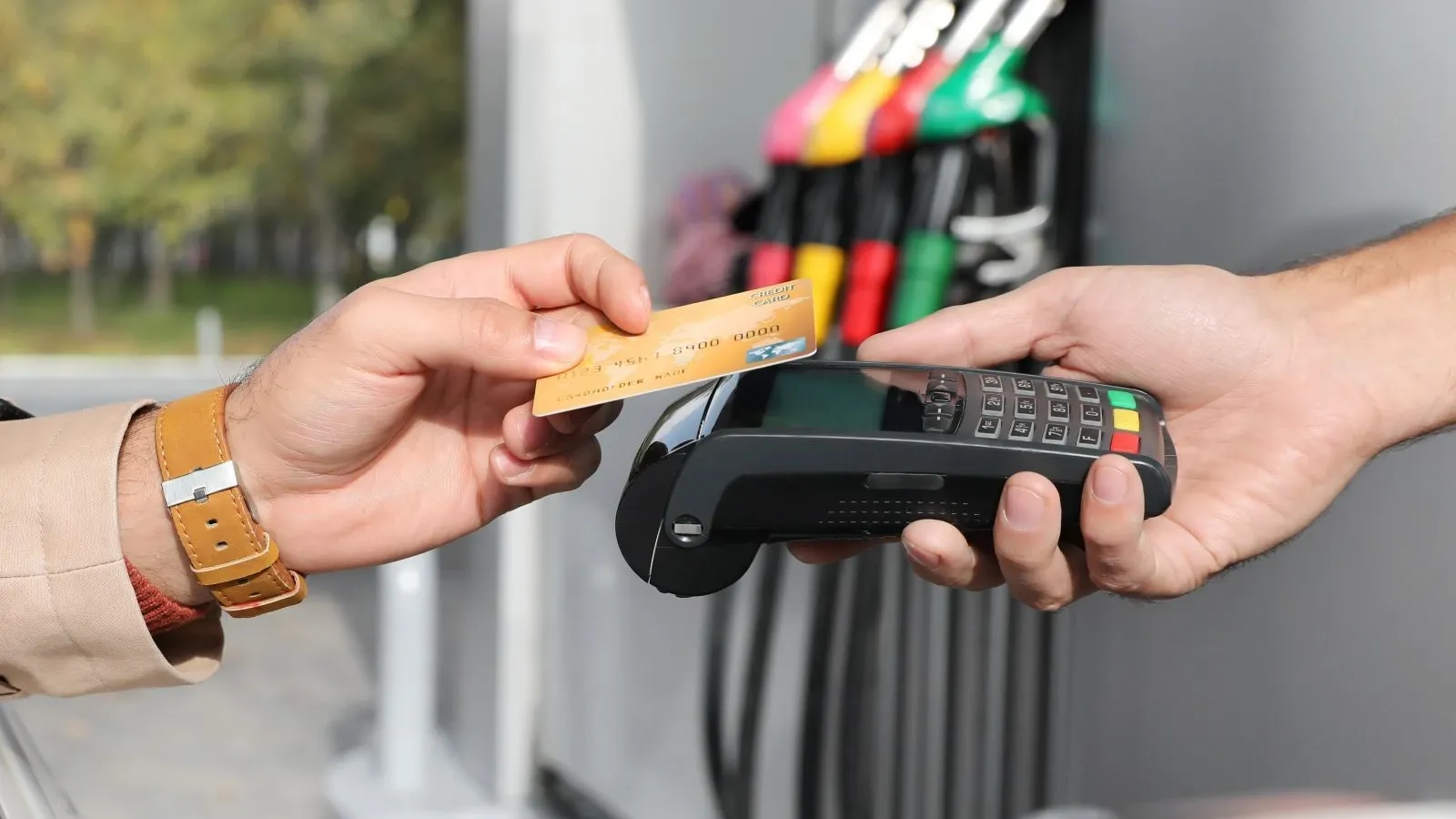
State-owned oil firms had kept fuel price unchanged for 11 weeks despite a surge in input cost. Image: Shutterstock
When last seen, IOC shares were down nearly 2% at ₹137.71 apiece on the NSE, while HPCL share price was down 2.4% at ₹368.50. BPCL share price was trading at ₹287.35, down 2.59%.
Why stocks are in the red?
The reason why OMC stocks continue to trade in the red, despite the fuel price hike, is that analysts believe the increase is lower than what the companies were expecting to fully offset their losses.
With crude oil prices remaining elevated, OMCs are still believed to be incurring significant daily under-recoveries on fuel sales. As a result, concerns over profitability and earnings pressure continue to weigh on the stocks.
Hike in petrol, diesel prices
On Friday, petrol and diesel prices were increased by ₹3 per litre after state-owned oil firms ended a four-year record hiatus in rate revision.
Prices have remained on freeze since April 2022, but had a one-off reduction of ₹2 a litre each on petrol and diesel in March 2024 just before the Lok Sabha elections.
State-owned IOC, BPCL, and HPCL had abandoned the daily price revision in April 2022 to insulate domestic consumers from a steep price increase that was warranted because of international oil prices shooting through the roof post Russia's invasion of Ukraine.
They incurred heavy losses in the first half of the 2022-23 fiscal year, which they recouped when rates fell in subsequent months.
But the war in West Asia has again sent international oil prices soaring by over 50%.
The basket of crude oil that India imports averaged $69 per barrel in February before the war in West Asia broke out. It averaged $113-$114 per barrel in subsequent months.
Impact on OMCs
The government’s move to increase petrol and diesel prices is broadly positive for OMCs, but negative for crude-sensitive sectors such as paints, tyres, aviation, chemicals, and logistics.
This is because if retail fuel prices are increased, OMCs get room to protect or improve their marketing margins. Better fuel margins improve profitability and cash flows.
Why is it important for OMCs?
The move is a significant positive step for OMCs, as earlier government had indicated that state-run fuel retailers are staring at first-quarter (Q1 FY27) losses large enough to wipe out profitability for the full fiscal year (FY26), as soaring crude prices and a government-led freeze on pump prices squeeze marketing margins.
Since the war broke out in the Middle East at the end of February, state-owned OMCs have ensured uninterrupted supplies of petrol, diesel, and cooking gas LPG at rates that are way below cost, unlike many global energy systems that imposed rationing or passed through steep price increases.
This has resulted in the three OMCs - IOC, BPCL, and HPCL - running record-high under-recoveries (the difference between cost and retail selling price), the source, who wished not to be named, said.
The combined under-recovery on petrol, diesel, and cooking gas LPG is ₹1,000 crore to ₹1,200 crore daily, as per the news reports.
What experts had said
Commenting on rising losses faced by oil marketing companies, Prashant Vashisht, Senior Vice President & Co-Group Head, Corporate Ratings, ICRA Ltd, said, "The oil marketing companies are incurring substantial losses on the sale of auto fuels and domestic LPG owing to high international crude oil and product prices.
"ICRA estimates that at crude prices of $120-₹125 per barrel, and considering the past 10-year average crack spreads for auto fuels, oil marketing companies incur losses of around ₹1,000 crore per day on the sale of auto fuels and domestic LPG. This level of losses is unsustainable and would need to be addressed if elevated crude oil and product prices persist over an extended period."
Related News
About The Author
Next Story