
Market News
India–UK trade deal could accelerate Tata Motors PV's luxury car ambitions; Here’s why

4 min read | Updated on July 13, 2026, 13:32 IST


SUMMARY
Tata Motors Passenger Vehicles, which owns Jaguar Land Rover (JLR) could be key beneficiary of the India-UK trade deal as import duties on UK-built cars will be reduced to 30% from 110% earlier.
Stock list
From July 15, 2026, import duty on UK-built cars will reduce from 110% to 30%.
India-UK trade deal will come into effect from July 15, 2026. Through this trade agreement, both countries aim to double bilateral trade to over $100 billion from $56 billion by 2030.
This landmark deal was announced in 2025 to lower tariffs and streamline customs duties on import-export trade between the two countries. India-UK trade deal will benefit Indian exporters as the deal gives duty-free access for 99% of Indian goods being exported to the UK, while India will do tariff reductions in phases on 90% of UK exports.
One of the key highlights of the India-UK trade deal is the customs duty reductions on UK-manufactured passenger vehicles. From July 15, 2026, eligible UK-built passenger vehicles can be imported under the Tariff Rate Quota (TRQ) at a lower duty than the normal import duty.
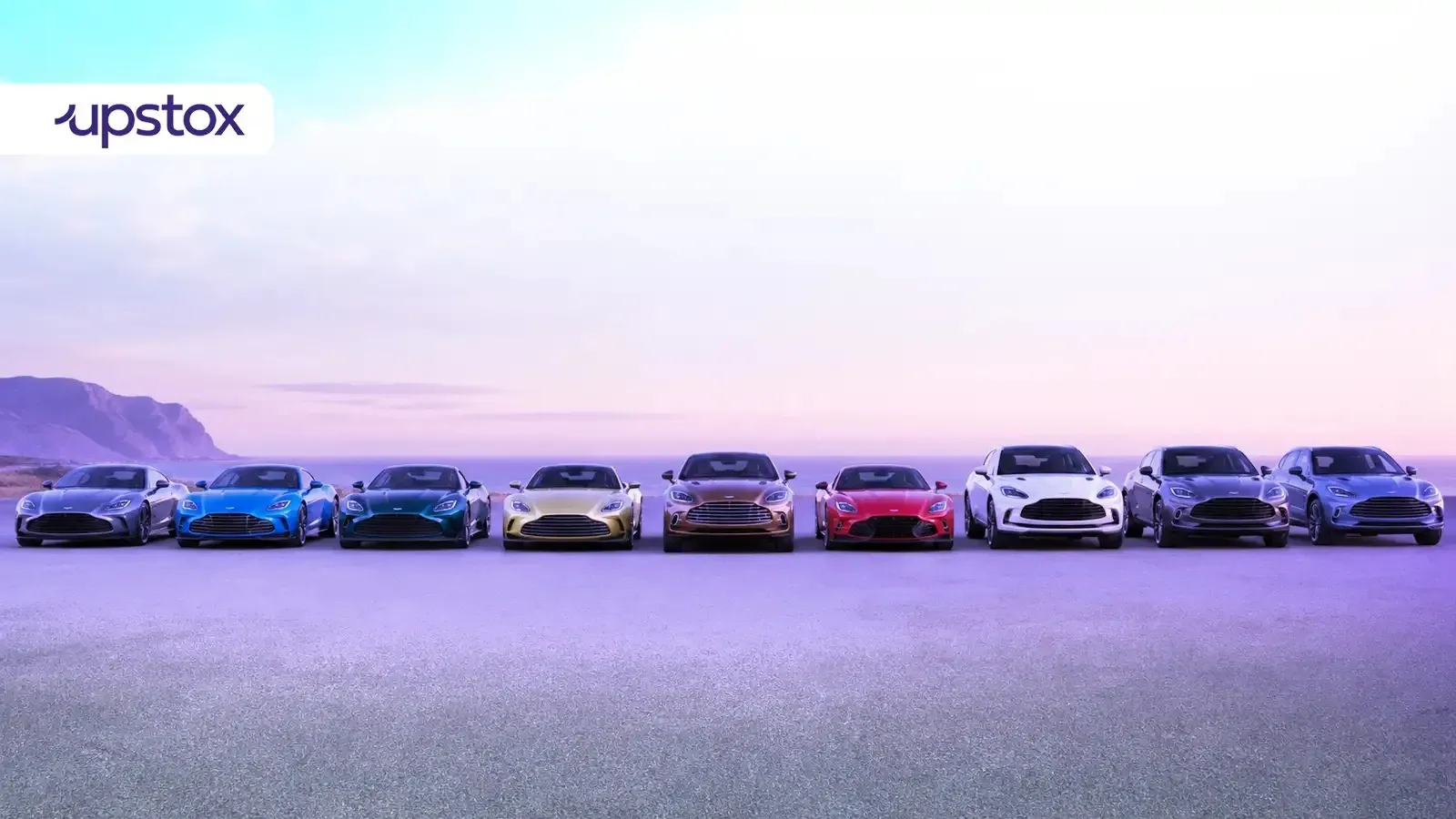
Some of the luxury high-end car brands like Rolls-Royce, McLaren, Bentley, Aston Martin, Range Rover, Discovery, and Defender will get cheaper in the Indian market by 20% to 30%
Before the India-UK trade deal, imported UK cars attracted import duties of around 110%, which will now fall to around 30% in year 1 and will be gradually reduced to 10% in year 5.
India-UK trade deal passenger car quota
| Year | Annual quota | Import duty* |
|---|---|---|
| Year 1 | 20,000 | 30% |
| Year 2 | 24,000 | 25% |
| Year 3 | 28,000 | 20% |
| Year 4 | 32,000 | 15% |
| Year 5 | 37,000 | 10% |
*Indicative import duty, as duties might vary based on engine size and vehicle type
As seen from the above table, the import duties will be reduced in phases from 30% to 10% over the next five years.
How will the India-UK trade deal benefit buyers?
Suppose you plan to buy a UK-built Range Rover, which costs around ₹2 crore before import duties. The same Range Rover price jumps to ₹4.2 crore before the India-UK trade deal because of high import duties of 110%.
But under the trade agreement, import duty will now be reduced to 30%, and the price of the Range Rover will be approximately ₹2.6 crore before GST, dealer margin, registration and other charges, leading to huge savings for the buyers.
Will the India-UK deal negatively impact the Indian auto industry?
The India-UK trade deal will not affect Indian automakers as the deal introduces a quota-based system wherein limited number of UK-built vehicles can be imported each year at significantly lower customs duties.
In the first year, around 20,000 cars will be allowed to be imported from the UK, which is less than 1% of total vehicle sales in India in FY26. For context, around 46.4 lakh passenger vehicles were sold in the domestic market in FY26, as per the SIAM report. Also, the price point of UK-based cars started at ₹1 crore, and hardly any Indian brand cars are at that price point. Hence, this deal is less likely to impact domestic automakers.
However, the deal could create intense competition in the high-end luxury car segment. UK-made cars could give tough competition in terms of price to European car makers like Mercedes-Benz, BMW Group, Audi, Ferrari, Lamborghini and others.
Tata Motors PV could be a key beneficiary
Indian automaker Tata Motors Passenger Vehicles could emerge as a key beneficiary of the India-UK trade deal, as the company owns Jaguar Land Rover (JLR), which makes iconic vehicles like Range Rover, Defender, Discovery, and Jaguar in the UK.
A fall in import duty after the India-UK trade deal will make the UK-built Range Rover much cheaper compared to Mercedes-Benz, BMW, Audi and other European brands, which currently attract customs duties of 70% to 110% on fully imported cars.
Tata Motors PV could dominate the luxury car market because of its price advantage, and as duties fall further to 10% in year 5. To tackle this, the European Union (EU) is also on the move and has announced the India-EU trade deal. However, the fine print of the deal is still to be announced, and implementation is likely to take place from next year only. Till then, it is a free run and an advantage to the Tata Motors PV in the luxury car segment.
About The Author
Next Story

