Market News
India’s EV market achieves key milestone as electric car sales cross 31,000 units in June 2026; Tata Motors PV leads

5 min read | Updated on July 03, 2026, 06:56 IST


SUMMARY
India’s electric vehicle sales have shown consistent growth in the last few months. In June 2026, total electric passenger vehicles (e-PV) sales stood at 31,265 units, crossing the 30,000 mark for the first time. Tata Motors PV, M&M and JSW MG Motor together account for 81% of the total electric PV market share.
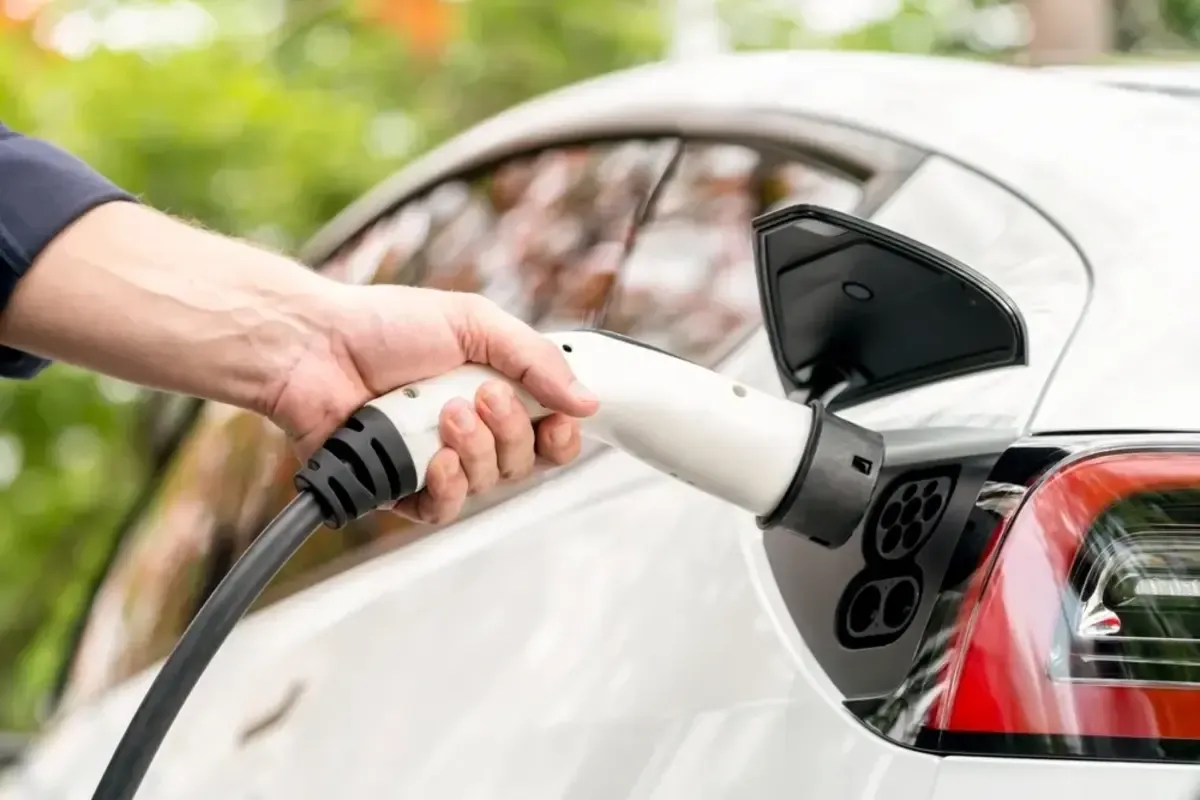
Tata Motors PV has launched a new electric SUV, Tata Sierra EV, to further improve its market share.
Tata Motors PV, Maruti Suzuki, M&M and other passenger vehicle (PV) makers released their June 2026 auto sales numbers this week. Most automakers saw robust growth on a yearly basis, aided by strong domestic demand.
India’s largest automaker by market share, Maruti Suzuki India, reported total sales of 2,00,390 units, a rise of 19.3% YoY compared to 1,67,993 units sold in June 2025. Meanwhile, SUV-maker M&M reported a 37% YoY increase in its total sales to 1,06,207 units, while in the utility vehicles segment, Mahindra sold 60,393 vehicles in the domestic market, a growth of 28% YoY. Tata Motors PV total sales stood at 63,083 units, up 69% YoY.
Indian auto industry set a new benchmark by selling over 30,000 electric passenger vehicles (e-PV) for the first time in June 2026. Total industry electric PV sales stood at 31,265 units, a rise of nearly 21% YoY and more than double compared to the same month last year.
The electric two-wheeler market also reported robust growth and achieved a key milestone. In the first quarter of FY27, electric vehicle registrations stood at around 5.23 lakh units, crossing the five lakh mark for the first time, as per the data from the VAHAN portal. In June 2026, around 1.93 lakh electric 2W units were sold, with leading companies like TVS Motors, Bajaj Auto and Ather Energy selling more than 31,000 vehicles each in the previous month.
Key factors why India’s EV sales is rising?
| Company | June 2026 registration | Market share |
|---|---|---|
| Tata Motors | 12,026 (124.5% YoY) | 38.5% |
| Mahindra & Mahindra | 7,647 (136% YoY) | 24.5% |
| JSW MG Motor | 5,789 (23.4%) | 18.5% |
| Maruti Suzuki | 1,896 (New launch) | 6.1% |
| VinFast Auto India | 1,394 (New entrant) | 4.5% |
Key insights
- Tata Motors PV, M&M and JSW MG Motor together control over 81% market share, indicating the industry's concentration as few EV players control significant market share.
- In June 2026, Tata Motors PV sold 12,026 units and accounted for 38.5% market share. The company sold more than 10,000 EVs for the second straight month, supported by a broader portfolio of EVs across different price points like Tiago EV, Punch EV, Nexon EV, Curvv EV and Harrier EV.
- Last month, Tata Motors PV also launched another new electric SUV, Tata Sierra EV, at a price of ₹18.79 lakh, which could further boost sales in the coming months.
- Mahindra & Mahindra continues to hold the No. 2 position in terms of June 2026 sales, with a 24.5% market share, reflecting strong demand for its new electric SUV lineup. The company registered sales of over 7,000 vehicles for the first time in June 2026, supported by its popular "Born Electric" models like the BE 6, XEV 9e, and XEV 9S.
- Third-ranked JSW MG Motor India sold 5,789 units last month. Windsor EV remains the company's best-selling electric vehicle.
- Maruti Suzuki's electric vehicle sales come from its first electric SUV, the e-Vitara, which was launched in February 2026.
- Vietnamese EV maker VinFast, which entered the Indian market last year, has continued to strengthen its presence in the passenger EV market through two mid-size electric SUVs, the VF6 and VF7.
Disclaimer:
The stock discussed in this article is only for educational purposes and not a buy or sell recommendation. Investors are advised to conduct their own analysis and risk due diligence before trading and investing in the stock market. Investments in the securities market are subject to market risk. Read all the related documents carefully before investing.
About The Author
Next Story