Market News
IndiGo, SpiceJet share price: Will new airfare rules hit airline profitability? What investors need to know

4 min read | Updated on November 02, 2026, 14:28 IST

SUMMARY
The new rules, effective from January 1, 2027, require airlines to publish their fares on websites and other digital platforms to ensure transparency and keep passengers informed.
Stock list
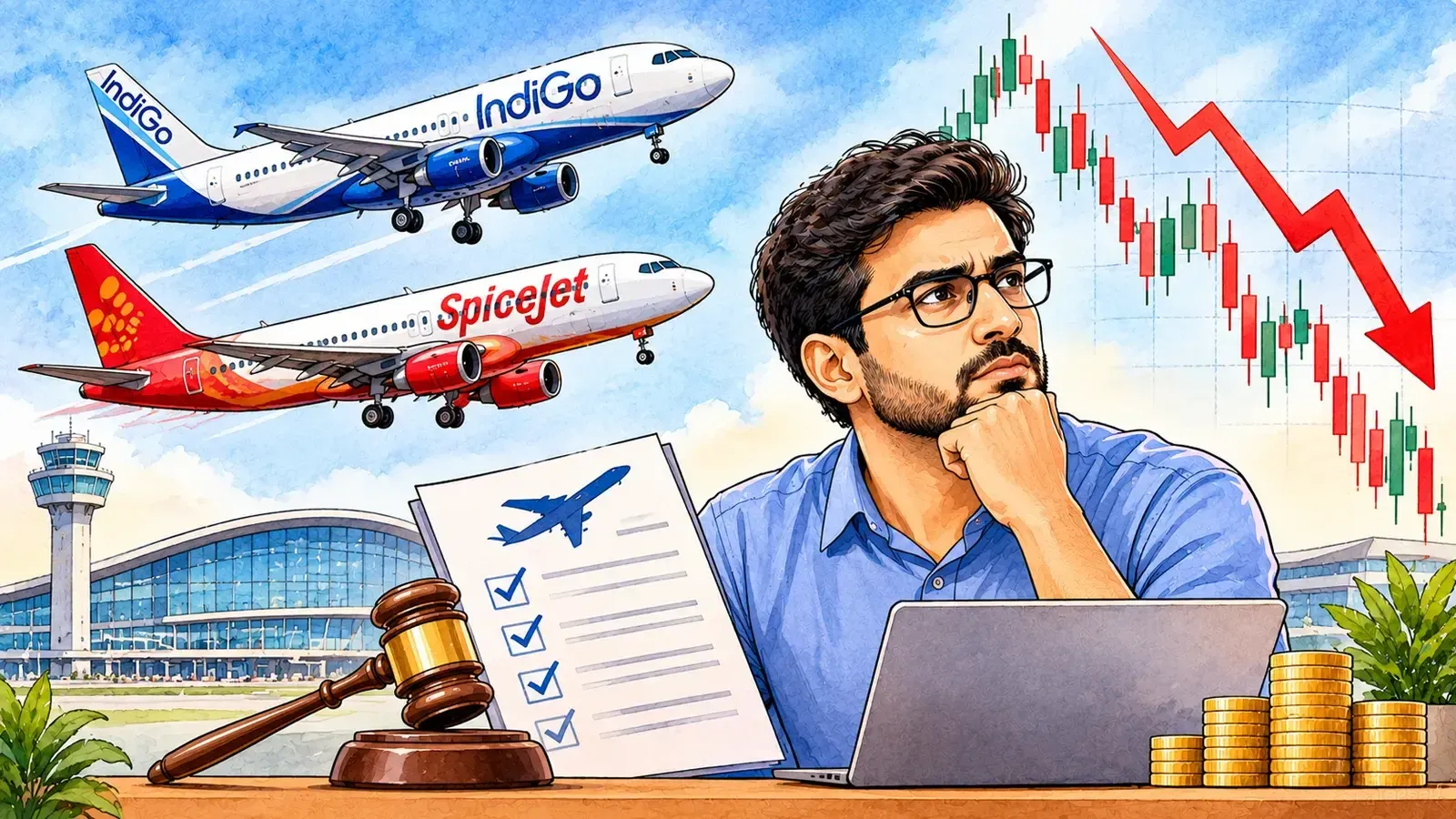
Airlines will also have to provide a separate breakdown of the base fare, taxes, fees, cancellation charges, refund conditions and other applicable charges. Image: Shutterstock
The central government has notified new rules for the aviation sector, allowing it to intervene in airline ticket prices in extraordinary situations and in the public interest, following concerns over high airfares in the backdrop of elevated crude oil and aviation turbine fuel (ATF) prices.
The Civil Aviation Ministry, under the Bharatiya Vayuyan Niyam, 2026, notified that the government can issue directions to airlines on fares if it considers intervention necessary in an extraordinary situation. The notification further added that such directions must be proportionate to the circumstances and remain in force only for the specified period.
However, the government did not introduce a fixed price ceiling or floor for airline tickets. Airlines can continue to determine fares based on market conditions, operating costs and other relevant factors, subject to government directions in extraordinary circumstances.
According to Rule 192, airlines operating scheduled air services will have to determine their fares based on factors including the cost of operations and submit the tariff details to the Directorate General of Civil Aviation (DGCA).
The new rules, effective from January 1, 2027, also require airlines to publish their fares on websites and other digital platforms to ensure transparency and keep passengers informed. The DGCA will monitor the tariffs set by scheduled airlines. he notification further strengthens transparency requirements in ticket pricing, making it mandatory for airlines to display the total amount payable by passengers during the booking process and on the ticket.
Airlines will also have to provide a separate breakdown of the base fare, taxes, fees, cancellation charges, refund conditions and other applicable charges. The rules, however, distinguish between taxes payable to the government and fees collected by airlines for services or facilities provided to passengers.
In this regard, while the rules could limit airlines’ flexibility to raise fares during extraordinary situations, passengers may benefit from greater price transparency and clarity on ticket charges.
In a note last month, Nomura analysts had said their base case was for greater oversight and transparency in airline fare pricing. They expected stronger disclosure requirements for airfares and ancillary charges rather than direct government intervention in ticket pricing.
Airline stocks in the spotlight
Shares of Indigo operator InterGlobe Aviation and SpiceJet are likely to attract investors’ attention following the notification.
The possibility of government intervention could restrict the airline’s ability to pass on higher fuel and operating expenses through ticket price increases. This situation will be relevant as elevated fuel costs have been a concern for the airlines this year.
The country’s largest passenger aircraft carrier, IndiGo, in the September quarter said its ATF (air turbine fuel) expenses for the quarter jumped 67% YoY to ₹9,967 crore for the quarter ended September 2026 vs. ₹5,961 crore for the quarter ended September 2025.
Aircraft fuel expenses eat up 42% of the revenue from operations during the quarter ended September 2026, as compared to 32% in the quarter ended September 2025.
On Monday, IndiGo shares jumped 2% to touch an intraday high of ₹4,979 apiece, while SpiceJet shares also hit a day’s high of ₹7.68 apiece, gaining 2.5%. Both IndiGo and SpiceJet have a market capitalisation of ₹1.90 lakh crore and ₹1,167.47 crore, respectively.
Related News

About The Author
Next Story