Market News
Crude oil eases from 6-month highs: IOC, BPCL, HPCL and other stocks in focus; impact explained

5 min read | Updated on November 02, 2026, 08:48 IST

SUMMARY
Oil prices fell more than 1% on Monday after Iranian and Qatari officials held a third consecutive day of talks aimed at reaching a deal to end the US-Israeli war on Iran.
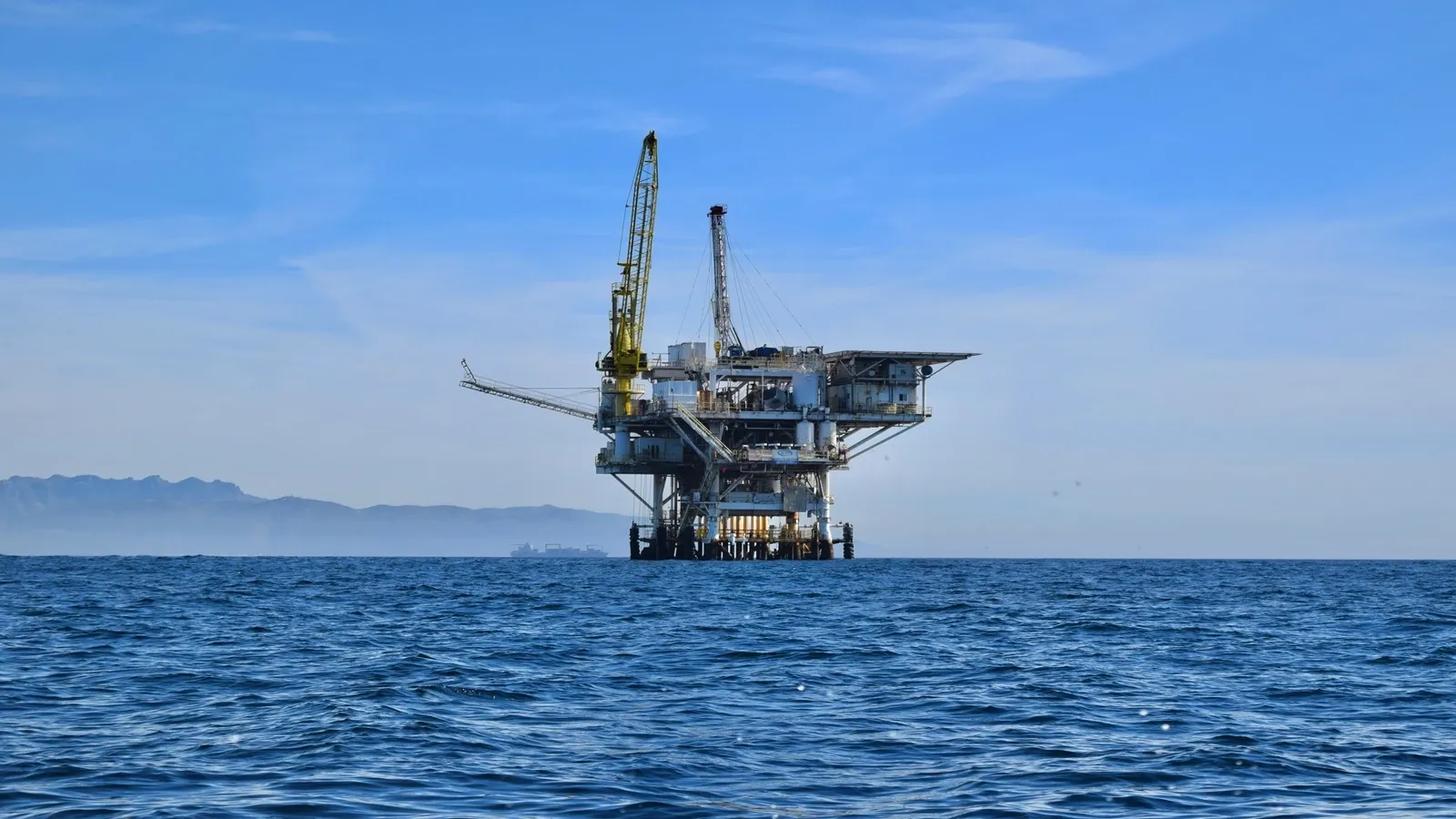
Brent crude ended October at its highest level in six months. Image: Unsplash (Representative image)
Oil-linked stocks, including Indian Oil Corporation (IOC), Bharat Petroleum Corporation (BPCL) and Hindustan Petroleum Corporation (HPCL), are likely to be in focus on Monday, November 2, as crude oil prices eased after surging to six-month highs last week.
Oil prices fell more than 1% on Monday after Iranian and Qatari officials held a third consecutive day of talks aimed at reaching a deal to end the US-Israeli war on Iran.
Brent crude futures fell $1.59, or 1.40%, to $111.84 a barrel in early trade, while US West Texas Intermediate (WTI) crude declined $1.56, or 1.50%, to $102.56 a barrel.
Brent crude ended October at its highest level in six months, amid concerns that the US-Iran conflict could escalate again after Tuesday’s US midterm elections.
Oil marketing companies (OMCs): IOC, BPCL, HPCL
Lower crude oil prices can ease the cost of raw material for oil marketing companies (OMCs) such as Indian Oil Corporation (IOC), Bharat Petroleum Corporation (BPCL) and Hindustan Petroleum Corporation (HPCL).
This can support marketing margins on petrol and diesel, provided retail fuel prices remain unchanged.
However, the benefit depends on inventory gains or losses, refining margins and the extent to which lower crude prices are passed on to consumers. A sharp decline can also lead to inventory losses on existing crude and fuel stocks.
Besides this, OMCs will also be in focus following September quarter numbers.
India’s three state-run fuel retailers earned a combined standalone net profit of ₹30,106 crore in the July-September quarter, nearly 39% of their annual earnings, after a refining margin boost and inventory gains helped more than offset losses on fuel sales and a mounting unpaid LPG subsidy bill.
The combined profit of IOC, BPCL and HPCL is 68.3% more than their earnings in the same period last year and a swing from a combined loss of about ₹18,150 crore in the previous April-June quarter, according to company filings.
The July-September quarter alone equals about 39% of the three companies’combined FY26 (April 2025 to March 2026 financial year) profit of ₹77,281 crore.
Reliance Industries (RIL)
Analysts explain that lower crude oil prices can influence Reliance Industries' refining and petrochemical businesses in different ways. While cheaper crude can reduce feedstock costs for its oil-to-chemicals (O2C) business, the impact on profitability depends on refining margins, product demand and inventory valuation.
A decline in crude prices can also weigh on the value of existing inventories. For RIL, the movement in gross refining margins (GRMs) and petrochemical spreads remains crucial.
Upstream oil and gas companies: ONGC, Oil India
Upstream companies such as Oil and Natural Gas Corporation (ONGC) and Oil India Ltd (OIL) are generally more sensitive to crude oil price movements. Higher crude prices can improve realisations from oil production and support revenue and profitability.
Conversely, a sustained decline in crude prices can reduce their earnings potential. However, the impact also depends on domestic gas prices, production volumes and the government’s pricing policies.
Paint companies: Asian Paints, Berger Paints, Kansai Nerolac
Crude oil is a key input for the paint industry, as several raw materials, including solvents, resins and additives, are derived from petroleum. A decline in crude oil prices can ease input costs and support margins, provided companies do not face offsetting cost pressures.
Tyre companies: MRF, Apollo Tyres, CEAT
Tyre manufacturers use crude-linked derivatives such as synthetic rubber, carbon black and other petroleum-based inputs. Lower crude oil prices can moderate raw material costs and support operating margins.
However, the overall impact depends on the movement in natural rubber prices, which are influenced by separate supply-demand dynamics, along with the extent of price competition in the tyre industry.
Aviation companies: IndiGo, SpiceJet
Aviation companies are among the key beneficiaries of lower crude oil prices, as aviation turbine fuel (ATF) accounts for a significant portion of their operating expenses.
A decline in crude prices can ease fuel costs and improve profitability, provided passenger yields and demand remain supportive. However, the benefit may be partly offset by currency depreciation, as airlines also incur dollar-denominated expenses such as aircraft lease rentals and maintenance costs.
Oil-dependent chemical companies
Lower crude oil prices can reduce feedstock costs for petrochemical and chemical manufacturers that rely on petroleum-based raw materials. This can support margins if selling prices remain relatively stable.
However, companies may face inventory losses if crude prices decline sharply, while the impact on profitability also depends on product spreads and demand conditions.
Logistics and transportation companies
Lower crude oil prices can reduce fuel expenses for road transportation, logistics and freight operators. This can support operating margins, particularly for companies with high diesel-related costs.
However, the extent of the benefit depends on fuel price transmission, contractual arrangements and the competitive environment.
Consumer-facing companies
A sustained decline in crude oil prices can moderate packaging, transportation and other input costs for consumer goods companies. This may support margins for FMCG players, particularly those using petroleum-based packaging materials.
Related News


About The Author
Next Story