
Business News
ICRA retains negative outlook on aviation sector, international air traffic to fall 3-6% in FY27

3 min read | Updated on October 29, 2026, 13:09 IST

SUMMARY
Domestic air passenger traffic fell 6.5% year-on-year to 118.2 lakh in September, while international traffic for Indian airlines dropped 19.3% in the first half of FY2027.
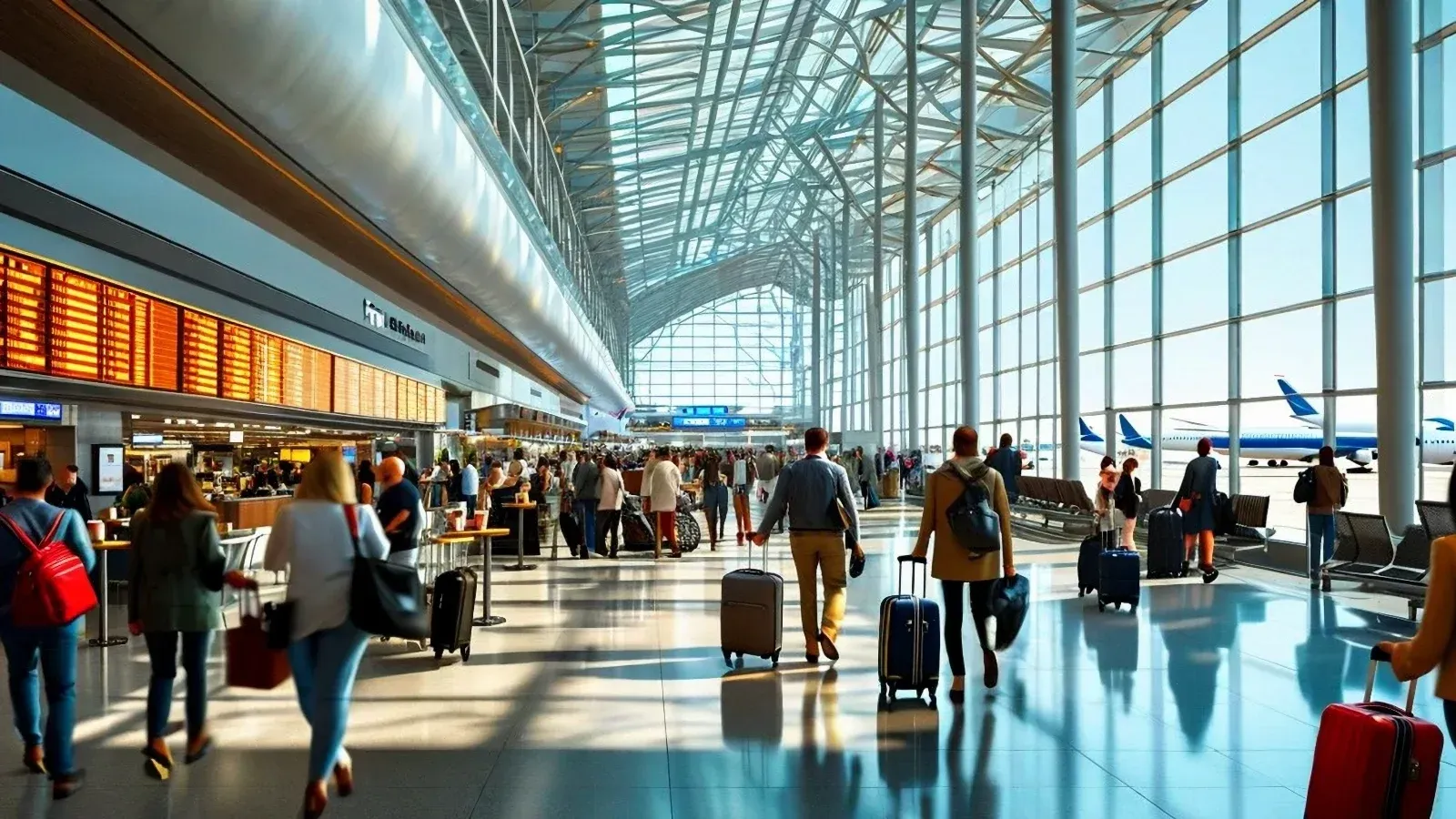
The aviation industry is expected to lose up to ₹38,000 crore in the financial year ending March 2027.
Domestic air passenger traffic is projected to grow 3-6% in the current financial year, while international passenger traffic for Indian carriers is expected to decline by 3-6% amid disruptions caused by the West Asia conflict, according to ratings agency ICRA.
The aviation industry is expected to lose up to ₹38,000 crore in the financial year ending March 2027, the agency said.
Higher fuel prices, a weaker rupee and disruptions caused by the conflict in West Asia are putting pressure on airlines.
ICRA has maintained a negative outlook for the sector, warning that a prolonged conflict could further hurt passenger numbers and airline profits.
Domestic air passenger traffic declined 6.5% year-on-year to 118.2 lakh in September, compared with 126.4 lakh in the same month last year.
Passenger numbers also fell by 2.5% compared with August.
The decline came as airlines reduced the number of flights and higher fares made air travel more expensive.
In the first half of FY27, domestic passenger traffic fell by 1.9% to 78.61 million.
International traffic for Indian airlines was hit harder as passenger numbers fell by 19.3% in the same period, primarily due to disruptions arising from the West Asia conflict, including airspace restrictions and network disruptions.
Fuel costs weigh on airlines
ATF prices for domestic operations rose 46.2% year-on-year in October and 13.2% from September.
During the first half of FY27, ATF prices were up 24.1% year-on-year.
Fuel is one of the biggest expenses for airlines, accounting for 30-40% of their operating costs.
Many other expenses, including aircraft leases and maintenance, are linked to the US dollar.
The combination of higher fuel prices and a weaker rupee has raised operating costs, while airlines may have limited scope to pass on the entire increase through higher fares without affecting demand.
IndiGo revised fuel surcharges on domestic and international bookings from October 6, while Air India, Air India Express and Akasa Air introduced or revised surcharges for new bookings from October 9.
The surcharges range from ₹375 to ₹1,200 per ticket on domestic routes, depending on distance and route.
The industry also continues to face supply-chain challenges related to Pratt & Whitney engine issues.
Around 19-20% of the industry's total fleet was grounded as of August 2026 following aircraft availability problems and capacity cuts linked to the West Asia conflict.
“The aircraft-on-ground situation has caused growing operating expenses owing to the cost of grounding, higher lease rentals on account of additional aircraft taken on lease (primarily wet leases) to offset the grounded capacity, rising lease rates and lower fuel efficiency (due to replacement by older aircraft taken on spot lease),” the agency noted.
ICRA said the outlook for the industry would depend on passenger demand during the festive season, fuel prices and developments in West Asia.
“Any prolonged continuation or further escalation of the West Asia conflict could pose downside risks to traffic growth, yields and profitability, amid elevated fuel prices, ongoing airspace restrictions and inflationary pressures,” it added.
About The Author
Next Story

