Market News
SpiceJet tanks 10%, IndiGo shares fall over 4% amid geopolitical tensions; check latest updates

4 min read | Updated on March 23, 2026, 10:43 IST


SUMMARY
IndiGo share price: Airfare caps are government-imposed limits on ticket prices that airlines can charge for specific routes, usually set as a minimum and maximum fare band.
Stock list
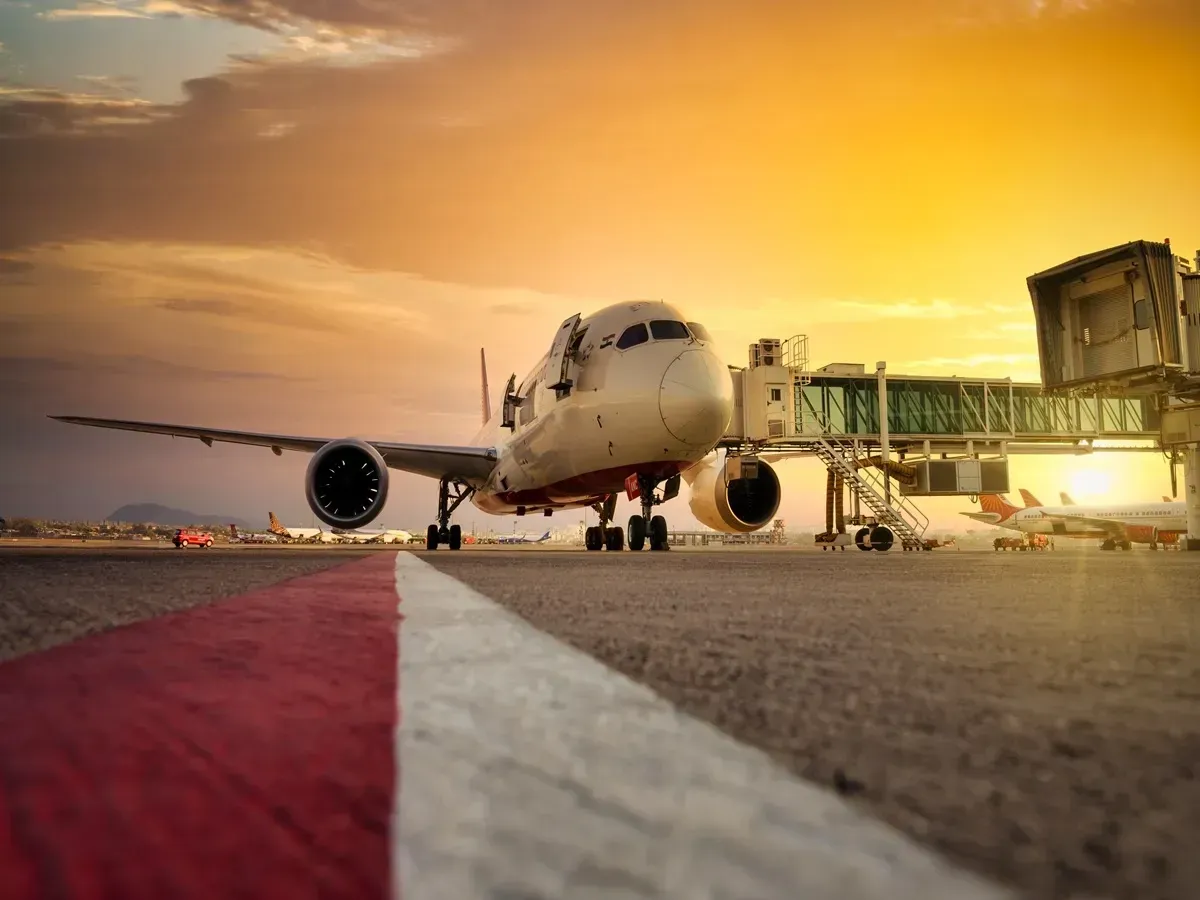
The removal also comes at a time when airlines are facing significant operational disruptions in international routes due to the West Asia conflict. | Image: Shutterstock
SpiceJet shares slipped as much as 9.95% to hit a low of ₹10.85 apiece on the BSE, while IndiGo declined 4.59% to ₹3,958.50 on the NSE.
On Friday, the government announced the removal of temporary caps on domestic airfares that were imposed in the wake of the IndiGo flight disruptions in December last year.
Airfare caps are government-imposed limits on ticket prices that airlines can charge for specific routes, usually set as a minimum and maximum fare band.
The airfare caps' removal will be effective from March 23, according to an order issued by the civil aviation ministry.
The removal also comes at a time when airlines are facing significant operational disruptions in international routes due to the West Asia conflict.
In the order, the ministry also said that airlines are required to exercise pricing discipline and act responsibly.
"Airlines shall ensure that fares remain reasonable, transparent and commensurate with market conditions, and that passenger interests are not adversely impacted," it said.
The ministry also stressed that any instance of excessive or unjustified surge in fares, if observed particularly during periods of peak demand, disruptions, or exigencies, would be viewed seriously.
On a real-time basis, the ministry is monitoring the airfare trends.
According to the order, the temporary caps on domestic airfares were imposed on December 6 to contain an abnormal surge in ticket prices arising out of large-scale flight disruptions of IndiGo.
"... The prevailing situation has since stabilised, with restoration of capacity and normalisation of operations across the sector. Upon review, it has been decided that the fare cap imposed vide the aforesaid letter shall stand withdrawn with effect from 23rd March, 2026," the order said.
Airlines face challenges
From sudden airspace curbs to elevated fuel prices to high insurance premiums, airlines are grappling with rising complexities in West Asia operations, which are already curtailed amid the escalating conflict in the region.
Airline officials and crew members said the situation is very dynamic and there are a lot of variables while operating flights to the West Asia region.
Last week, aviation watchdog DGCA asked airlines to avoid nine airspaces in the region and ensure robust contingency plans as part of safety risk assessments.
The Directorate General of Civil Aviation (DGCA) has asked airlines to avoid the airspaces of Bahrain, Iran, Iraq, Israel, Jordan, Kuwait, Lebanon, Qatar, and the United Arab Emirates (UAE), according to an advisory, which will be valid till March 28.
Indian airlines can operate flights over Oman and Saudi Arabia airspaces, subject to certain conditions, the regulator said. The carriers cannot operate below FL 320 or 32,000 feet within the airspaces of Saudi Arabia and Oman, located south of the segments, subject to certain conditions.
About the nine airspaces, the DGCA asked airlines to "refrain from operating within the affected airspace...at all flight levels and altitudes".
Any continued operations would be at the discretion of the operator based on their safety risk assessment, it added.
"Operations to airports in the affected region, where other international carriers are currently operating, must involve robust contingency planning to cover all eventualities as part of the safety risk assessments by the operators," DGCA said.
Since the conflict, involving the US, Israel, and Iran, started on February 28, there have been multiple airspace closures and restrictions.
Related News

About The Author
Next Story