
Market News
From FMCG to two-wheelers: Sectors that could feel the heat of a weak monsoon
.jpeg)
4 min read | Updated on June 17, 2026, 15:21 IST


SUMMARY
Reports of delay in monsoon rains and expectations of El Nino in the current year has led to the Reserve Bank of India paring its growth forecast while raising its inflation estimate.
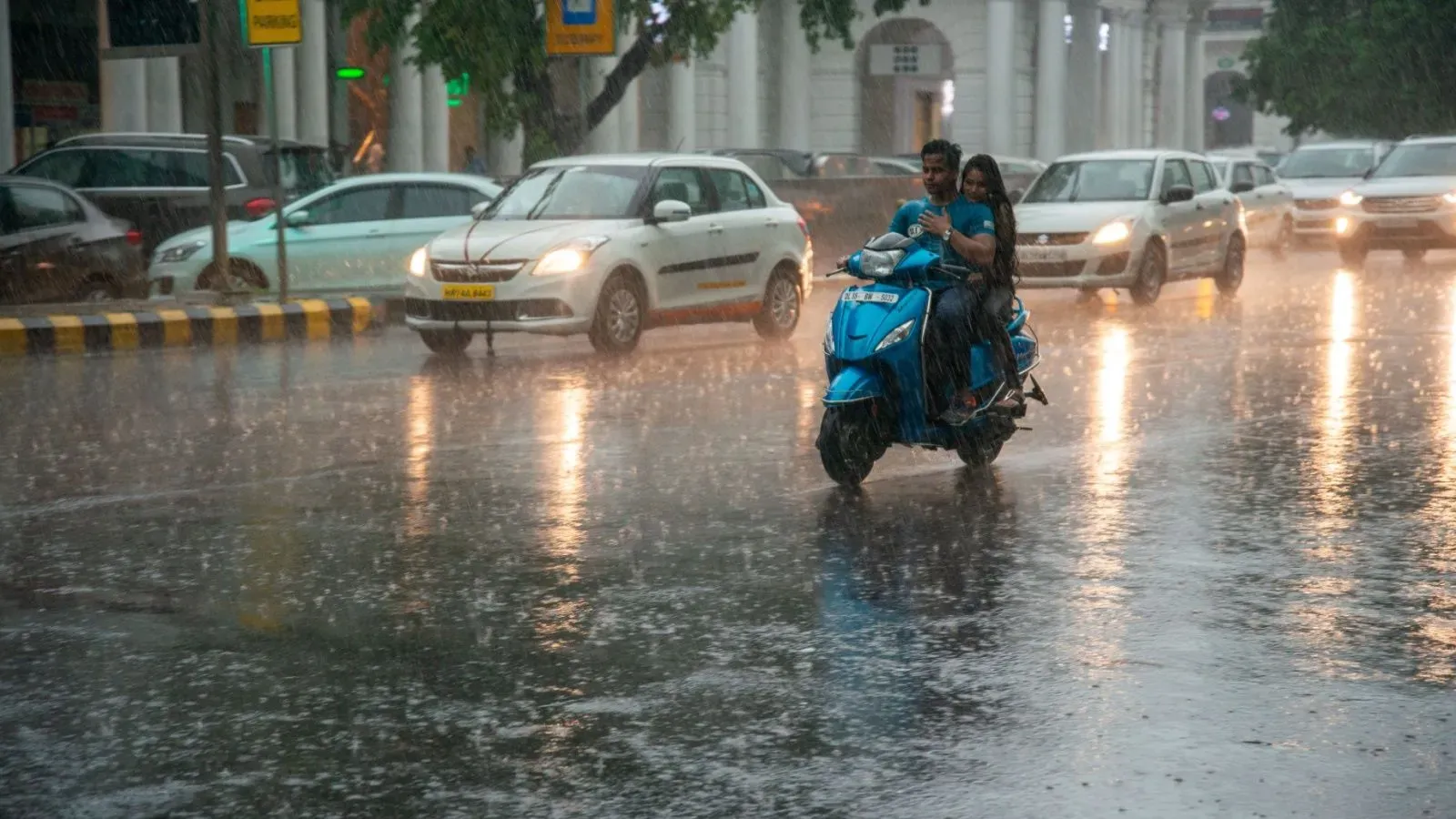
Two-wheeler companies could face adverse impact of delayed monsoons as roughly two-fifths of motorcycle demand comes from rural areas. | Image: Shutterstock
India is heavily dependent on monsoon rains for a pick-up in the economic activity. Around 40-50% of India's sowing area is not irrigated and relies largely on monsoon rains.
The monsoon, which typically arrives in June and lasts until September, provides about 70–75% of India's annual rainfall. Agriculture contributes roughly 15–17% towards India's gross domestic product (GDP) and employs about 42–45% of the workforce.
Reports of delay in monsoon rains and expectations of El Nino in the current year has led to the Reserve Bank of India paring its growth forecast while raising its inflation estimate for the year, citing the monsoon as among the key risks.
This year the meteorological department is forecasting the lowest level of rainfall since 2015, with rains already delayed in central and northern regions.
The IMD has now revised the monsoon onset over Mumbai by nearly two weeks than the city's normal arrival date of June 11.
Private weather forecaster Skymet has indicated that the delay could stretch even further if current atmospheric conditions persist, media reports suggested.
Meanwhile, with the new El Nino phase officially begun, the Food and Agriculture Organization (FAO) has warned that it may weaken India's summer monsoon, putting rainfed crops, including rice and maize, under stress during the critical kharif season.
The UN body said the weather phenomenon raises risks for agriculture-dependent livelihoods and food security in regions already in crisis.
Here are sectors which are worst and least affected from monsoon rains:
According to a report by SEBI registered research firm Front Wave Research 16% of the economy is agriculture, 46% of all jobs are in the rural sector and 70% of the year's rain is dependent on monsoons and a weak monsoon could adversely affect earnings of tractors and farm equipment companies, two-wheeler companies, rural lenders and FMCG companies.
Two-wheeler companies
Two-wheeler companies could face adverse impact of delayed monsoons as roughly two-fifths of motorcycle demand comes from rural areas, and upgrades slip the moment incomes slip, Front Wave Research noted.
Rural staples and FMCG companies
Rural staples & value retail companies like Hindustan Unilever, Dabur, Marico and Emami could get affected because villages are close to half of everyday-goods volume, so the most rural-skewed names feel the pinch of weak monsoons.
Rural lenders
Rural lenders could also face the adverse impact of weak monsoon as repayment tracks the harvest and bad-loan stress shows up a few quarters later.
Agri-input shares
The Mumbai-based research company identified agri-input and sugar companies to face a two-way impact of delayed monsoons. It says that for agri-input companies stocking ahead of crop season lifts these companies but lead to adverse earnings impact if rain fails.
For sugar related names cane is high water guzzling crop and weak rains could impact their earnings going ahead.
Front Wave Research added that urban, private banking and export-oriented companies are insulated from monsoon rains and a weak rupee can even help export oriented names.
“A weak forecast is not the same as a failed season. If the rain that does fall lands at the right time for sowing and grain-filling, much of this pain is muted. Timing and spread can matter more than the seasonal total, which is exactly why these stocks move on the monthly data, not the April forecast,” Front Wave Research added.
A delayed or deficient monsoon can have a significant impact on the Indian economy, as a large portion of the country's economic activity is still directly or indirectly dependent on rainfall, noted Krishna Patwari, founder & managing director of WWIPL.
"While certain sectors such as IT, private banks, and capital market businesses may remain relatively insulated in the short term, a weak monsoon can reduce rural incomes, lower consumption demand, and adversely affect overall economic growth," Patwari said.
"If rainfall deficiency becomes severe, particularly exceeding 25%, it could lead to weaker corporate earnings across multiple sectors. Lower agricultural output and reduced rural spending may dampen demand throughout the economy, creating negative sentiment in equity markets. In such a scenario, a broad market correction of 15–20% cannot be ruled out," he added.
Related News


About The Author
Next Story

