Market News
Bajaj Auto buyback: Know about acceptance ratio, return and retail quota ahead of June 24 record date

5 min read | Updated on June 23, 2026, 10:39 IST


SUMMARY
Bajaj Auto buyback worth ₹5,632.8 crore at ₹12,000 per share is nearing its record date of June 24. The company has set aside 15% of the issue for retail shareholders. Know about the Bajaj Auto buyback acceptance ratio and returns under retail category.
Stock list
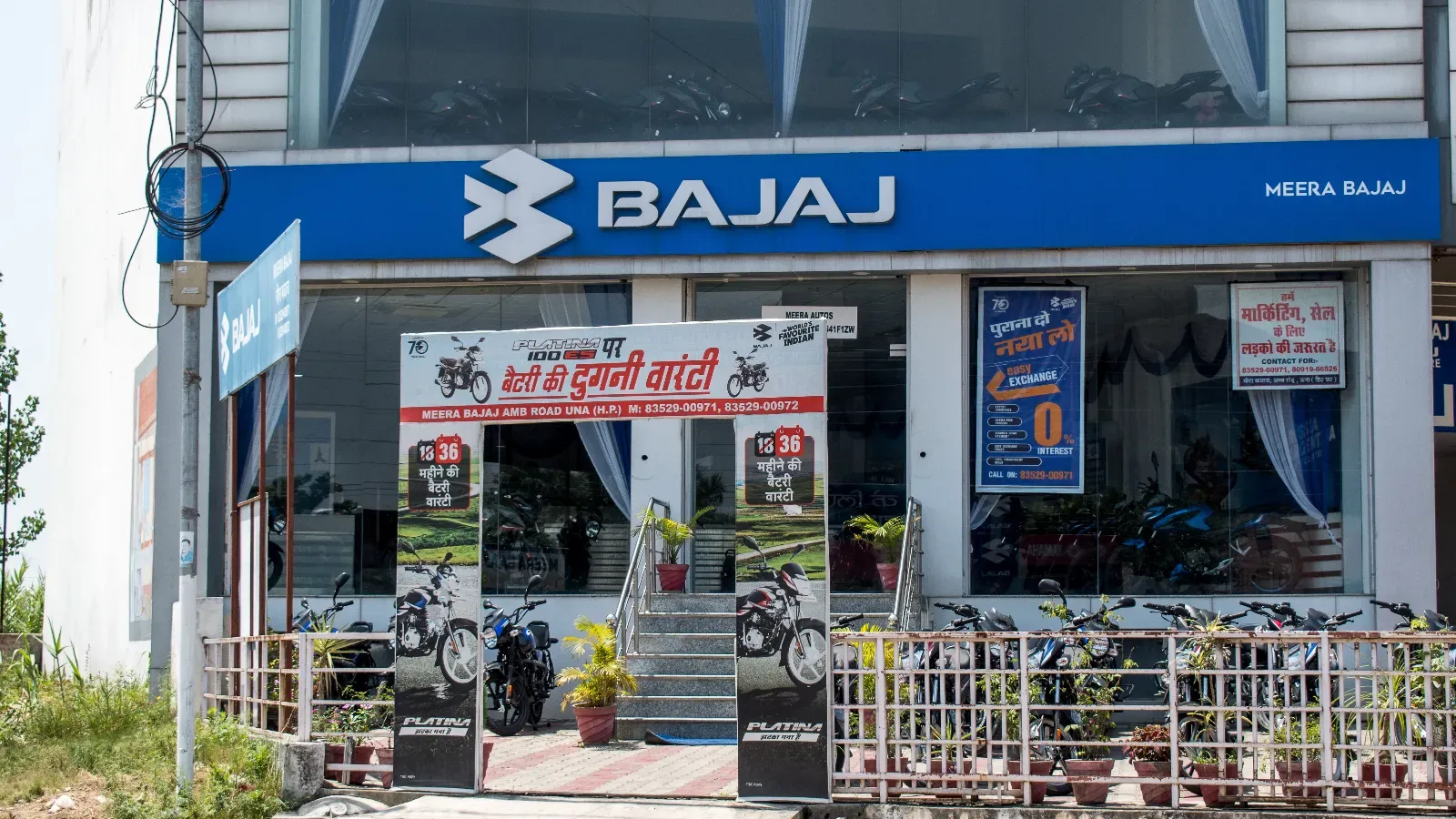
Total return on Bajaj Auto buyback depend on acceptance ratio and post-buyback performance of stock.
Bajaj Auto has set June 24, 2026 as record date to determine eligible shareholders for its share buyback. The automaker announced its largest ever share buyback worth ₹5,632.8 crore in May 2026 along with its March quarter earnings.
In FY26, Bajaj Auto reported consolidated net profit of ₹10,744 crore, a rise of 47% YoY, while its revenue from operations rose 23% YoY to ₹62,905 crore aided by robust sales growth especially in the export market.
Bajaj Auto plans to buy back shares worth ₹5,632.8 crore through the tender offer route. The company will buyback around 46.94 lakh equity shares, representing 1.68% of the company's paid-up equity capital, at a price of ₹12,000 per share, offering a substantial premium of 19% compared to the prevailing market price.
Investors are looking forward to a strong return in Bajaj Auto buyback. However, investors should be aware about the entitlement ratio, acceptance ratio and previous buyback trends.
Bajaj Auto buyback details at a glance
| Buyback details | Description |
|---|---|
| Bajaj Auto buyback size | ₹5,632.80 crore |
| Bajaj Auto buyback price | ₹12,000 per share |
| Record date | June 24, 2026 |
| Bajaj Auto closing (19 June 2026) | ₹10,080 per share |
| Premium offered | 19% as on 19 June closing |
| Number of buyback shares | 46.94 lakh |
| Shares reserved for retail investors | 15% of total buyback (7.04 lakh shares) |
| Value of retail reserved quota | ₹845 crore |
| Acceptance ratio | 10% to 25% |
Bajaj Auto acceptance ratio in 2024 buyback?
In 2024, Bajaj Auto's buyback base entitlement ratio for the retail category was set at 25.9% (7 out of 27 shares), while the final absolute acceptance ratio ended up landing at ~26%.
| Particulars | 2024 buyback |
|---|---|
| Total Size | ₹4,000 crore |
| Buyback Price | ₹10,000 per share |
| Retail category entitlement ratio | 7 for every 27 shares held |
| Final acceptance ratio | 25% to 30% |
Ahead of 2026 buyback record date, investors should first look forward to the entitlement ratio, which shows how many shares an eligible shareholder can tender based on their holding. The final acceptance will depend on overall shareholder participation. If there is heavy participation from shareholders, especially from promoters, then acceptance may be affected.
As per SEBI rules, 15% of the total offer size must be reserved for retail shareholders, equivalent to 7.04 lakh shares or ₹845 crore. The retail category is determined based on the current market value of Bajaj Auto shares. If the total holding value of Bajaj Auto shares is up to ₹2 lakh, then it's considered retail shareholding.
To be eligible for buyback under retail category, investor can hold a maximum of 16 shares (16*12,000 = ₹1.92 lakh) based on the buyback price of ₹12,000 per share.
Going by the past buyback history, the retail category typically has a higher acceptance ratio compared with the general category, especially when participation from larger investors is heavy.
Expected return based on acceptance ratio
Difference between the buyback price and Bajaj Auto share price is: ₹12,000 – ₹10,080 = ₹1,924 per share (as on Friday, June 19 closing).
| Acceptance ratio | Shares accepted | Return* |
|---|---|---|
| 10% | 2 out of 16 shares | ₹3,840 |
| 20% | 4 out of 16 shares | ₹7,680 |
| 30% | 5 out of 16 shares | ₹9,600 |
| 40% | 7 out of 16 shares | ₹13,440 |
Due to SEBI's rounding rules where a fraction cannot be completely ignored for small investors. Hence, the company rounds down fractional acceptances to the nearest whole number. As a result, shareholders who held exactly 1 share could experience a near 100% acceptance ratio.
As seen from the above table, retail shareholder return varies based on the acceptance ratio. Higher the acceptance ratio is the return but not all shares will be accepted by the company. Hence, total return will also depend on the post-buyback performance of the remaining shares.
Conclusion
Bajaj Auto buyback 2026 offers shareholders an opportunity to tender shares at ₹12,000 per share, representing a premium of 19% compared to current market prices. However, these returns are highly dependent on acceptance ratio and also on post-buyback performance of the remaining shares. Investors should also check market conditions and taxation implications before participating in this buyback.
Disclaimer:
The stock discussed in this article is only for educational purposes and not a buy or sell recommendation. Investors are advised to conduct their own analysis and risk due diligence before trading and investing in the stock market. Investments in the securities market are subject to market risk. Read all the related documents carefully before investing.
About The Author
Next Story