Market News
Bond market feels RBI’s hawkish turn: Yields hit 52-week high of 7.25%; will higher yields stick around?

4 min read | Updated on October 07, 2026, 13:36 IST


SUMMARY
The 10-year bond yields surged to hit a 52-week high level of 7.25% as the RBI shifted its stance towards tightening amid its rate hike strategy to counter inflation risks in the economy.

The benchmark 10-year bond yields surged to hit a 52-week high of 7.25% on Wednesday, October 7. | Image: Shutterstock
The benchmark 10-year government bond yields surged more than 5 basis points (bps) to hit a year-high level of 7.25% during the trading session on Wednesday, October 7, as investors focused on the Reserve Bank of India’s (RBI) shift towards a hawkish stance with its latest interest rate hike move.
Investing.com data showed that India 10-year bond yields surged over 5 basis points to hit an intraday and 52-week high of 7.25% during Wednesday’s session, in comparison to 7.19% at the previous bond market close.
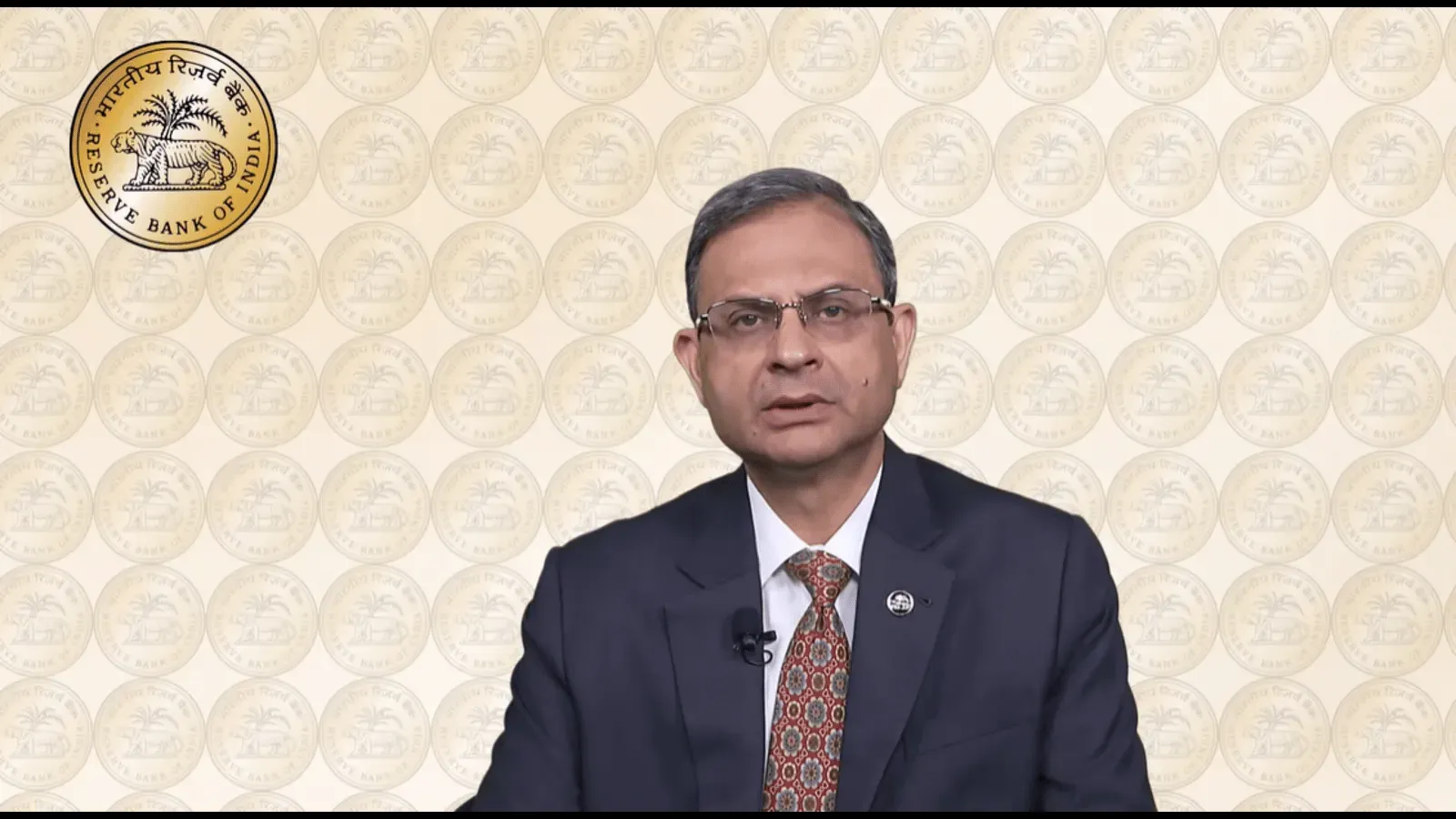
This comes after the Reserve Bank of India (RBI) in the October policy meeting unanimously decided to raise the key benchmark interest rates by 25 basis points (bps) to 5.50%, from earlier 5.25% levels.
The central bank also changed its stance to ‘calibrated tightening’ from an earlier ‘neutral’ stance as it aims to counter price pressure and increasing inflation in the Indian economy.
Looking ahead, experts from the Weath Company Mutual Fund said the rate hike was expected, but the stance change was a mild surprise on October 7.
“We expect 2-3 more hikes in this cycle, as inflation is above target and gold yields keep rising,” said Umesh Sharma, the CIO of Debt at the Weath Company Mutual Fund after the policy outcome.
The surge in bond yields comes against the backdrop of the recent multi-year high and elevated US Treasury yields near 5.30% levels on October 7.
Global market investors have discounted the possibility of another rate hike from the US Fed later this month as people wait for the central bank’s minutes of the meeting release.
Will higher yields stick around?
Vinay Pai, MD and Head of Fixed Income at Equirus Group, said that the Reserve Bank of India is expected to maintain its cautious tightening bias as there will be further scope for rate hikes if inflation remains persistent in the Indian economy.
The expert also said that the longer period of inflation and higher yields are expected to remain for some time.
With expectations of inflation ranging above the comfort zone, elevated crude oil prices, currency rate pressure and commodity market volatility could create a challenging environment for the bond market.
“This creates a challenging environment for the bond market, as sticky inflation and expectations of further rate hikes could push yields higher, particularly at the short end,” said Vinay Pai after the RBI policy outcome.
What does this mean for investors?
With central banks around the world increasing their key benchmark interest rates, the direct impact is witnessed on fixed income assets. A rate hike results in an increase in bond yields, offering higher returns to investors to flush out liquidity and reduce inflation risk in the market.
Interest rates, bond yields and bond prices are somewhat of a triad, as any changes to the policy rate have a ripple impact on bond yields and bond prices, both of which are inversely proportional to each other.
With increasing policy rates, the demand for bonds rises in the market as investors are provided with attractive yields for fixed income assets. A rise in bond yields results in a fall in bond prices, with people moving to high-return safe-haven assets from riskier bets.
Rate outlook
Amit Somani, the Deputy Head of Fixed Income at Tata Asset Management, said that the policy outcome coming in line with expectations will likely keep the short-term rates stable with adequate liquidity prevailing in the banking system.
“We expect 3-6 month CD rates to continue to trade around 6.60-7.00% levels while 1-year CDs to trade around 7.50-7.75%, expecting continuing rate hikes over the next couple of policies,” he said.
The expert also predicts that the long-term rates are likely to settle higher, with the benchmark 10-year government bond yields expected to trade in the 7.20-7.40% range.
“Beyond domestic monetary policy, global bond yields and geopolitical risk will continue to drive short-term as well as long-term yields,” said Somani.
Related News
About The Author
Next Story