
Business News
Will 2nd round of US-Iran peace talks take place? What we know so far
.png)
4 min read | Updated on April 21, 2026, 13:07 IST


SUMMARY
US President Donald Trump said negotiations were progressing and expressed confidence a deal would be reached, while Iranian officials indicated that they may not return to talks under current conditions.
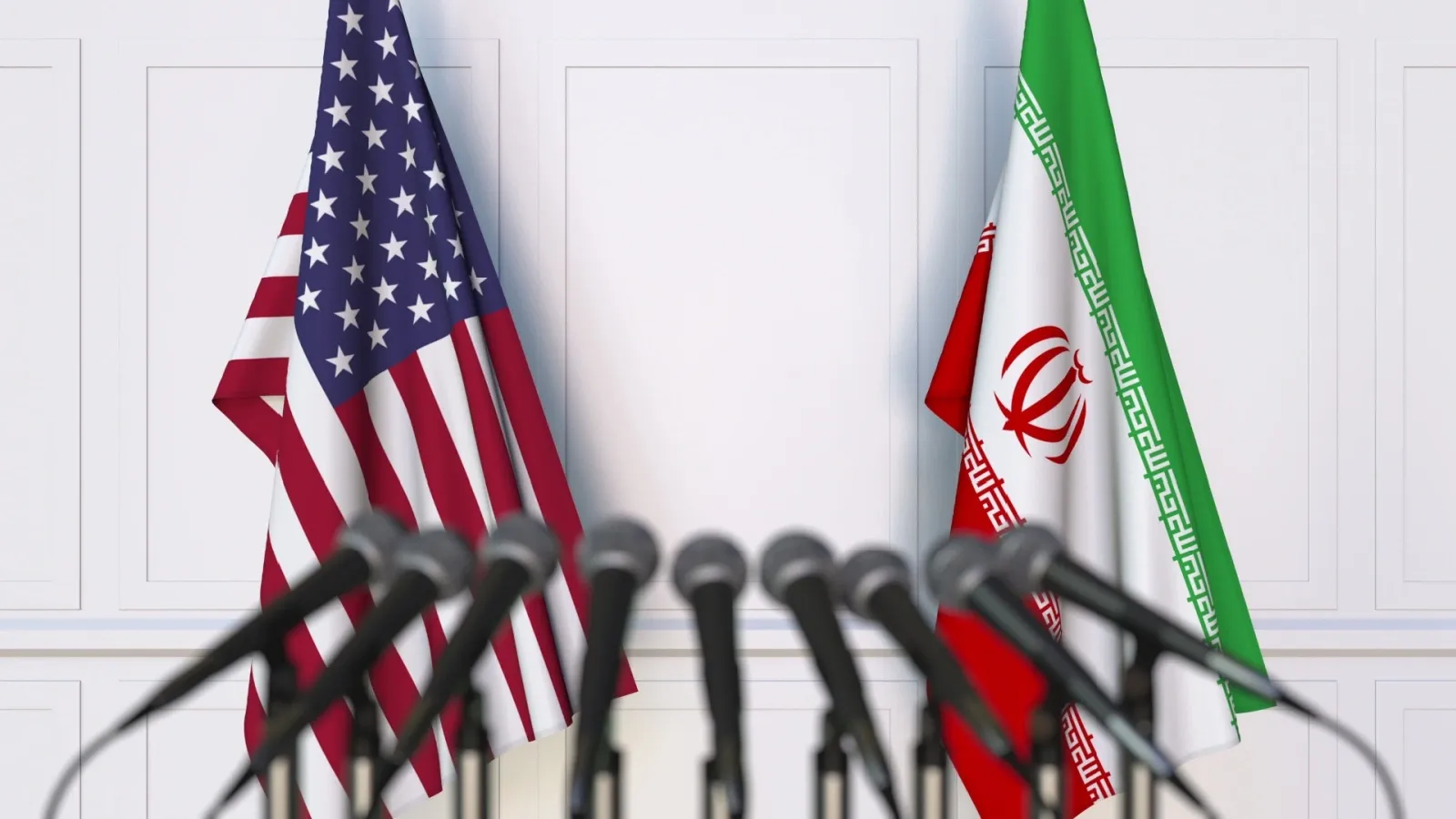
Prospects for a second round of talks between United States and Iran remain uncertain after US forces seized the Iranian cargo ship M/V Touska in the Arabian Sea.
The uncertainty around a second round of US-Iran peace talks persisted on Tuesday following a US naval seizure of an Iranian vessel and a flurry of conflicting statements from both sides.
The second round of talks is tentatively scheduled for Wednesday in Islamabad, with US Vice President JD Vance expected to lead the American delegation.
US President Donald Trump said negotiations with Iran were progressing and expressed confidence a deal would be reached, even as Tehran indicated that it may not return to the negotiating table under current conditions.
Rising tensions after ship seizure
The uncertainty intensified after US forces intercepted and seized an Iranian-flagged cargo ship, the M/V Touska, in the Arabian Sea on April 19.
US Central Command said the vessel had violated a naval blockade and was disabled after ignoring repeated warnings before Marines boarded it.
Trump praised the operation, saying the Navy had stopped the ship “right in its tracks.”
Iran condemned the seizure as “criminal” and demanded the immediate release of the vessel, its crew and sailors.
Tehran warned it would use “all its capacities” to defend its interests and said Washington would bear responsibility for any escalation.
The incident has cast a shadow over diplomatic efforts and raised doubts about whether talks can proceed.
Conflicting signals
Trump has maintained that Iran will eventually negotiate.
“They’re going to negotiate, and if they don’t, they’re going to see problems like they’ve never seen before,” he said in an interview late Monday.
In lengthy social media posts, Trump also insisted he was under “no pressure” to reach a deal and promised any agreement would be stronger than the 2015 nuclear accord brokered under former President Barack Obama.
“Time is not my adversary, the only thing that matters is that we finally, after 47 years, straighten out the MESS that other Presidents let happen because they didn’t have the Courage or Foresight to do what had to be done with respect to Iran,” Trump posted.
The Iranian Foreign Ministry, however, said there were no plans to re-engage with the United States.
Parliament Speaker Mohammad Bagher Ghalibaf accused Trump of trying to turn the negotiating table into “a table of surrender.”
“We do not accept negotiations under the shadow of threats, and in the past two weeks, we have prepared to reveal new cards on the battlefield,” Ghalibaf said.
Trump also claimed last week that Iran has "agreed to everything," and will work with the US to remove its enriched uranium.
"Our people, together with the Iranians, are going to work together to go get it. And then we'll take it to the United States," CBS News quoted Trump as saying.
Iran's foreign ministry rejected the claim saying enriched uranium is "as sacred as Iranian soil" and "will not be transferred anywhere under any circumstances".
Fragile ceasefire and narrowing window
The diplomatic push comes as a two-week ceasefire between Washington and Tehran nears expiration.
Trump said the truce would likely end Wednesday evening Washington time and indicated it was “highly unlikely” to be extended.
The looming deadline adds urgency to talks that had shown signs of progress just days earlier, but inconsistent public messaging from the US side has complicated the negotiations.
According to CNN, some US officials privately acknowledge that public commentary has made negotiations more difficult, given Iran’s deep mistrust of Washington.
The planned Islamabad meeting remains on the calendar for now, but its fate is unclear.
Former Central Command chief David H Petraeus said that the ceasefire between the US and Iran is expected to be extended beyond the initial two-week period, as both sides are willing to continue negotiations.
Petraeus, the former general who also served as CIA director, said that there is a “reasonable expectation” that the ceasefire could be prolonged as negotiators from both sides prepare for a possible second round of talks in Islamabad, although uncertainty remains over final participation.
“I think both the US and Iran want to extend the ceasefire,” he told PTI Videos in an interview on Monday.
About The Author
Next Story

