Business News
'Iran really wants to make a deal,' Trump says after fresh US military strikes
.png)
4 min read | Updated on June 01, 2026, 11:44 IST


SUMMARY
While both sides appear close to a deal, issues related to Iran's stockpile of highly enriched uranium and the terms of future nuclear restrictions reportedly remain unresolved.
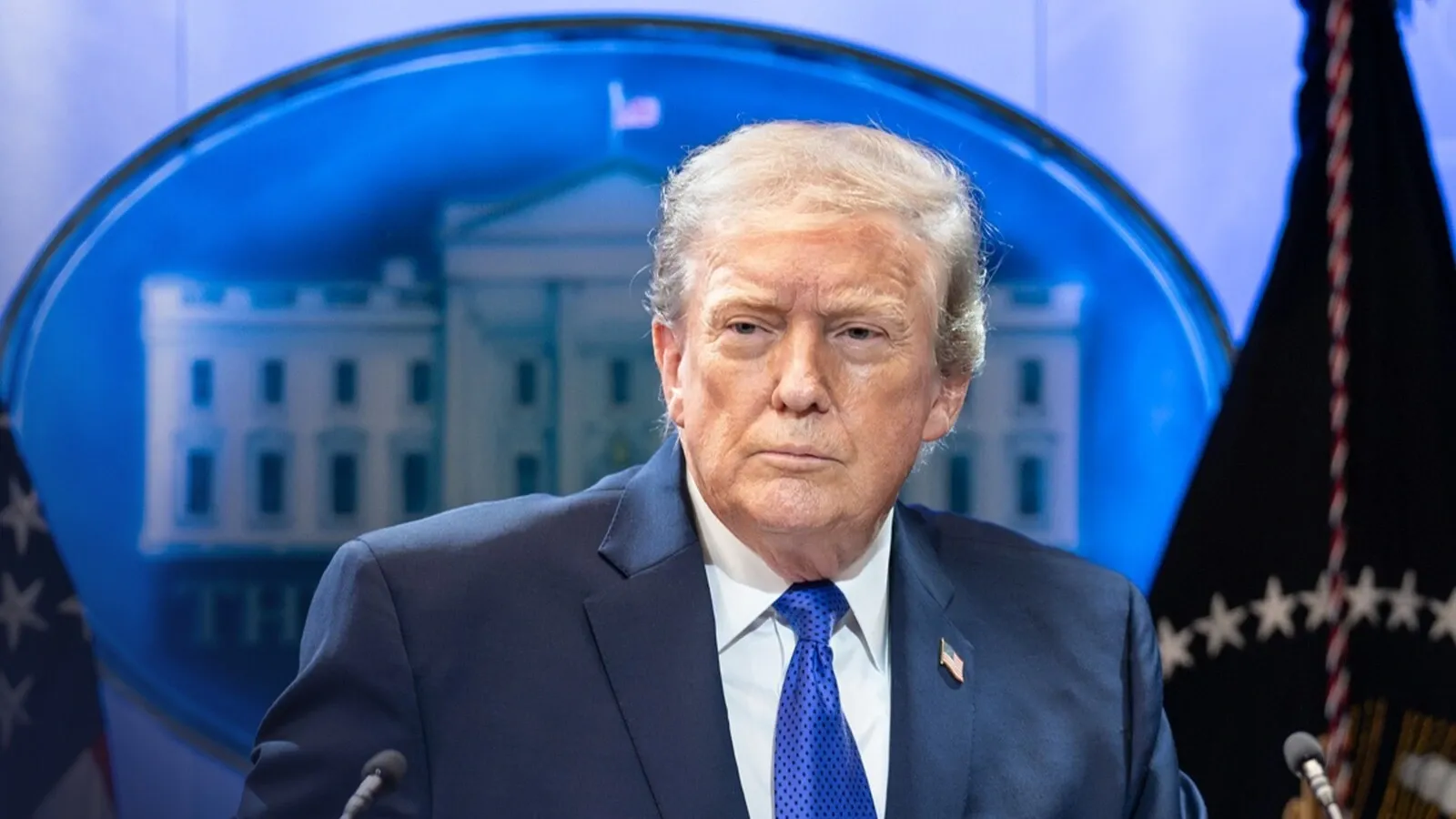
US President Donald Trump has expressed dissatisfaction with Iran’s latest proposal to reopen Strait of Hormuz. | Image: X/@WhiteHouse
US President Donald Trump on Monday said Iran was eager to reach an agreement with Washington, even as both sides exchanged fresh military strikes amid efforts to extend a ceasefire and revive negotiations over Tehran's nuclear programme.
"Iran really wants to make a deal, and it will be a good one for the U.S.A. and those that are with us," Trump said in a post on his Truth Social platform, urging critics to refrain from commenting on the pace and direction of negotiations.
Hitting out at Democrats and fellow Republicans criticising his actions, Trump said "it is MUCH tougher for me to properly do my job and negotiate, when political hacks keep negatively “chirping,” at levels never seen before, over and over again, that I should move faster, or move slower, or go to war, or not go to war, or whatever."
"Just sit back and relax, it will all work out well in the end — It always does!" he wrote.
Trump's remarks came after reports that he had sent back proposed changes to a draft agreement aimed at extending the existing ceasefire and reopening the Strait of Hormuz.
The social media post also followed a fresh round of military exchanges between Washington and Tehran.
The US military said it carried out strikes on Iranian military targets along the Gulf coast over the weekend in response to what it described as "aggressive Iranian actions," including the shooting down of a US MQ-1 drone operating over international waters.
In a statement posted on X, the US Central Command (CENTCOM) said American fighter aircraft destroyed Iranian air defence systems, a ground control station and two one-way attack drones that posed threats to commercial and military vessels in regional waters.
CENTCOM said the United States would continue to protect its personnel, assets and interests during the ongoing ceasefire period.
Iran's Islamic Revolutionary Guard Corps (IRGC) said on Monday it had targeted a US air base used in attacks against southern Iran.
Meanwhile, air defence systems in Kuwait intercepted missile and drone attacks as warning sirens sounded across the country, according to state news agency KUNA. Kuwait hosts major US military facilities.
The latest hostilities have cast uncertainty over ongoing diplomatic efforts, although officials indicated that negotiations on a ceasefire extension remain on track.
According to US media reports, Trump recently reviewed a proposed memorandum of understanding (MoU) that would extend the ceasefire by 60 days and create a framework for renewed negotiations over Iran's nuclear activities.
The president has reportedly sought stronger language on Iran's nuclear commitments and guarantees regarding the reopening of the Strait of Hormuz.
The requested changes were largely non-substantive and focussed on obtaining additional assurances from Tehran, reported CNN, citing a foreign official familiar with the discussions.
Trump has also expressed reservations about potential economic relief measures for Iran under the proposed agreement, drawing comparisons with the Obama-era nuclear accord, which he has repeatedly criticised.
Senior US officials said last week that Washington and Tehran had reached a tentative understanding on the proposed MoU, though the arrangement still requires Trump's final approval.
Vice President JD Vance, who led US negotiations with Iran in Islamabad in April, said the two sides were "very close" to finalising the agreement.
"We're going back and forth on a couple of language points. We've made a lot of progress here," Vance said.
He acknowledged that differences remain over Iran's stockpile of highly enriched uranium and the future of its uranium enrichment programme.
"There are a couple of issues on the nuclear stuff, the highly enriched stockpile, and also the question of enrichment. So we're going back and forth with them. We do think they're negotiating, at least so far, in good faith," he said.
"Hopefully, we'll continue to make progress and the President will be in a position where he can endorse the agreement, but obviously that's still TBD," Vance added.
About The Author
Next Story