
Business News
When will India-US trade deal's first tranche come into force? Goyal spells out condition

3 min read | Updated on July 30, 2026, 08:34 IST


SUMMARY
The minister's remarks come after the US imposed an additional 10% tariff on imports from India under a USTR Section 301 action.
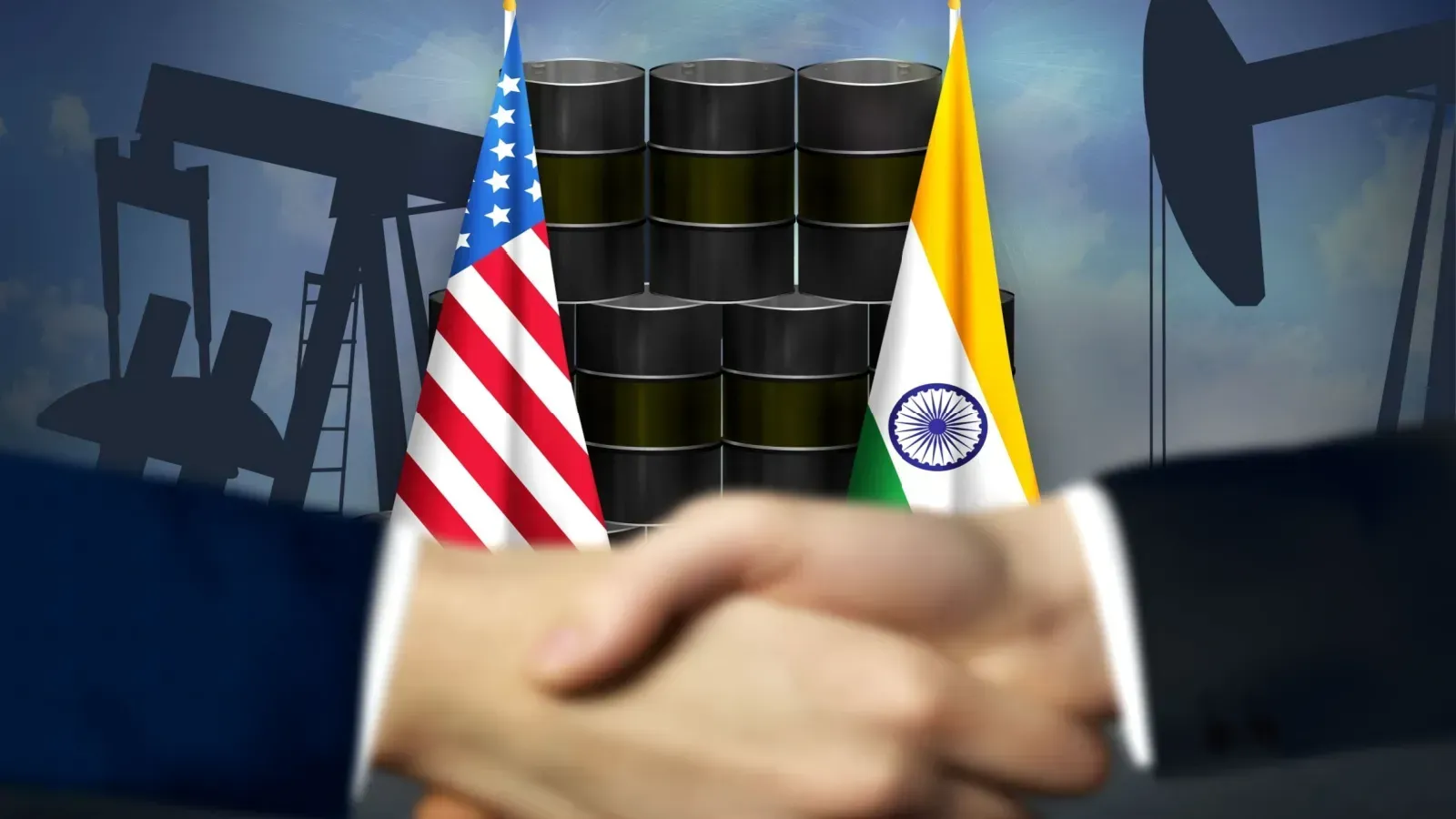
India exported goods worth about $87 billion to the US in 2025-26.
Commerce and Industry Minister Piyush Goyal on Wednesday said that the first tranche of the proposed India-US bilateral trade agreement (BTA) will come into force once the United States ensures that India enjoys a comparative tariff advantage over competing countries.
He said the understanding reached between the two countries was based on India securing a competitive edge over rival exporting nations.
"I have categorically and on several occasions expressed the confidence that what we have finalised with the US as the first tranche of the bilateral trade agreement... will come into operation as soon as the United States is able to ensure that we get a comparative advantage over our competitors, the countries in our neighbourhood, the countries in the ASEAN region and other countries with whom we compete," Goyal told reporters.
Countries such as Bangladesh, Sri Lanka, Vietnam, Thailand, Cambodia, Indonesia and Malaysia compete with India in the US market, and a tariff advantage over them would improve the price competitiveness of Indian goods.
The minister said that once this basis is re-established, the first tranche of the BTA would be ready for implementation.
"For us, as long as we have comparative advantage or comparable duties, I think India will continue to grow its exports and continue to leverage the large US opportunity," he said.
India exported goods worth about $87 billion to the US in 2025-26.
The remarks come days after the United States imposed an additional 10% tariff on imports from India under Section 301 of the Trade Act following an investigation into forced labour practices.
India is among 17 economies facing the 10% duty, the lowest tariff category under the action.
Other countries in the same category include Canada, the UK, Mexico, Bangladesh, Pakistan, Malaysia, Indonesia and Sri Lanka.
A higher 12.5% tariff has been imposed on economies that, according to the Office of the US Trade Representative (USTR), have weaker or no comparable measures to address forced labour concerns.
Goyal said that India participated in the investigations and the US has imposed some tariffs under one probe.
He added that another USTR investigation concerning structural excess manufacturing capacity involving India and 15 other trading partners is still under discussion, and a report is awaited.
India had contested both the USTR investigations, maintaining that such issues should be addressed as part of the ongoing negotiations for the bilateral trade agreement.
Goyal and US Trade Representative Jamieson Greer held talks in New Delhi last month on issues relating to the first phase of the BTA.
India and the US had announced the framework for the first phase of the agreement in February following discussions between Prime Minister Narendra Modi and President Donald Trump.
However, subsequent changes in the US tariff regime led to further negotiations.
The US is India's second-largest trading partner and the largest export destination. Bilateral goods trade stood at nearly $141 billion in 2025, with India's exports valued at $87.3 billion.
Asked about a US Senate move to advance legislation that could authorise tariffs of up to 100% on imports from countries buying Russian crude oil, including India, Goyal declined to comment.
"We don't comment on speculation," he said.
The proposed legislation, which is yet to be passed by the US Congress, would authorise the US President to impose tariffs of up to 100% on imports from countries continuing to purchase Russian crude oil or natural gas after the law comes into effect.
About The Author
Next Story

