
Business News
What India gained, what it gave in trade deal with UK; 20 burning questions answered
.png)
7 min read | Updated on July 25, 2025, 13:37 IST


SUMMARY
The Comprehensive Economic and Trade Agreement (CETA) covers 26 sectors, offering duty-free access to 45% of Indian exports like textiles, gems, and footwear, while slashing tariffs on UK goods such as cosmetics, whisky, and machinery.
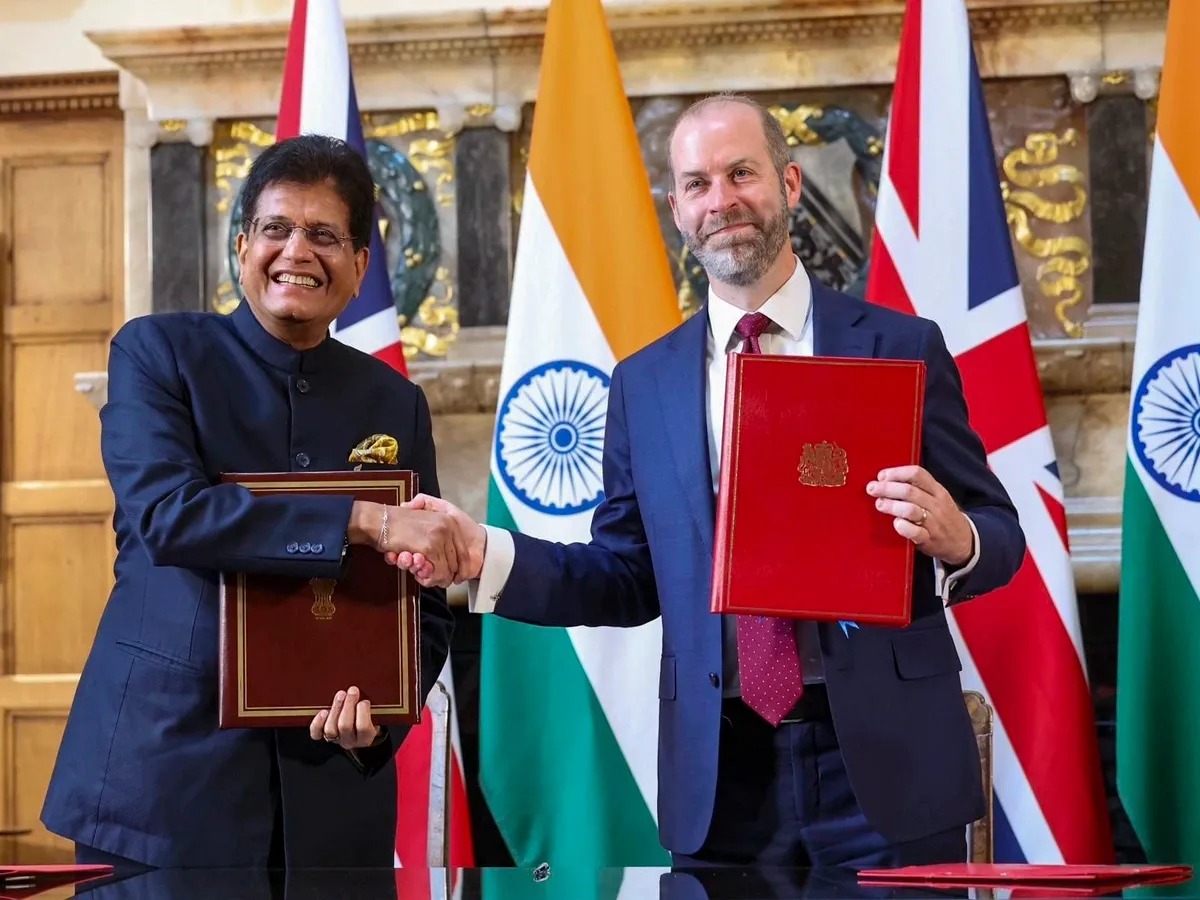
Union Commerce Minister Piyush Goyal and his British counterpart Jonathan Reynold during the signing of the Comprehensive Economic and Trade Agreement (CETA), in the UK.
The pact comes just days before the expiry of a US moratorium on higher tariffs and is seen as a strategic move to cement India’s export competitiveness globally. Under the deal, India has agreed to open its market to a range of UK consumer products such as chocolates, biscuits, and cosmetics, while securing deeper market access for its own exports, including textiles, footwear, gems and jewellery, sports goods, and toys.
The agreement also offers relief to Indian IT majors operating in the UK. Companies such as TCS and Infosys will no longer need to make social security contributions for up to three years for Indian employees posted to Britain, reducing their operational costs.
Prime Minister Narendra Modi, who travelled to London for the signing, described the agreement as “a blueprint for our shared prosperity.”
"On the one hand, Indian textiles, footwear, gems and jewellery, seafood, and engineering goods will get better market access in the UK... On the other hand, people and industries in India will be able to access products made in the UK, such as medical devices and aerospace parts, at affordable and attractive prices," he said.
In his remarks to the media, Modi said the UK and India are "natural partners" and said the nations were "writing a new chapter" in their history.
Prime Minister Keir Starmer termed it "the biggest and most economically significant" trade deal Britain has made since Brexit.
"The UK has been negotiating a deal like this for many years, but it is this government that got it done, and with it, we're sending a very powerful message that Britain is open for business, and that is already generating huge confidence," he said.
The pact has many things which were agreed upon by India for the first time, including the slashing of import duties on automobiles, and the inclusion of chapters like Trade and Gender Equality. It covers areas such as tariffs, services, digital trade, intellectual property, and government procurement.
FAQs: India-UK CETA Explained
The agreement aims to double bilateral trade in goods and services to USD 112 billion by 2030, from the current USD 56 billion.
In FY2025, India exported USD 14.5 billion worth of goods to the UK. With the new deal, USD 6.5 billion or 45 per cent of exports like textiles, footwear, carpets, automobiles, seafood, and fresh fruits will enter the UK duty-free, down from earlier tariffs of 4 per cent to 16 per cent.
Petroleum products, pharmaceuticals, diamonds, and aircraft components valued at around USD 8 billion already enjoyed zero MFN tariffs even without the agreement.
The UK will eliminate tariffs on all Indian goods except a few agricultural items like rice, giving Indian exporters a competitive edge.
India imports goods worth USD 8.6 billion from the UK, which currently face tariffs on over 94% of items. Under CETA, India will eliminate tariffs on 90% of UK good. Tariffs on 64 per cent of goods will be eliminated immediately, including salmon, lamb, aircraft parts, machinery, and electronics.
An additional 26% of UK exports, such as chocolates, soft drinks, cosmetics, and auto parts, will see tariffs phased out over the next decade.
Yes. Current tariffs of 10-20% on cosmetics like soaps, perfumes, and nail polish will be eliminated either on day one or phased out gradually. India will also remove duties on medical devices.
Yes. India has for the first time given tariff concessions for the auto sector in its FTA. It has opened a dedicated Tariff Rate Quota (TRQ) for passenger cars from the UK with duties gradually reduced to 10 per cent over 15 years within quota limits, while out-of-quota imports still face high tariffs.
No. There are no tariff concessions for electric, hybrid, or hydrogen-powered vehicles in the first five years.
Indian textiles faced duty disadvantages compared to Bangladesh, Pakistan, and Cambodia. The removal of these tariffs will boost competitiveness and is expected to increase India’s market share in the UK by at least 5% within 1-2 years.
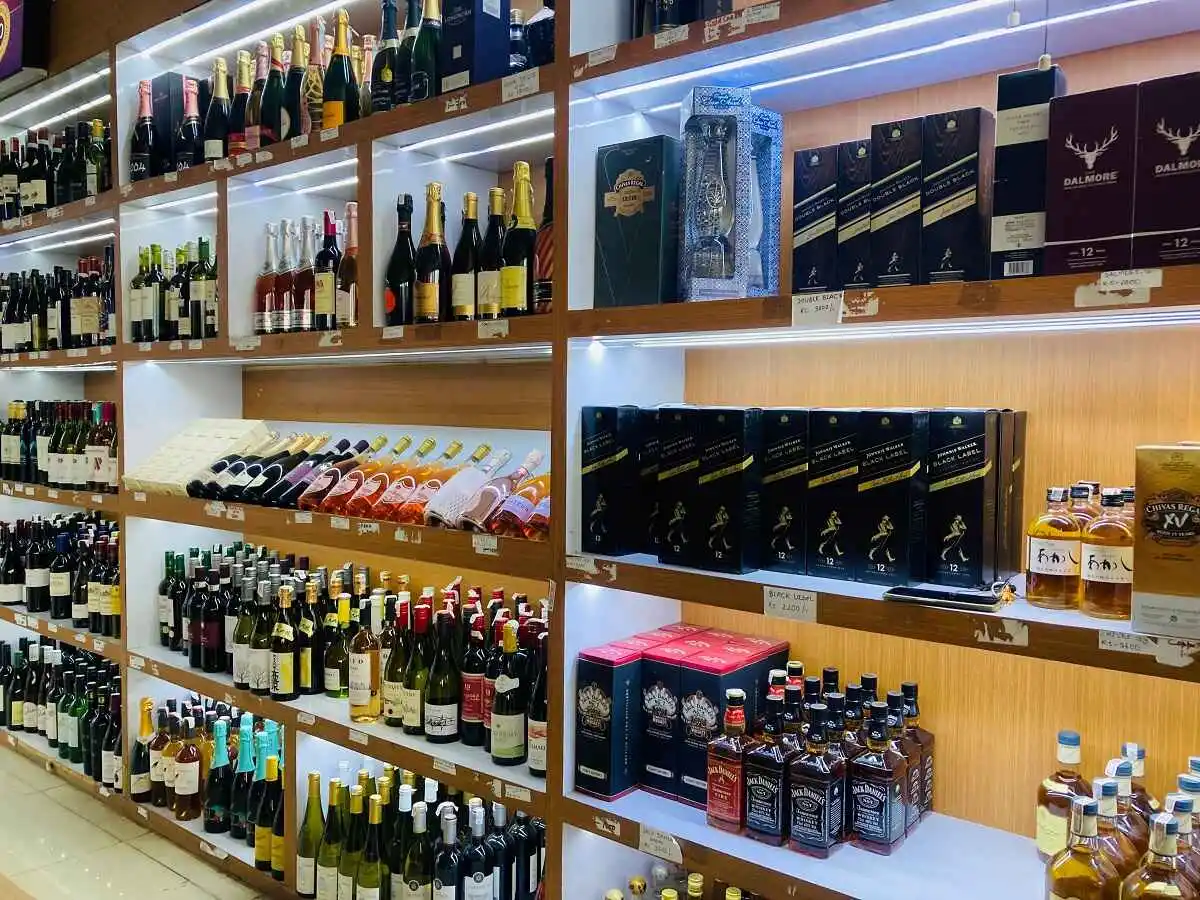
The base customs duty of 150% on UK-origin alcoholic beverages will be reduced to 75% by year 10 for imports meeting Minimum Import Price thresholds. For Scotch whisky, duties will fall to 40% by the end of the agreement period.
Yes. Premium brands like Johnnie Walker Black Label and Chivas Regal may see price drops of Rs 200-300 per bottle, while bottled-in-India brands like Black Dog and 100 Pipers could be cheaper by Rs 100-150.
India has excluded fresh apples, walnuts, whey and modified whey, blue-veined cheese, specific seeds, gold bars, and smartphones from concessions. The UK has excluded items such as meat products, egg-based foods, milled rice, and cane or beet sugar.
For the first time, India will open around 40,000 high-value government contracts in sectors like transport, green energy, and infrastructure to UK suppliers.
India has accepted language in the IP chapter that stresses “adequate remuneration” to patent holders, aligning with WTO’s TRIPS Article 31(h), which may subtly curtail its ability to issue compulsory licences.
India has opened sectors such as accounting, auditing, financial services (with FDI capped at 74% in insurance), telecom (100% FDI allowed), and environmental services to UK firms. The UK will grant 1,800 annual visas for roles like yoga instructors and classical musicians.
Indian firms sending employees on short-term UK assignments will not have to make social security contributions for up to three years, reducing costs for IT and consulting companies.
No. India did not secure a carve-out, which means from January 2027, the UK can impose carbon taxes on Indian exports like steel and aluminium.
Smartphones (USD 1.48 billion), aviation turbine fuel (USD 1.29 billion), pharmaceuticals, basmati rice, polished diamonds, steel products, cotton garments, and gold jewellery were key exports.
Gold bars (USD 2.1 billion), turbo-jets, aluminium scrap, telecom and electronic equipment, blended alcoholic beverages, scrap paper, copper scrap, and machinery parts.
Related News
About The Author
Next Story

