
Business News
US warns Iran of economic ‘D-Day’ ahead of tougher measures; Tehran threatens Gulf oil shutdown

3 min read | Updated on August 24, 2026, 09:06 IST


SUMMARY
The escalation comes as US-Iran diplomatic efforts remain stalled after months of conflict.
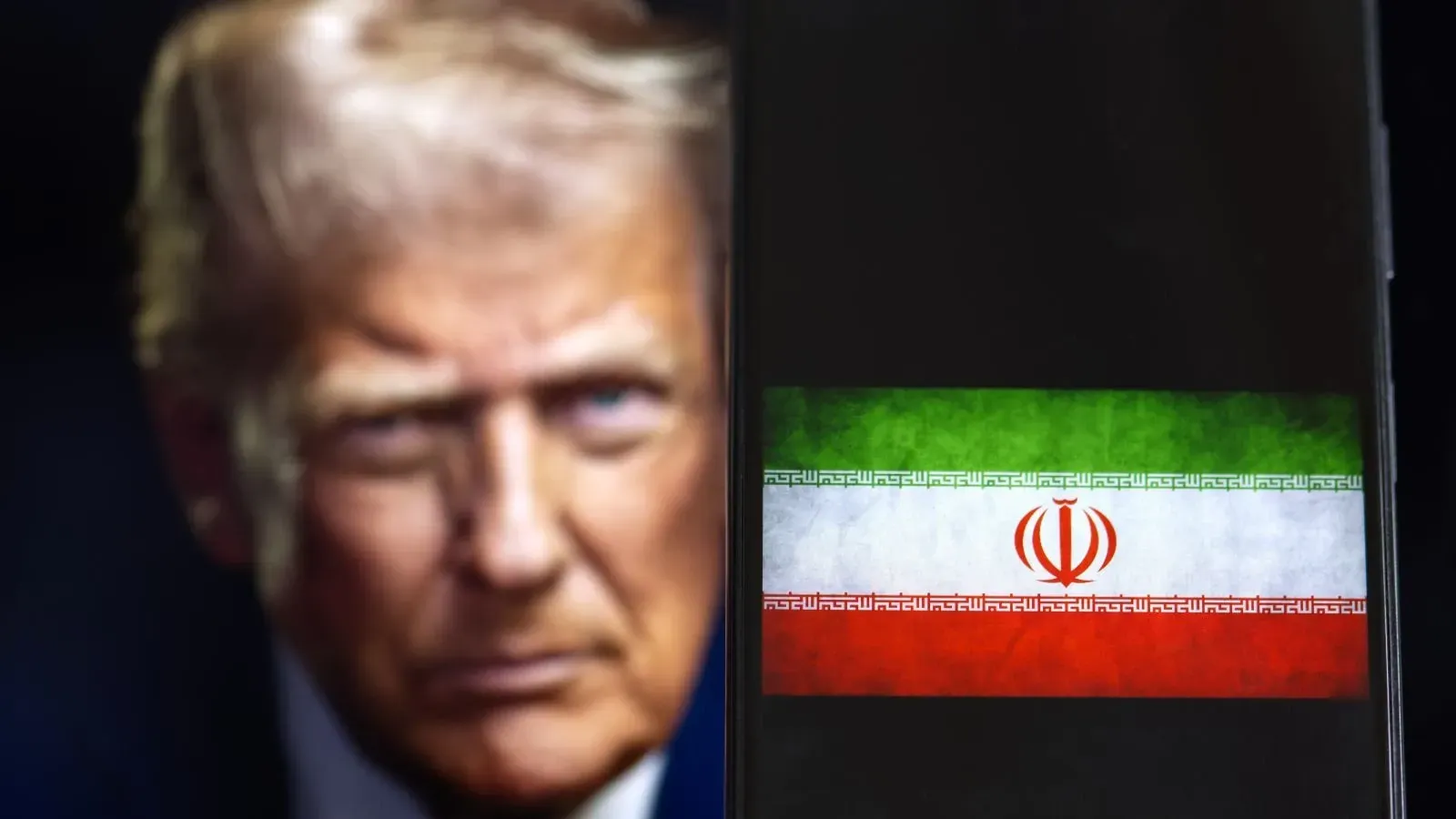
US President Donald Trump called for an unprecedented campaign of economic warfare and isolation.
US Treasury Secretary Scott Bessent warned Sunday that an “economic D-Day” was coming for Iran as the Trump administration prepares to unveil tougher measures aimed at isolating the Iranian economy.
In an op-ed published in the Financial Times, Bessent said the United States would launch “the single greatest financial offensive ever marshalled against an adversary” and seek to cut off the economic lifelines sustaining Iran’s government.
“The world should understand that our objective is to sever every economic lifeline that sustains the tyrannical regime until Tehran stands alone,” Bessent wrote.
Bessent is scheduled to hold a news conference Monday at 1 pm EDT (10:30 pm IST), when he is expected to provide details of the new measures.
The administration has not publicly specified the scope of the planned action.
The warning marks an escalation in Washington’s campaign of economic pressure on Tehran, which has faced US sanctions almost continuously since Iran’s 1979 Islamic Revolution.
Bessent also warned countries that facilitate Iranian trade and financial transactions that they could face consequences.
“Iran’s enablers purchase and transport its petroleum,” he wrote, accusing them of allowing seaborne fuel transfers and illicit use of financial institutions.
“These countries calculate appeasement of the regime to be the safer course. But they would do well to consider the consequences of sustaining it,” he wrote.
President Donald Trump issued a similar warning last week, calling for what he described as the “MOST CRUSHING ECONOMIC OPERATION EVER TAKEN AGAINST ANY COUNTRY.”
Trump said countries that allow financial institutions, businesses, airports or government entities to provide Iran with “any type of lifeline” would face “TREMENDOUS Economic Consequences.”
He specifically called for an end to Iranian oil smuggling, financial swap arrangements, cash transfers, exchange houses, ship registries and the use of front companies.
“This will be an ECONOMIC D-DAY,” Trump wrote, urging US allies to join Washington in isolating Iran.
The administration is seeking to intensify economic pressure on Tehran as the two sides remain without meaningful negotiations to end their six-month-old conflict.
The countries have not exchanged military strikes for several weeks, but diplomatic efforts to resolve the conflict have stalled.
Iran's economy was already under severe pressure from sanctions, high inflation, a weakening currency, energy shortages and longstanding structural problems before US and Israeli attacks damaged parts of its infrastructure.
The conflict has further disrupted trade and production and left Tehran facing the cost of rebuilding damaged infrastructure.
Bessent warned that Iran's response to the US economic campaign could also trigger further action from Washington.
“If Iran responds militarily, President Trump will respond swiftly and decisively,” he wrote.
Mohsen Rezaei, secretary of Iran’s Supreme National Security Council, said that continued economic pressure could lead Tehran to halt oil exports through the Strait of Hormuz and elsewhere in the Persian Gulf.
“If the economic war continues, not a single drop of oil will be exported, neither through the Strait of Hormuz nor from anywhere in the Persian Gulf,” Rezaei wrote in a social media post.
Iran would consider any country participating in or supporting the US economic campaign “an act of war,” he said.
About The Author
Next Story

