
Business News
New Steel Policy Vision: India plans to nearly triple steel capacity to 604 MT by 2047
.png)
5 min read | Updated on October 12, 2026, 11:50 IST


SUMMARY
The roadmap aims to raise per capita steel consumption to 302 kg and exports to 45 million tonnes.
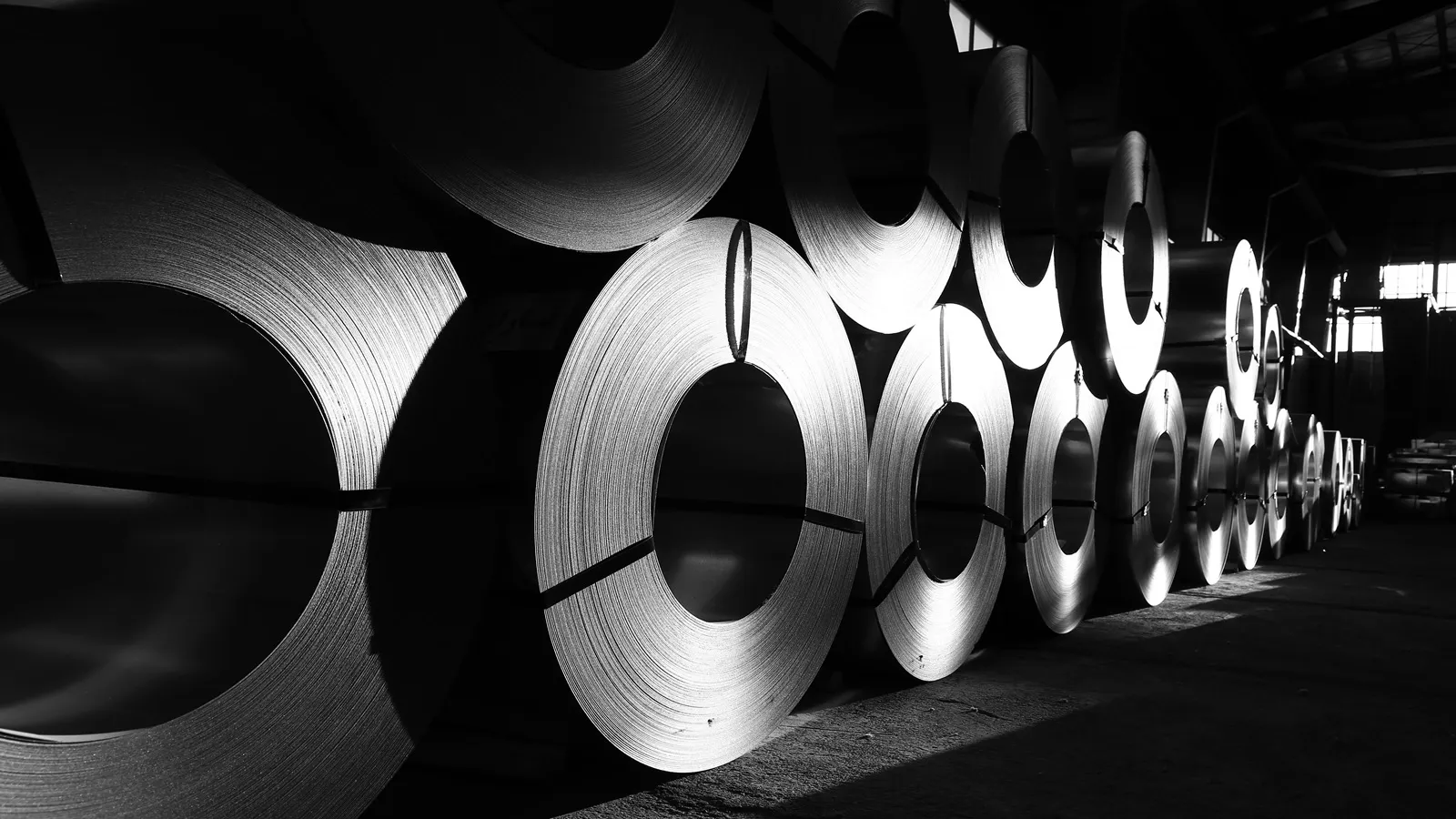
The NSP Vision 2047 provides a long-term policy framework to build a globally competitive, technologically advanced and environmentally sustainable steel sector. Image: Unsplash
The government has released a draft National Steel Policy Vision 2047, aiming to expand India's crude steelmaking capacity to 604 million tonnes and raising steel exports to 45 million tonnes by 2047.
The draft policy, prepared in line with the government's Viksit Bharat vision, projects finished steel demand to reach 505 million tonnes by 2047, with per capita consumption rising to 302 kg from 116 kg in 2025-26.
India's crude steel capacity stood at 220 million tonnes per annum in 2025-26, while production was 170 million tonnes and finished steel consumption 164 million tonnes, according to the draft.
"Manufacturing and infrastructure will remain the primary drivers of steel demand. Construction and infrastructure currently account for about 67% of steel consumption, while automobiles, engineering goods, appliances and packaging contribute another 28%," the policy draft said.
The proposed roadmap seeks to make the domestic steel industry globally competitive through capacity expansion, technological modernisation, development of high-value steel products and a transition towards low-carbon manufacturing.
Raw material security is a major focus of the draft, which notes that inputs account for around 65-70% of steelmaking costs.
While India is largely self-sufficient in iron ore, it imports nearly 92% of its coking coal requirement.
The draft proposes expanding domestic mining and coal washeries, improving the use of domestic coking coal, acquiring overseas mining assets and diversifying supply sources.
It also calls for increasing domestic production of limestone, dolomite and manganese ore, strengthening steel scrap collection and recycling, and improving rail, road and multimodal connectivity to reduce logistics costs.
The draft envisages a major expansion in raw material requirements by 2047, with iron ore demand projected at 772 million tonnes and coking coal demand at 236 million tonnes.
The secondary steel sector, comprising around 2,550 units and accounting for nearly 47% of crude steel production capacity, is proposed to receive support for technology upgrades, improved raw material access, skill development and workplace safety.
The policy also seeks to curb imports of substandard steel through stronger testing, certification and traceability mechanisms, along with artificial intelligence-based monitoring to detect unusual import surges and possible circumvention of trade measures.
The policy envisages a shift towards higher-value products such as automotive, coated, electrical, stainless and specialty steel. It proposes improving export infrastructure, expanding market access through trade agreements and diversifying destinations, including Africa, the Middle East, ASEAN and Latin America.
The draft also identifies compliance with international environmental requirements, including the European Union's Carbon Border Adjustment Mechanism, as important for improving the competitiveness of Indian steel in overseas markets.
Decarbonisation
The steel sector accounts for an estimated 10-12% of India's carbon dioxide emissions, with average emission intensity of 2.54 tonnes of CO2 per tonne of crude steel, compared with a global average of 1.92 tonnes.
The draft targets reducing the industry's average emission intensity to around 1.54 tonnes of CO2 per tonne of crude steel by 2047, while laying the groundwork for achieving net-zero emissions by 2070.
It proposes a phased transition beginning with energy efficiency, renewable energy and greater scrap utilisation during 2026-30, followed by adoption of best available technologies and coal gasification. Green hydrogen-based direct reduced iron production and carbon capture, utilisation and storage are envisaged in subsequent phases.
Specialty steel
The policy also seeks to promote domestic manufacturing of specialty steel for sectors such as automobiles, defence, aerospace, railways and renewable energy, reducing reliance on imported high-end steel grades and production technologies.
It proposes diversifying raw material sourcing, developing a domestic scrap ecosystem, promoting downstream manufacturing clusters, developing indigenous technology, establishing Centres of Excellence, and aggregating demand.
Digital transformation
The draft proposes to establish a Steel Digital Centre of Innovation and develop a National Steel Data Platform covering production, quality, energy, emissions, logistics and raw materials.
It envisages wider adoption of artificial intelligence, robotics, automation and digital manufacturing, alongside support for research institutions, start-ups and industry-academia collaboration.
It also proposes setting up a Steel Industry Safety Council and a Safety Directorate to standardise audits, reporting and disaster preparedness, and establishing a Steel Skill Development Working Group to assess workforce requirements and upgrade training institutions.
The Ministry of Steel would periodically review demand and capacity projections, preferably every five years, in response to technological developments, changing trade dynamics, climate policies and global economic conditions.
The government had introduced a National Steel Policy in 2017, aimed at increasing India's steel manufacturing capability to 300 MT by 2030 along with other parameters such as 160 kg per capita consumption, ensuring raw material availability, among others.
India's Crude steel production has increased from about 89 MT in 2014-15 to 170 MT in 2025-26, while finished steel consumption has more than doubled from 77 MT to 164 MT during the same period. The country's per capita steel consumption remains low at 116 kg in FY26, compared to the global average of 209 kg, indicating significant headroom for growth as infrastructure and manufacturing expand.
Steel Secretary Sandeep Poundrik recently said the 2017 policy "needed a relook" taking current challenges and requirements. The official said that since 2017, emerging priorities like artificial intelligence, machine learning and technical upgrades require greater focus.
About The Author
Next Story

