
Business News
India placed in lower 10% tariff bracket in US Section 301 forced labour action

4 min read | Updated on July 24, 2026, 08:43 IST


SUMMARY
According to the Office of the US Trade Representative (USTR), the 10% tariff applies to economies that already have a forced labour import prohibition, have committed to introducing one through a trade agreement, or have adopted partial measures.
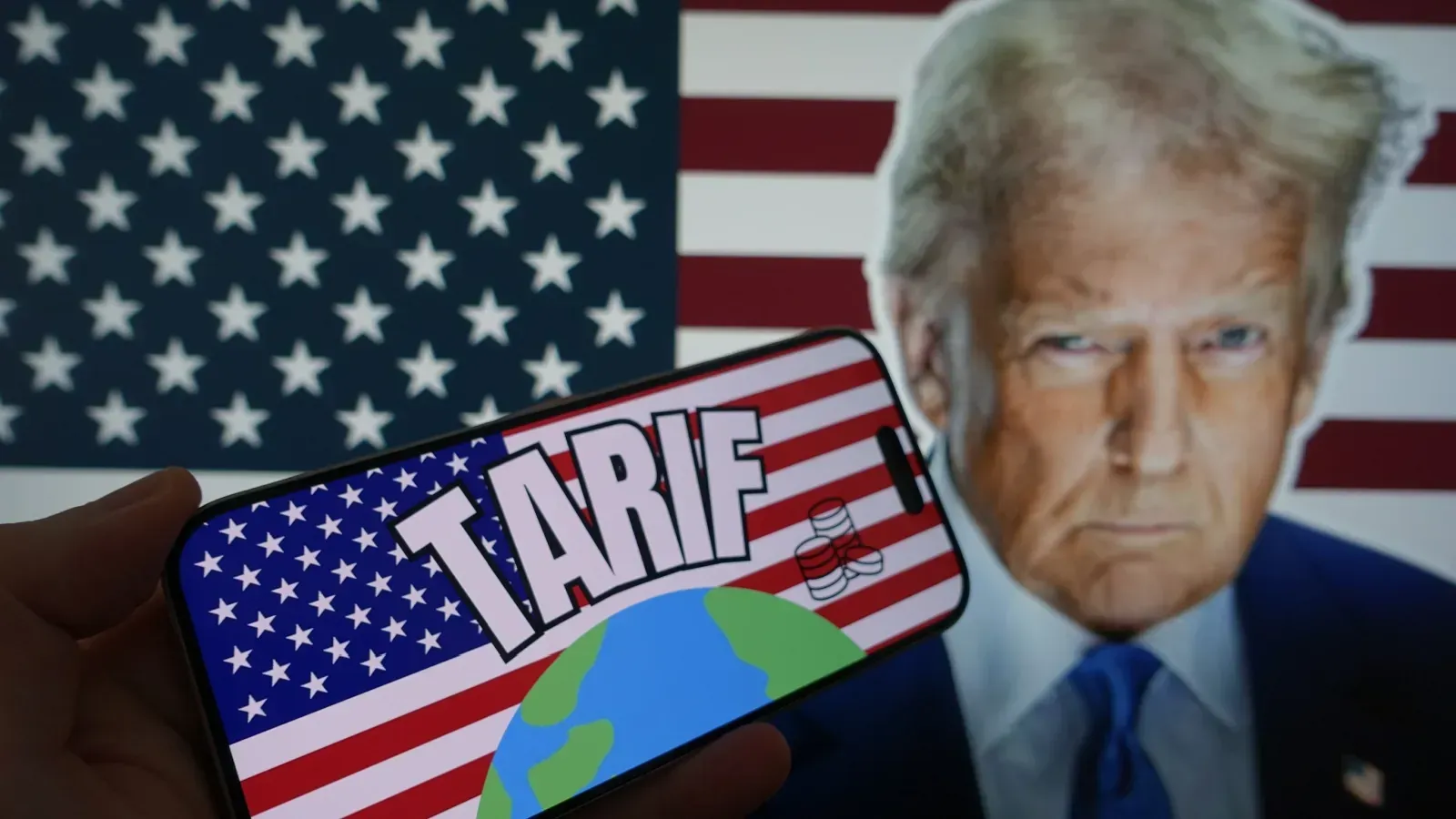
The Trump administration is increasingly relying on Section 301 after a US Supreme Court ruling limited the president’s ability to impose sweeping tariffs.
The United States has imposed an additional 10% tariff on imports from India under Section 301 of the Trade Act, placing the country in the lower tariff category among 60 economies covered by the investigation.
The action, announced by the Office of the US Trade Representative (USTR) on Thursday, follows a months-long probe into whether trading partners have failed to impose and effectively enforce bans on imports of goods made with forced labour.
India is among 17 economies that will face a 10% Section 301 duty, the lowest rate under the action.
According to the USTR, these economies either already have a forced labour import prohibition in place, have committed to introduce and enforce one through a reciprocal trade agreement, or have adopted a partial regime to prevent imports of certain goods made with forced labour.
Other countries in the 10% category include Canada, the United Kingdom, Mexico, Bangladesh, Pakistan, Malaysia, Indonesia and Sri Lanka.
A higher 12.5% duty has been imposed on other investigated economies that, according to the USTR, have weaker or no comparable measures.
Certain products from the European Union, Japan, South Korea, Taiwan and Switzerland will face tariffs of either 10% or 12.5%, net of the applicable most-favoured-nation tariff.
"President Trump recognises that decades of moral suasion have not eradicated forced labour from global supply chains," US Trade Representative Jamieson Greer said.
"The United States has had a forced labour import ban for nearly a century, and rigorously enforces it; it's well past time for our trading partners to do the same," he said.
Greer said the tariffs were intended to address what Washington considers both a human rights issue and a trade practice that disadvantages American workers.
The USTR said it had conducted two rounds of public hearings, received more than 2,100 public comments during the investigation and proposed action, and held consultations with more than 45 governments before taking the final decision.
A Federal Note in this regard took note of India's adoption of a forced labour import prohibition after the unveiling of the proposed tariffs in June.
On June 14, India amended its foreign trade policy to prohibit the import of goods produced using forced labour.
The Trump administration launched the investigations on March 12 under Section 301 of the Trade Act of 1974, which authorises the US to impose trade sanctions against countries found to engage in "unjustifiable", "unreasonable" or "discriminatory" practices that burden or restrict US commerce.
On June 2, the USTR determined that the failure of the 60 economies to impose and effectively enforce prohibitions on imports of goods produced with forced labour constituted an unreasonable practice actionable under Section 301.
The USTR has also granted product-specific exemptions covering certain raw materials, goods critical to the US economy, products not available in sufficient quantities from domestic or alternative sources, and selected products from economies that have made commitments to strengthen their forced labour regimes.
The move comes as the Trump administration increasingly relies on Section 301 after a US Supreme Court ruling curtailed the president's authority to impose broad-based tariffs under other legal provisions.
Unlike tariffs imposed under Section 122 of the Trade Act, which are generally limited to 150 days without Congressional approval, Section 301 duties can remain in force for four years and may be extended.
The forced labour investigation is also one of two major Section 301 probes currently involving India.
A separate investigation is examining whether India and 15 other trading partners contribute to structural excess manufacturing capacity that depresses global prices and harms US producers.
India has contested both the investigations initiated by the USTR and insisted that these issues can be discussed as part of the bilateral trade agreement that is under discussion.
The US is India's second-largest trade partner and the largest destination for exports. In 2025, bilateral goods trade was pegged at nearly $141 billion, with India's exports pegged at $87.3 billion, according to commerce department data.
About The Author
Next Story

