
Business News
Govt hits back at E20 critics, explains why it won't bring back pure petrol

3 min read | Updated on July 10, 2026, 12:42 IST


SUMMARY
The government’s response comes amid concerns from vehicle owners over the absence of fuel choices at petrol pumps, particularly for owners of older vehicles that are not certified as E20 compatible.
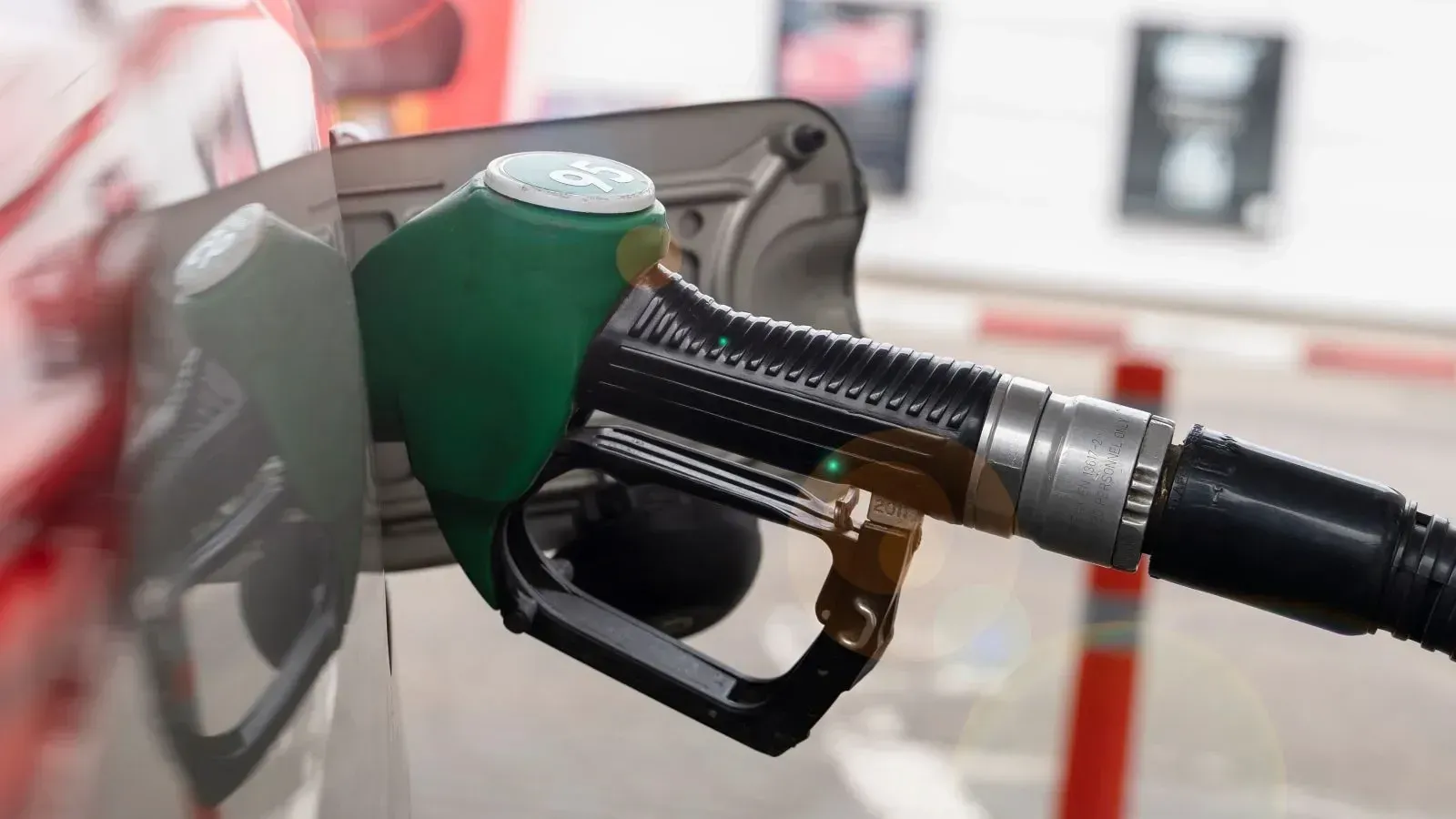
The ministry argued that maintaining multiple fuel options across more than 100,000 fuel stations would create major logistical challenges.
The Centre on Friday mounted a strong defence of its ethanol-blended petrol (E20) programme, asserting that the transition was "carefully planned" over two decades and arguing that there was no reason to "retreat to an inferior standard".
The Ministry of Petroleum and Natural Gas issued a detailed set of frequently asked questions (FAQs), saying it was responding to concerns that continued to be raised despite an earlier clarification and explanations by automobile manufacturers earlier this month.
India has already achieved 20% blending of ethanol with petrol as part of its push to reduce crude oil imports, lower emissions and boost farmers' incomes.
However, the policy has faced criticism from vehicle owners over the lack of a choice between pure petrol, E10 and E20 at retail outlets, particularly for older vehicles that are not certified as E20 compliant.
Unlike Brazil, where consumers can choose between fuels with different ethanol content and prices, Indian motorists have no such option.
Rejecting suggestions that India had rushed into higher ethanol blending, the ministry said the programme had evolved through a series of policy measures beginning with pilot projects in 2001, formal rollout of E5 in 2006, the biofuels policy in 2018 and investments in dedicated ethanol plants from 2021.
"The suggestion that India 'rushed' into ethanol blending is simply not borne out by facts," it said, adding that the country's transition had been "carefully planned, staggered, gradual and stepwise".
The ministry said consultations had been held with automobile manufacturers, component suppliers, testing agencies and other stakeholders before rolling out E20.
The ministry also dismissed calls for multiple fuel choices, arguing that maintaining separate nationwide supply chains for pure petrol, E10 and E20 would create "an enormous logistical challenge", raise costs and complicate operations across India's network of more than 100,000 fuel retail outlets.
"So, the real question is this: if a cleaner, faster and less-polluting fuel is available, why would we deliberately choose an inferior alternative?" it said.
In a combative response, the ministry also defended the policy by pointing to investments made in the ethanol ecosystem.
It said public sector banks had financed nearly ₹1 lakh crore annually in ethanol production and related infrastructure, including dedicated ethanol plants, distilleries, storage facilities and logistics networks.
The ministry asked, "If, after creating this capacity, we were to arbitrarily revert to E10, what happens to these investments? What happens to the surplus production capacity? What happens to thousands of crores invested by farmers, cooperatives, entrepreneurs, financial institutions and public sector companies in good faith based on a national policy?".
Drawing an unsual analogy, it said, "Would anyone today ask us to bring back the old blue DTC buses instead of modern public transport? Would anyone argue that we should return to pothole-ridden roads because they were familiar?"
It added, "Progress means embracing better technology."
Addressing concerns over older vehicles, the ministry cited data from Maruti Suzuki and Hero MotoCorp, saying no E20-linked corrosion, abnormal wear or component-life damage had been reported in field experience.
It acknowledged that some vehicles could witness a 3-5% reduction in fuel economy but maintained that E20 offered higher octane, better anti-knock characteristics, cleaner combustion and around 40 per cent lower lifecycle carbon emissions than conventional petrol.
"Once a superior fuel has been scientifically validated, extensively tested and accepted by the automotive industry, the objective should be to move forward with confidence, not to retreat to an inferior standard," the ministry said.
About The Author
Next Story

