
Upstox Originals
The one-sided bond: Why Cambridge Dictionary chose ‘parasocial’ as the word of the year

3 min read | Updated on January 07, 2026, 12:47 IST


SUMMARY
Are you a fan of a celebrity and follow his or her activities closely on social media? If yes, then you may be displaying ‘parasocial’ behaviour. Fans of Taylor Swift or ‘Swifties’ have followed her life and activities, giving unsolicited advice and feeling connected to her. Here's why Cambridge Dictionary chose 'parasocial' as word of the year
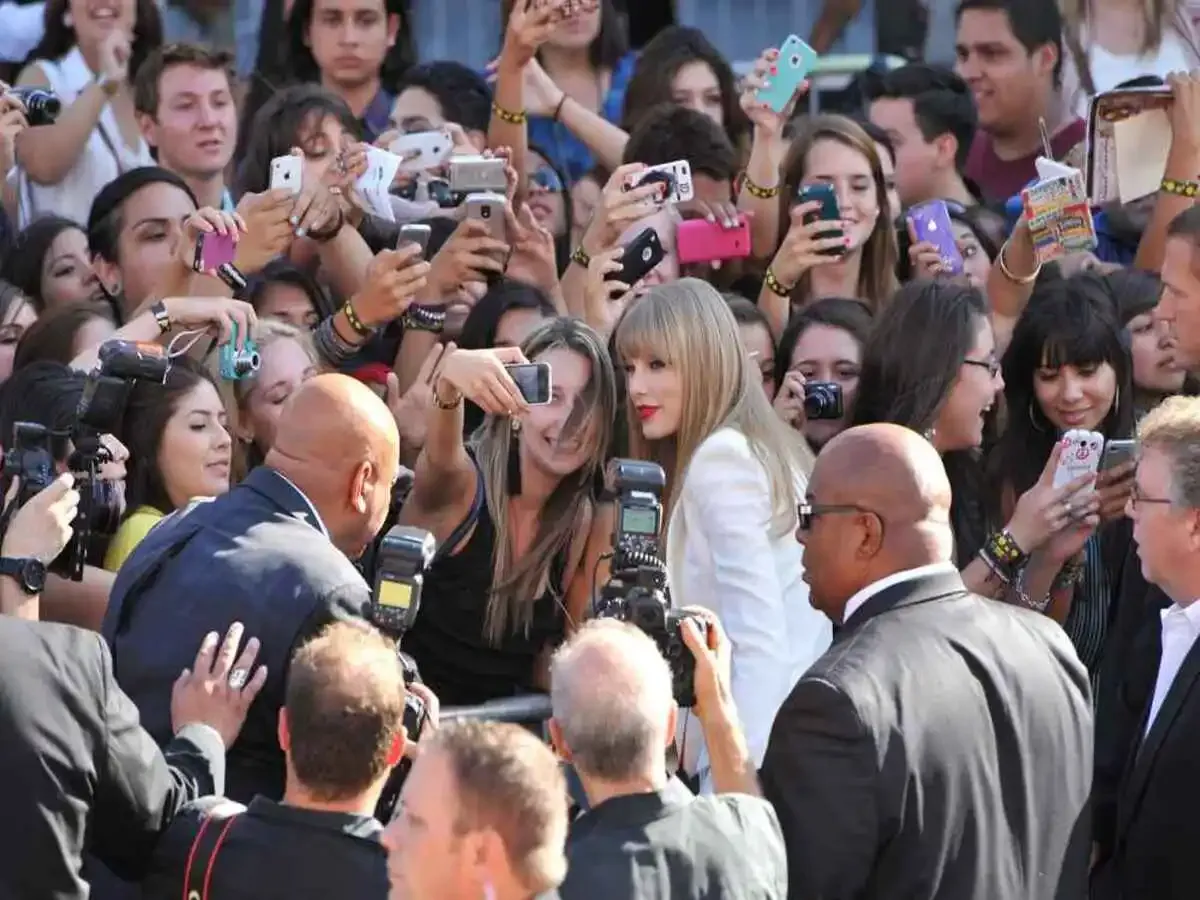
Fans of Taylor Swift or ‘Swifties’ feel connected to her | Image: Shutterstock
‘Parasocial’ is Cambridge dictionary’s word of the year which refers to one-sided human connection with celebrities. It stands for the deeply lop-sided relationships people sometimes create with public figures, fictional characters or even social media personalities. This is how we are engaging with celebrities today, developing a deep bond, which is always a one-way street.
Cambridge Dictionary chose the term due to the excitement the word has generated this year, typically basing their choice on spikes in search volume. The term was searched after appearing in news headlines and social media discussions. Cambridge also recognised it for its cultural relevance and for filling a linguistic gap. We needed a term to describe this cultural and social phenomenon. It was being used in discussions about modern fandom and mental health implications of social media addiction.
One of the reasons why parasocialism is emerging as a behaviour pattern is celebrities letting fans in on their personal lives. Social media has made this easily possible although the trend has been around for some time with crazy fans of Indian movie stars displaying obsessive behaviour like fans of yesteryear actors Dev Anand and Rajesh Khanna. On social media, celebs share slice-of-life moments, giving fans a chance to know them closely, creating an illusion of intimacy.
The cult favourite pop icon Taylor Swift has inspired millions around the world with her sensitive lyrics. Her fans, known as ‘Swifties’ are diverse and fiercely loyal. They connect with her consistent themes of heartbreak, love and growth, seeing their own lives reflected in her music. So when Swift and Travis Kelce announced their engagement fans felt connected with the duo following every move of theirs. Swift’s confessional lyrics have always attracted fans who have identified with her life and personality.
OTT platforms have brought us even closer to the celebrities we admire. Fans develop a deep affinity with actors seeing them season after season, like Damon and Stefan Salvatore from the long-running show The Vampire Diaries or the characters in the sitcom Friends. Following them on social media is the next step for fans who wish to know everything about their idol’s life. And why not, watching your favourite actor for hours on end can evoke extreme forms of loyalty bordering on the unhealthy. The digital world has taken parasocialism to the next level.
Psychologists seem to be divided on the effects of parasocial behaviour with some saying it could dispel loneliness and increase the sense of enjoyment one feels while consuming media. Others point to some unhealthy patterns that are seen emerging. In a real relationship, you have to compromise and listen; in a parasocial one the fan only receives what they want to see. Psychologists say, this creates a generation which may struggle with the friction of real human interactions.
The term ‘parasocial’ itself dates back to 1956 when University of Chicago sociologists observed how television viewers felt connected to on-screen personalities. But a term which was once used in a more academic context has now found its way into mainstream lingo. Today, the idols might be YouTubers or influencers but the psychological motivation remains the same. Fans want to connect with their favourites as closely as possible, developing a deep emotional bond that is hard to break.
About The Author
Next Story



