
Upstox Originals
The invisible gold rush: Why the world is scrambling for rare earths

4 min read | Updated on March 11, 2026, 13:15 IST


SUMMARY
Rare-earth elements are driving a global race for technological sovereignty. Essential for smartphones, EVs and defence equipment, these 17 minerals have sparked a strategic scramble to break China’s processing monopoly. With India launching dedicated mineral corridors and the US eyeing Greenland’s reserves, the focus is shifting toward domestic mining and the urgent, untapped potential of e-waste recycling.
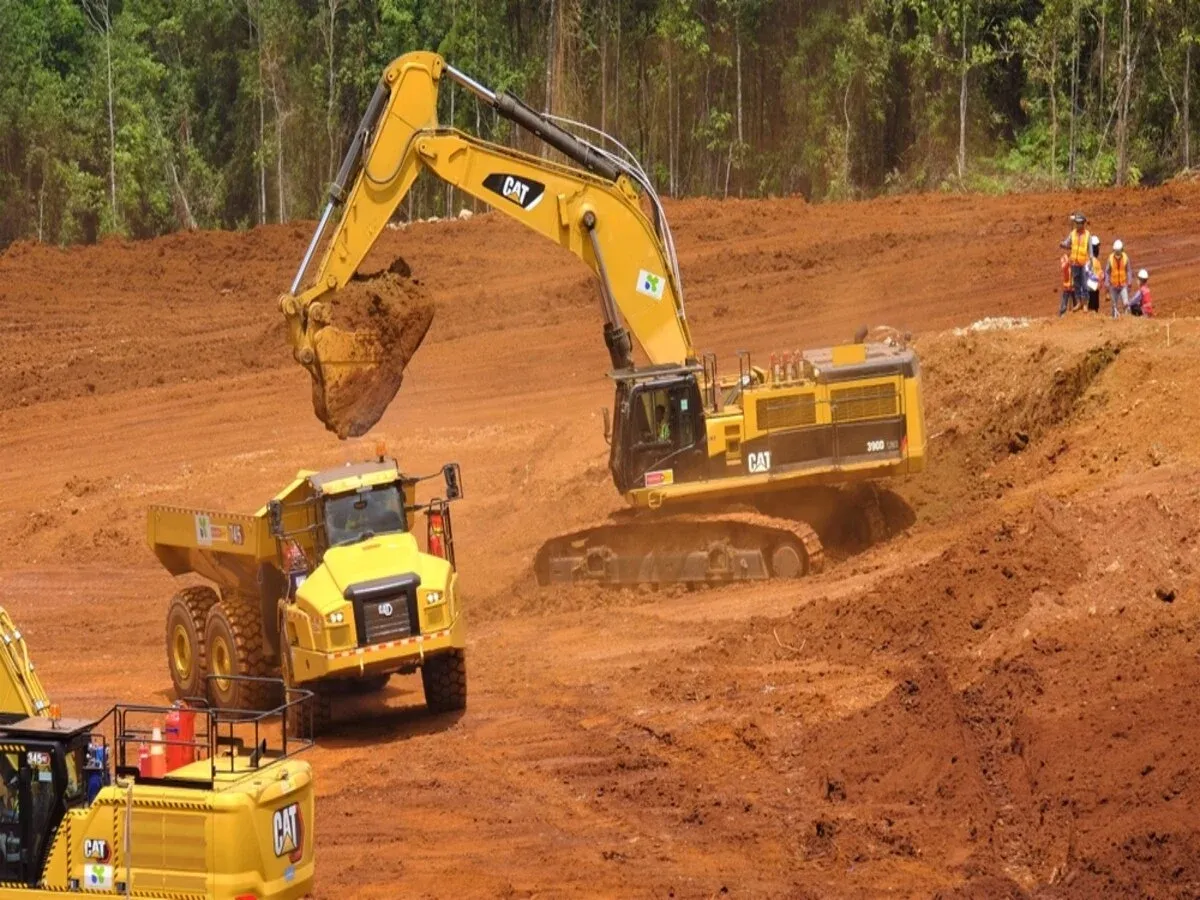
China controls nearly 90% of the production and processing of REEs | Image: Shutterstock
Countries around the world are racing towards a new gold rush. Rare-earth elements (REEs) are essential components of everyday items like smartphones, laptops, LED bulbs and EVs, making them extremely sought after.
What are rare-earth elements?
REEs are a set of 17 metallic elements found in the Earth’s crust. Contrary to popular belief, they are not ‘rare’ but found in abundance. However, these minerals are spread out across the planet. The real challenge isn't finding them, but finding a single spot where they are concentrated enough to make mining them worth the cost.
But why are we talking about REEs so much now when they have been around for hundreds of years? Earlier, they were used in small quantities for consumer electronics but today they have become a crucial part of everyday life. The demand for them has increased exponentially in recent years, with growing use of smartphones and EVs.
How REEs have trickled into our lives
Talking about your smartphone, here’s the role REEs play in its functioning. Neodymium, used to produce the world’s strongest magnets, allows your phone speaker to be paper-thin while still producing clear sound. It also powers the "haptic motor" that makes your phone vibrate. The vibrant colors you see on the screen are produced by phosphors, a material used to emit luminescence. The motors in EVs like Tesla use neodymium and dysprosium magnets which allow the car to travel further on a single charge.
Take electric vehicles for instance. One EV motor requires roughly 1-2 kg of rare-earth magnets made from REEs like neodymium and dysprosium. A standard electric vehicle (EV) motor depends on permanent magnets to turn electricity into motion. While 1–2 kg might sound like a small amount in a car that weighs 2,000 kg, that small mass does the heavy lifting for the vehicle. These magnets are made from neodymium and dysprosium, 2 of the 17 REEs.
According to the IEA Global EV Outlook 2025, electric cars are projected to account for over 40% of all car sales by 2030. Wind turbines use hundreds of kilograms of neodymium and dysprosium to operate efficiently. Everything from night-vision goggles to missiles and nuclear submarines relies on these elements. The expansion of data centres to power the AI boom has caused a further spike in demand. AI chips and efficient cooling systems require the use of specialised rare-earth alloys. In other words, they are crucial for green energy and defence technologies.
Why countries need REEs
REEs are critical resources for both developing and developed nations. Not all possess sufficient quantities of these minerals and hence have to depend on international supply chains to meet their needs. Some others are investing in mining and refining them on their own which is a tedious process in itself.
China controls nearly 90% of the production and processing making it a primary player in the supply chain for defence and clean energy. If this supply stops, it would lead to massive disruptions. Many countries are now scrambling to mine and refine REEs in order to meet their needs. China, US and Myanmar are top producers of rare earths, while China, Brazil, Vietnam and Russia hold the largest reserves. India, too, holds substantial rare-earth reserves, but its production capacity is low.
President Trump is trying to reduce the US’s dependence on China for rare earths. He has been pushing for mineral rights in Greenland and the Greenland Framework deal he announced in Davos this year includes mineral rights for the US. After all, Greenland has the eighth-largest rare earth reserves in the world at 1.5 million metric tons, according to 2024 data from the US Geological Survey.
Similarly, India too wishes to become self-sufficient. The country has announced dedicated Rare Earth Corridors across four mineral-rich states to strengthen domestic supply chains. The Union Budget 2026–27 launched these corridors in Odisha, Kerala, Andhra Pradesh, and Tamil Nadu, backed by a 7,280 crore scheme approved in Nov 2025 to power domestic manufacturing and reduce reliance on imports.
Since conventional mining is a challenge for nations, these coveted materials are also being harvested from e-waste. However, the global recycling of REEs is estimated at just 1% with a vast majority of REEs ending up in landfills. There is a lack of infrastructure and legislation around this circular economy.
The race for REEs is on
As China maintains its stronghold on processing, the aggressive pursuit of mineral independence by other nations points to a new era of geopolitics. Harvesting e-waste, building self-sustaining supply chains, efficient production and processing, and adequate technological advancements are all needed to make nations self-sufficient in REEs and break China’s monopoly over the building blocks of modern life.
About The Author
Next Story



