
Personal Finance News
Buying property from an NRI? New income tax rule simplifies TDS filing: How to file Form 141

4 min read | Updated on October 19, 2026, 16:25 IST


SUMMARY
Buying property from an NRI? From October 1, 2026, eligible buyers can use Form 141 Schedule E without obtaining a TAN. Know the new TDS filing process.
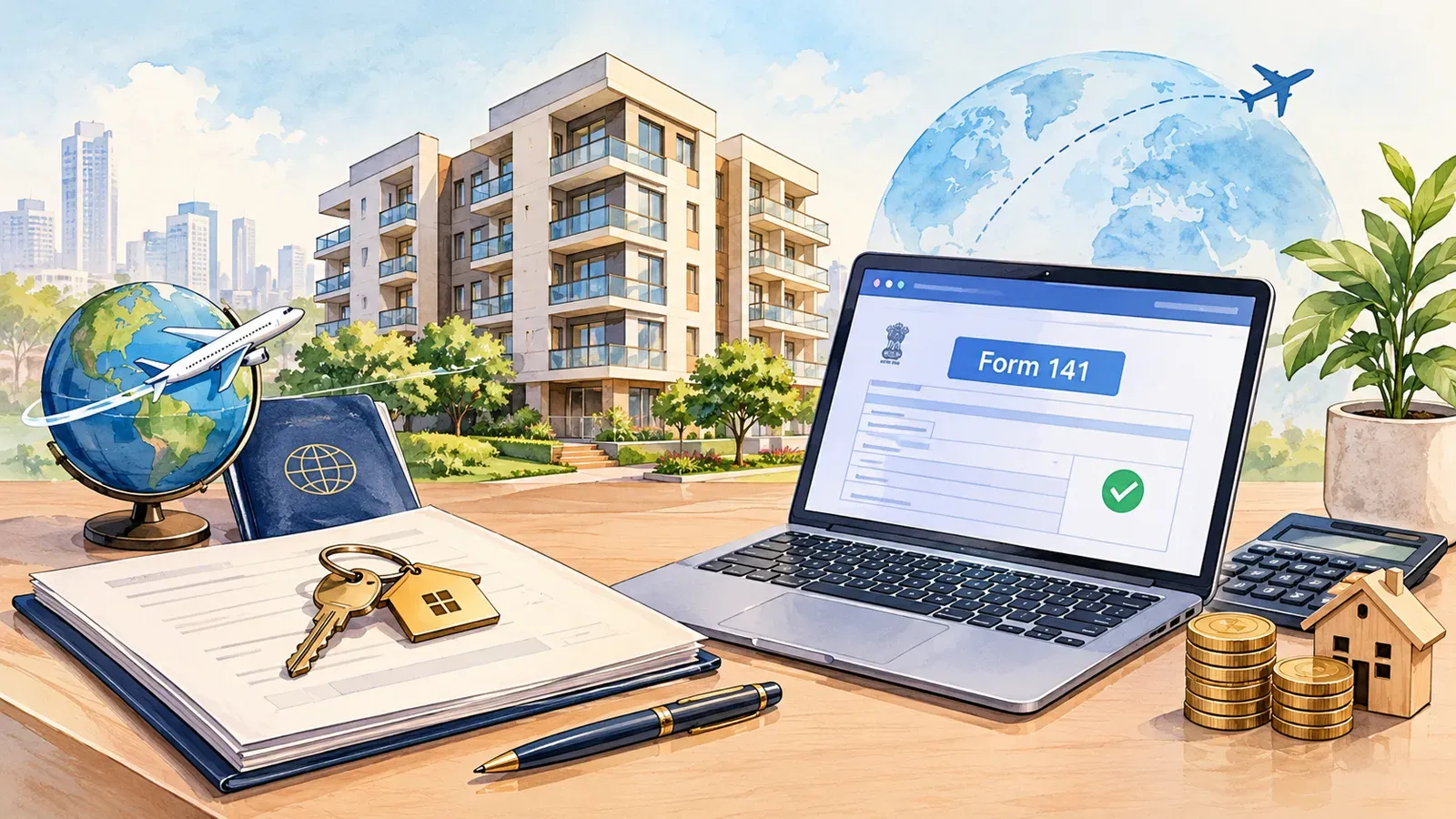
From October 1, 2026, eligible resident individuals and HUFs purchasing immovable property from non-resident sellers can use Schedule E of Form 141 to report the transaction through the Income Tax e-Filing portal using their PAN.
The Income Tax Department has introduced Schedule E of Form 141 to facilitate TDS reporting and payment for such property transfers through the Income Tax e-Filing portal using the buyer's PAN.
What has changed under Form 141?
Following the provisions introduced through the Finance Bill, 2026, obtaining a TAN is no longer mandatory for these transactions from October 1, 2026.
The transaction can now be reported through Schedule E of Form 141 on the e-Filing portal.
Which transactions does Schedule E cover?
Schedule E facilitates reporting of TDS on the transfer of immovable property by a non-resident to a resident individual or HUF under Section 393(2), Table Serial No. 17, of the Income-tax Act, 2025.
How to file Form 141 Schedule E
-
Log in to the Income Tax e-Filing portal using your user ID and password.
-
Navigate to e-File then e-Pay Tax.
-
Select New Payment and click Proceed on the Form 141 payment option.
-
Select the appropriate deductee type: Corporate Deductee or Non-Corporate Deductee.
-
Enter the required deductor particulars, including the tax year, month of deduction and nature of transaction.
-
Provide the property details, including property type, address, stamp duty value, sale consideration and payment method.
-
Enter the details of all buyers and sellers, along with the required transaction and TDS information.
-
Select the payment mode, review the details and click Pay Now to complete the payment through the bank's payment page.
-
After successful payment, the taxpayer can download the challan receipt. Payment details and the receipt are also available under Payment History on the e-Pay Tax page.
What details must buyers provide?
-
Type and complete address of the immovable property.
-
Agreement date and registration date, if available.
-
Total stamp duty value and total sale consideration.
-
Whether payment is being made in a lump sum or instalments.
-
Details of all buyers, including PAN and respective ownership shares.
-
Details of all sellers, including PAN, name, status, contact information, overseas residential address and proportionate share in the property.
-
Transaction details, amount liable for TDS, deduction rate, amount deducted and relevant dates.
The form also provides fields for Tax Residency Certificate and Tax Identification Number details.
What if there are multiple buyers or sellers?
The department's instructions specify that the buyers' share percentages must total 100%.
Where multiple deductees are included in a form, they must belong to the same deductee category and have the same month of deduction. Corporate and non-corporate deductees cannot be combined in the same form.
If a property transaction involves both resident and non-resident sellers, separate forms must be filed. Schedule B applies to resident deductees, while Schedule E applies to non-resident deductees.
What happens if the seller's PAN is invalid or unavailable?
The department's guidance specifies that, to avoid deduction at the higher rate prescribed under Section 397(2), the following details must be provided where the seller's PAN is invalid or unavailable:
Address in the country or specified territory outside India where the seller is resident.
-
Tax Residency Certificate.
-
Tax Identification Number.
If these details are not furnished, tax is required to be deducted at the higher rate prescribed under Section 397(2).
Related News


About The Author
Next Story

