
Personal Finance News
5 biggest yet less talked-about ITR filing mistakes taxpayers may make in AY 2026–27

5 min read | Updated on June 24, 2026, 13:55 IST


SUMMARY
Last year, Schedule FA mistakes resulted in notices. You can avoid this by correctly filing the schedule this year. In case of any confusion, you should seek help from a tax expert.
Here are some less talked about ITR filing mistakes of 2026.
As the ITR filing for AY 2026-27 gains momentum, many taxpayers are likely to make errors in their returns. While some mistakes can be rectified later without any consequences, others may come back to hurt taxpayers in the form of notices, scrutiny, denied refunds, and more.
-
Making errors in capital gains reporting
-
Not reporting all incomes, including income from previous employers or freelancing
-
Waiting till the last week, or the last date to file ITR
-
Not reporting all bank accounts
-
Not declaring rental income properly
-
Assuming you do not need to file ITR
-
Not reporting interest income
-
Not reporting tax-free incomes
-
Not clubbing incomes
-
Not reporting large transactions correctly
-
Not verifying return
-
Not reporting gifts
In the lead-up to the ITR filing due date for AY 2026-27, this article lists the five biggest yet less talked-about return filing mistakes that many taxpayers could make in 2026. Let's dive in
I have purposely listed this mistake at the top. I believe this is likely to be the biggest mistake many taxpayers will make for AY 2026-27, especially as the trend of investing abroad or holding foreign assets has gained significant momentum in recent years.
In the last few days, you may have come across posts by individuals claiming they did not need any expert help to file their ITRs this year, and that AI tools filed their returns for them without any hassle. While using AI for filing ITRs may sound fancy, we have not yet reached a stage where AI platforms can be fully trusted for mandatory compliance like filing ITRs.
AI may help in cases where the ITR filing is straightforward. For instance, if you have just one or two sources of income, with no capital gains or no losses to carry forward, AI may help file such returns quickly. However, there is already a quicker and safer way to file such simple returns without risking your personal financial data: Simply log in to the ITR e-filing portal, where most of your financial data is already pre-filled. You can cross-check the details and complete the filing process. It doesn't take much time.
This comes third in the list, but it could be first as well. Most tax-filing mistakes are made by taxpayers who fail to fully understand what exactly they are supposed to report and how. Sometimes, taxpayers even misinterpret provisions to suit their needs and end up making mistakes in their ITRs. Many also try to save on expert fees and file their returns themselves. While there is nothing wrong with doing so, filing a return without having a proper understanding of all the rules and the nuances can backfire in the form of notices. Therefore, it is always better to seek expert help when you are unsure, especially if you have multiple sources of income or large refunds to claim.
This mistake is not new, but we do not talk about it much. In the past, many taxpayers used to claim deductions like HRA, health insurance, political donations, etc., without having any proof and often got away with it. But not anymore. The income-tax department now uses advanced tools to identify discrepancies in returns and income and promptly sends notices. Therefore, you should always maintain proper documentation when claiming deductions so that you can defend yourself in case of any income tax notice in the future.
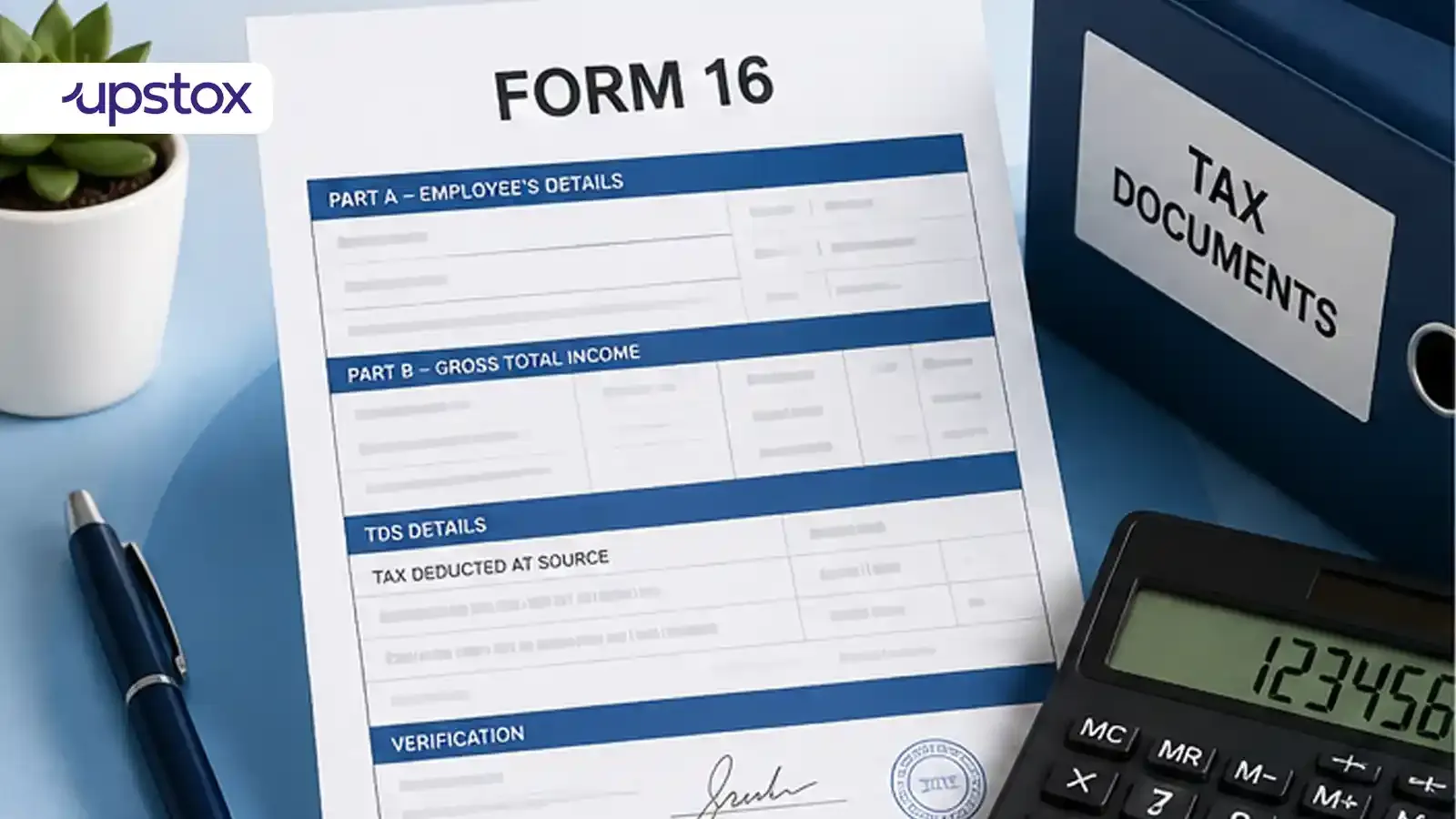
Some taxpayers are always in a hurry and take the return filing very casually. Such taxpayers often file their returns without reconciling their financial data with documents such as the Annual Information Statement (AIS), Form 26AS, and Form 16. It is important to ensure that the data in these documents matches, as any discrepancy could become a trigger for a tax notice in the future. In case you notice any errors in these documents before filing, you should take steps to get them corrected.
Related News
About The Author
Next Story

