
Personal Finance News
What will happen if you do not pay your full credit card bill?
.png)
3 min read | Updated on April 23, 2026, 11:24 IST


SUMMARY
As per the RBI’s FAQs, in case a cardholder makes only a partial payment towards the card dues by the due date, then in such a case, the interest-free credit period will be lost

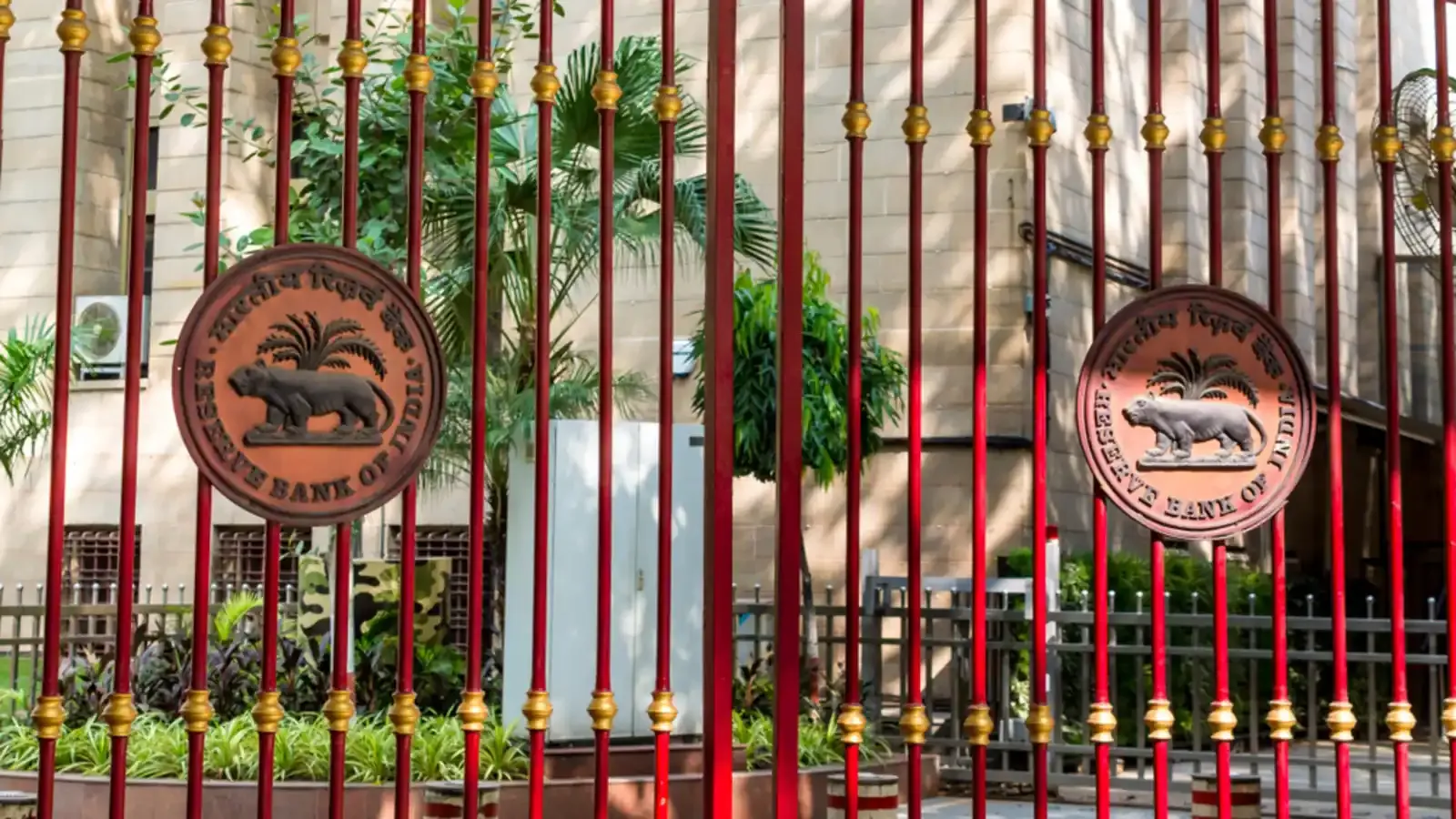
you are considered a defaulter by these credit card issuers when you do not pay your credit card dues, more specifically the minimum amount due, for six straight months. Image: Shutterstock
Credit card bills are issued every month based on your utilisation of the credit limit, and if you clear the total dues on time, you are able to avail one month of interest-free credit. Nonetheless, the problem arises and compounds in a case when you do not clear the liability in due time, and it keeps on adding to your total debt.
Typically, you are considered a defaulter by these credit card issuers when you do not pay your credit card dues, more specifically the minimum amount due, for six straight months.
As per the RBI’s FAQs, in case a cardholder makes only a partial payment towards the card dues by the due date, then in such a case, the interest-free credit period will be lost, and interest may be levied from the date of transaction on the outstanding amount (adjusted for payments/refunds/reversed transactions as and when credited) and not on the total amount due.
Further, late payment fee and other charges relating to delay in payment shall be levied only on the outstanding amount (adjusted for payments/refunds/reversed transactions as and when credited) after the payment due date and not on the total amount due.
Ravi Singh, MD, Airmoney Services India Pvt Ltd. is of the view that if one doesn't clear a full credit card bill, the remaining amount doesn’t just sit there; it starts piling up with quite high interest, often around 30-45% a year. If you miss the due date, there’s a late fee added on top of that. Paying just the minimum due might keep your account from being flagged, but the rest of the balance keeps attracting interest, which can slowly become a burden if it continues.
And if you skip even the minimum payment, it can impact your CIBIL score, making it tougher to get loans or credit later. These charges are largely in line with norms set by the Reserve Bank of India, so the structure is fairly similar across banks, he added.
The RBI has also mentioned guidelines of default reporting to Credit Information Companies, and as per its FAQ, the RBI states that before such mention of default to the CICs, a sufficient notice to the cardholder about the intention to report him/ her as a defaulter to the Credit Information Company.
The procedure should also cover the notice period for such reporting, as well as the period within which such a report will be withdrawn in the event the customer settles his dues after having been reported as a defaulter.
Banks/NBFCs should be particularly careful in the case of cards where there are pending disputes. The disclosure/release of information, particularly about the default, should be made only after the dispute is settled as far as possible, it added.
Takeaways for credit card users
Refrain from just paying the minimum amount due, and if possible, try to clear the total amount due, as the interest rate and penalty still get added to your outstanding balance.
If, for some reason you are not able to clear the dues on time, make it a point to get in touch with your card company, seeking any possible relief.
The move will help you lessen the chances of a probable credit score damage and legal action, if any.
Related News

About The Author
Next Story

