
Personal Finance News
UPI vs digital rupee: RBI explores offline e₹ payments using bluetooth and NFC

4 min read | Updated on September 24, 2026, 13:59 IST


SUMMARY
UPI vs digital rupee: RBI explores offline e₹ payments using Bluetooth and NFC, potentially enabling digital transactions without internet connectivity.
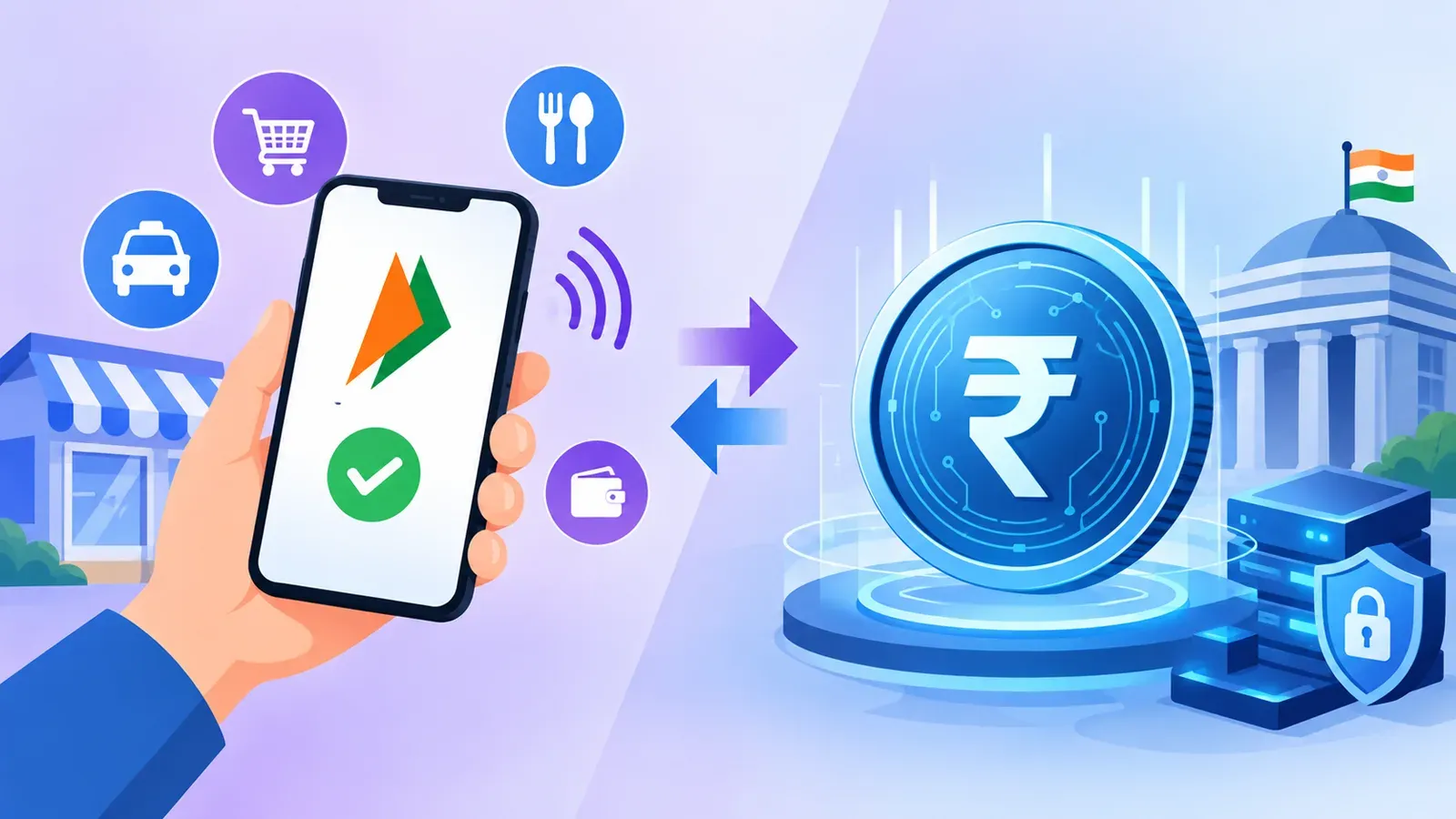
The RBI says that the Digital Rupee is currently being pilot tested through studies in the country, covering both retail and wholesale segments.
What if digital payments could work even when there is no internet connectivity? The Reserve Bank of India (RBI) is exploring this possibility through its work on offline transactions using the digital rupee (e₹).
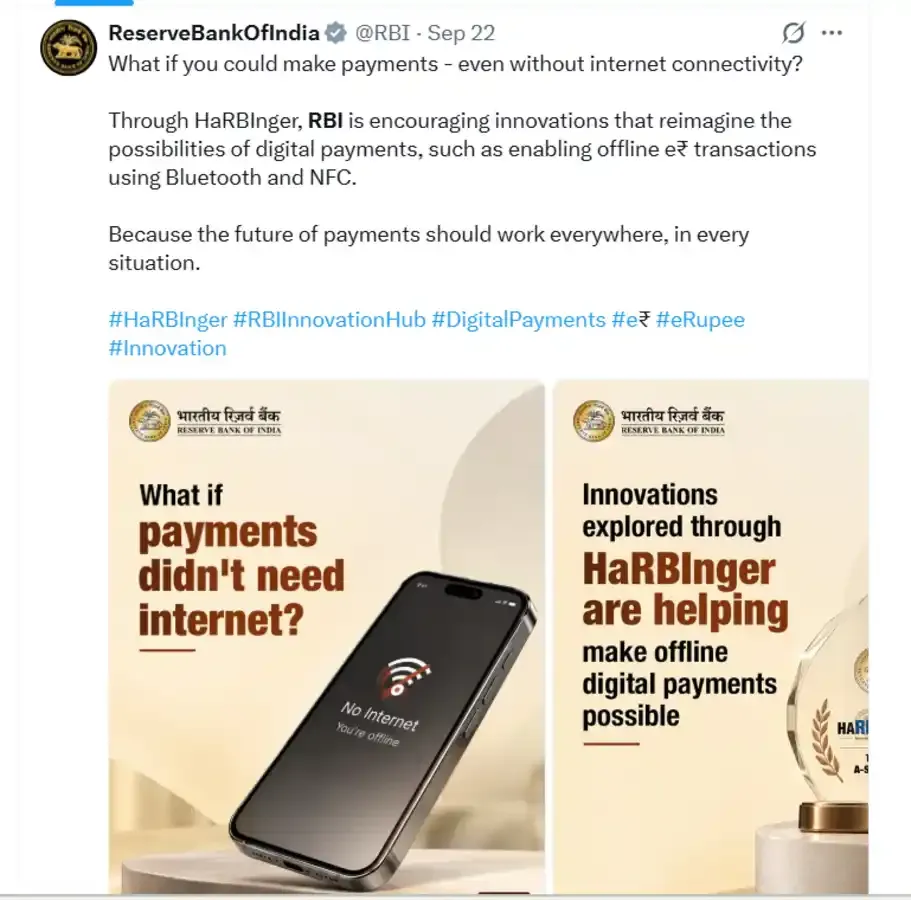
In a recent post on X, the RBI said: “What if you could make payments - even without internet connectivity? Through HaRBInger, RBI is encouraging innovations that reimagine the possibilities of digital payments, such as enabling offline e₹ transactions using Bluetooth and NFC. Because the future of payments should work everywhere, in every situation.”
The RBI's statement highlights the role of its HaRBInger initiative in encouraging innovations around digital payments, including the possibility of making offline e₹ transactions using Bluetooth and NFC.
What is offline e₹?
The RBI's official Digital Rupee FAQ has a specific section on the offline feature of e₹.
According to the central bank, the offline feature of e₹ enables users to transact in locations with limited or no internet connectivity. The RBI says it is expected to mirror the advantages of physical cash and provide a reliable solution for usage in remote areas.
The RBI also says that different solutions are currently being explored.
One solution facilitates transactions without internet but still requires telecom connectivity, while another facilitates transactions by leveraging NFC communication on merchant point-of-sale terminals.
How is e₹ different from UPI?
The RBI makes a clear distinction between the digital rupee and UPI.
Its FAQ states that “e₹ is a digital form of ₹ whereas UPI is a means of payment.”
The RBI further explains that, in addition to being used for payments, e₹ can serve as a store of value. Users can withdraw e₹ from their bank account and keep it separately in their e₹ wallet.
For payments made using a CBDC QR code, transactions take place between two e₹ wallets and are settled instantaneously without passing through the users' bank accounts. The RBI also says that an e₹ app can scan a UPI QR code; in such cases, settlement follows UPI settlement timelines.
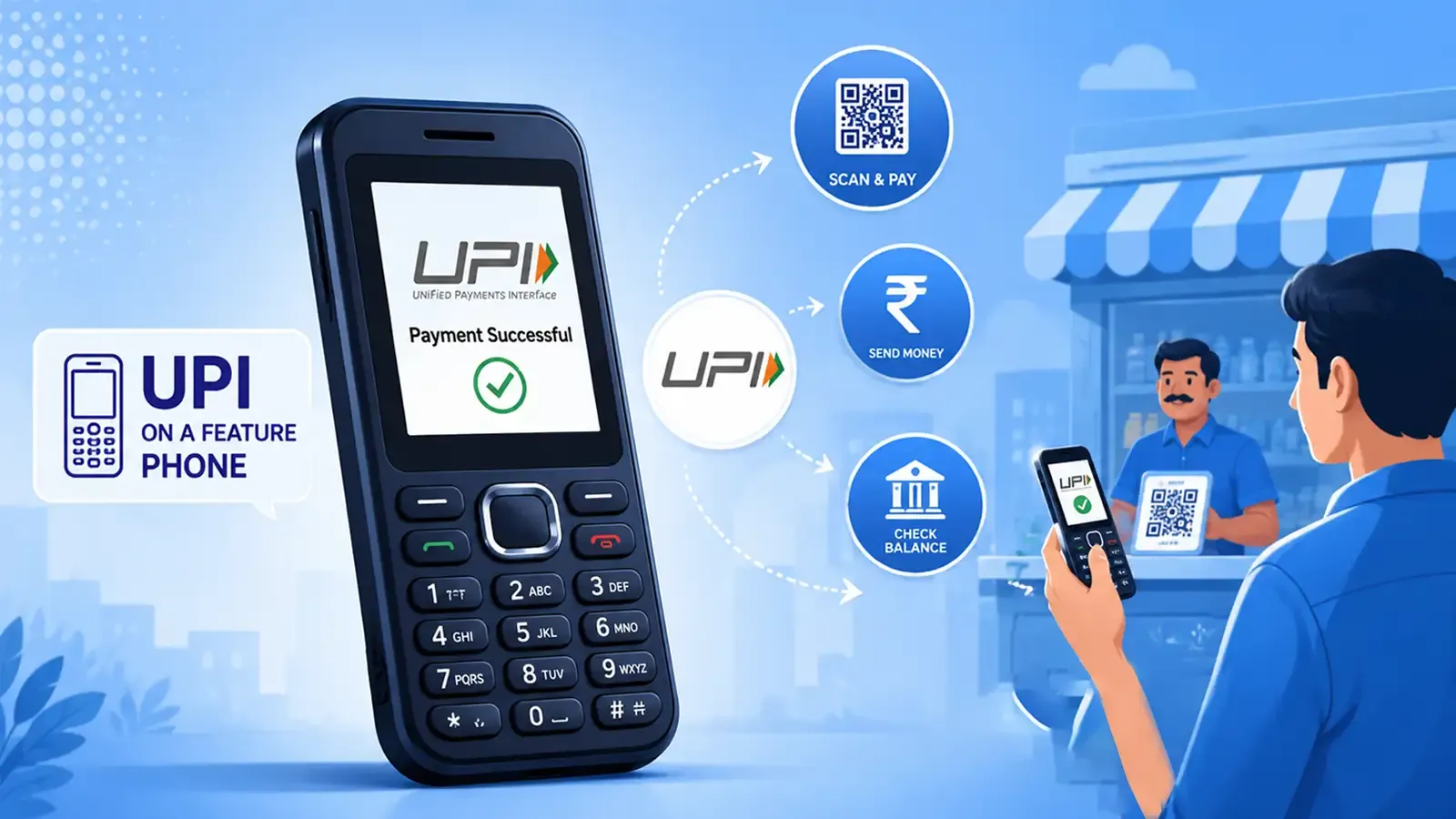
UPI 123Pay enables UPI payments without mobile data
Users can make person-to-person and merchant payments, check their bank balance and view transaction history. Camera-enabled feature phones can also support QR-code payments.
What does the RBI say about offline payments?
The RBI's FAQ does not present offline e₹ as one single technology. Instead, it says that different solutions are being explored.
One approach can facilitate transactions without internet connectivity while still requiring telecom connectivity. Another uses NFC communication on merchant point-of-sale terminals.
The RBI's separate HaRBInger communication adds another important element to this discussion by specifically referring to Bluetooth and NFC for enabling offline e₹ transactions.
The technology is still being explored
It describes the e₹ pilots as limited-scale, controlled roll-outs intended to test the technology, architecture, scalability, applications, features, use cases and acceptance of e₹.
The offline feature is therefore part of this broader process of exploring how digital rupee transactions can work in circumstances where internet connectivity is limited or unavailable.
What could this mean?
The RBI's latest communication points to an important direction in digital payments: making digital transactions possible even when conventional internet connectivity is not available.
For now, the RBI's official FAQ makes clear that offline e₹ solutions are still being explored, while the central bank's HaRBInger communication specifically highlights Bluetooth and NFC as technologies that can be used to enable offline e₹ transactions.
Related News


About The Author
Next Story

