
Personal Finance News
Post Office Savings Account: How to convert existing CIF to e-KYC CIF and transact at any branch

3 min read | Updated on June 29, 2026, 11:28 IST


SUMMARY
A post office branch can convert a customer's existing CIF to e-KYC CIF if a customer wants to operate his/her account on an Aadhaar-authentication basis.

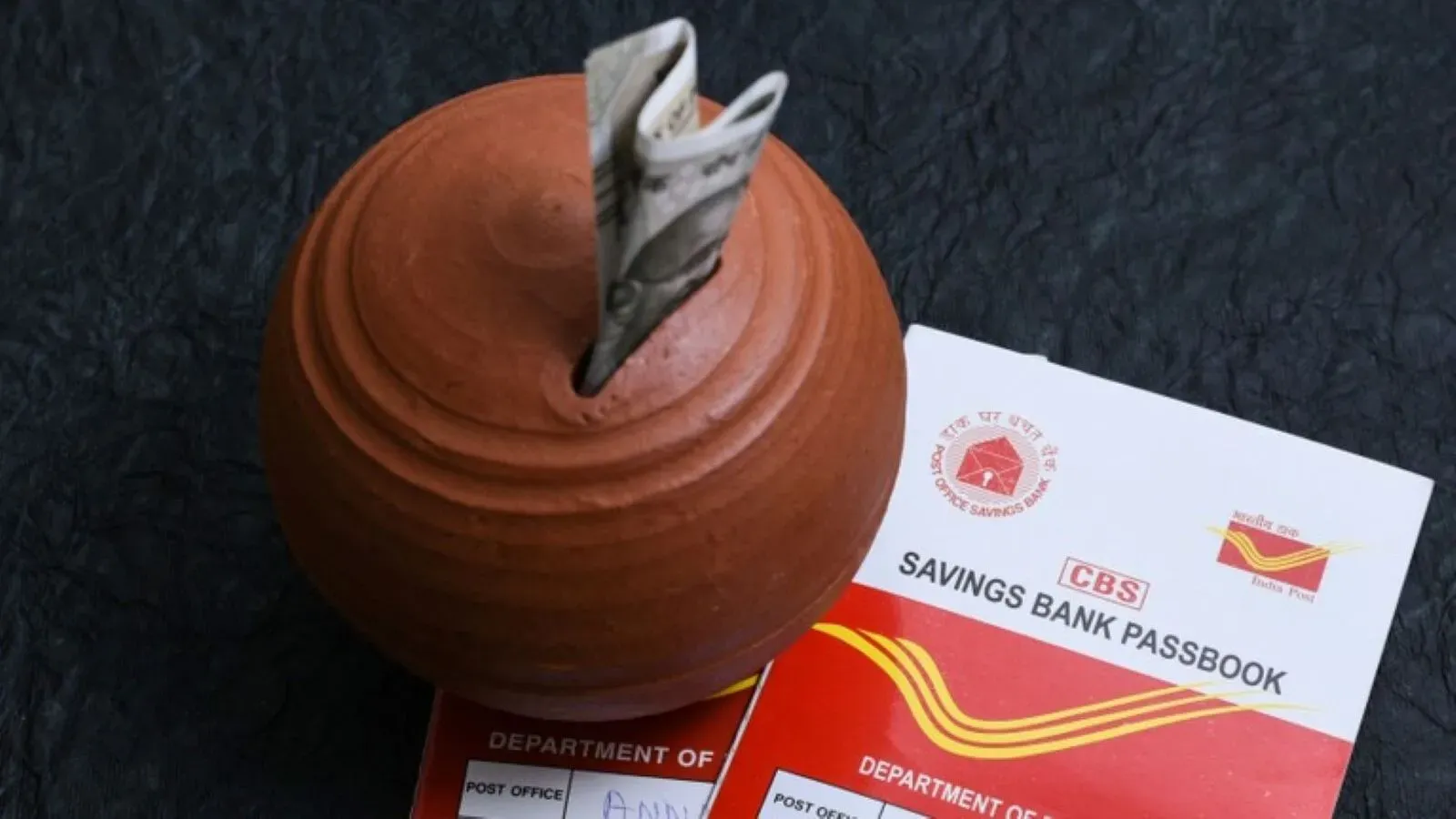
Now customers can convert existing CIF to e-KYC CIF. | Image: Shutterstock
Let’s understand how this can be done and how customers can benefit from the recent order.
How to convert existing CIF to e-KYC CIF
As per the order, the post office branch can convert a customer's existing CIF to e-KYC CIF if a customer wants to operate his/her account on Aadhaar-authentication basis.
"If the existing customers desire to operate their accounts on Aadhaar Authentication basis, CIF may be converted to e-KYC CIF," the Department said.
The conversion will be allowed only if the mobile number and Aadhaar number of a customer are linked to the CIF.
"If there is no mobile number or Aadhaar number linked in the CIF or if the Aadhaar number is linked with more than one CIF, BPM should obtain the request of the customer for updations of the mobile number or Aadhaar number or both as the case may be, and send the request to Account Office for updations of mobile number or Aadhaar number or both in the CIF," the Department said.
So, if your Aadhaar and mobile numbers are linked in existing CIF, you can visit a post office and request to convert it to e-KYC CIF.
In case your Aadhaar and mobile numbers are not linked, then in that case also you can apply for updation. According to the order, if the branch post master (BPM) is satisfied, s/he will follow the below process in the Digital Rural Enterprise Application for Mobiles (DREAM) app:
-
Click ‘Core Banking Services’ from the menu in home page.
-
Click on ‘Re-KYC’
-
Enter the Customer ID (CIF ID)
-
Enter the Aadhaar Number
-
Click on ‘Submit’
-
Click on the Consent Check Box (The BPM is expected to explain the customer about the e-KYC consent in local language.)
-
Click on biometric authentication and obtain the bio-metric of the customer
The BPM will request the customer for capturing biometric and on successful authentication, the existing details viz. Name, Date of Birth (DOB), Gender, Address with City, Pin code, State and Country of the customer, and the details received from UIDAI will be displayed on the screen.
"If the name, DOB and Gender matches with those in the Aadhaar database CIF will be converted into e-KYC CIF. If the percentage of match is not as prescribed, the customer shall be requested to update the Aadhaar with correct name, gender and DOB," the Department said.
After all the above steps, existing CIF will successfully be changed to e-KYC CIF. However, the CIF ID will remain unchanged.
Transact at any branch
Along with the introduction of the Aadhaar-authenticated e-KYC, the Department of Post has decided to introduce Branch post office (BO) interoperatibility. "...the BOs shall henceforth, be enabled to perform transactions in an account standing in any post office, through Aadhaar authentication."
However, non-Aadhaar authenticated transactions will continue to be performed only in the accounts standing in the same BO.
Related News


About The Author
Next Story

