
Personal Finance News
Kisan Credit Card scheme: How banks will calculate your drawing limit from January 1, 2027
.png)
3 min read | Updated on June 22, 2026, 16:39 IST


SUMMARY
The Kisan Credit Card scheme, in existence since 1998, aims to provide timely and adequate financial assistance to farmers for their agricultural and other needs.
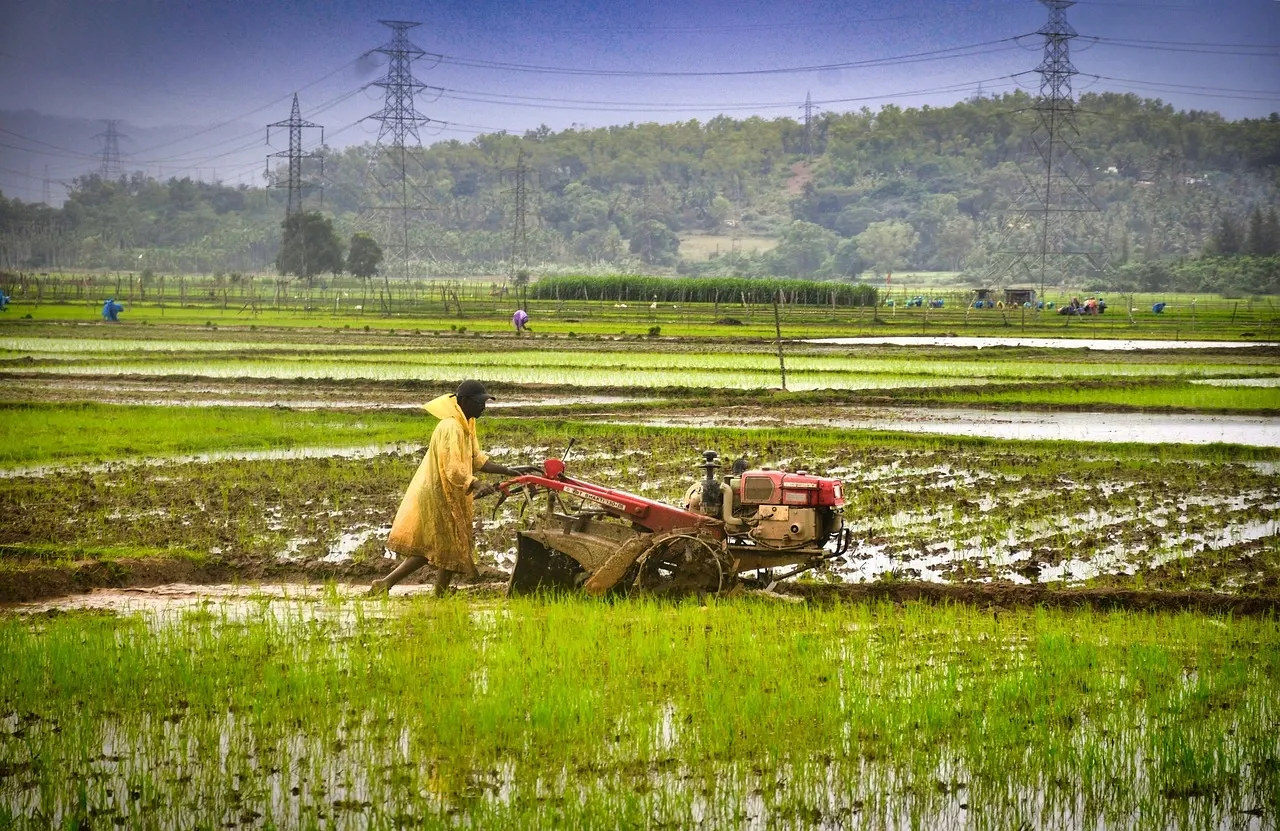
In 2019, the Kisan Credit Card scheme was expanded to include the working capital needs of allied activities like animal husbandry, dairy, and fishing. | Image: Pixabay
The Reserve Bank of India (RBI) last week issued the Reserve Bank of India [Commercial Banks - Kisan Credit Card (KCC) Scheme] Directions, 2026, which will govern loans sanctioned under the KCC Scheme with effect from January 1, 2027.
The Kisan Credit Card scheme, in existence since 1998, aims to provide timely and adequate financial assistance to farmers for their agricultural and other needs. The credit facility, launched by the Government of India and NABARD, provides farmers with flexible, low-cost and timely access to short-term institutional credit.
How drawing limit will be calculated under KCC
Under the new guidelines, the amount that can be drawn under KCC will largely depend on the crop-wise Scale of Finance (SoF) notified for a particular region. Under the KCC framework, the SoF refers to the estimated cost of cultivating a specific crop in a particular region and is generally expressed in rupees per acre or hectare.
Accordingly, the directions lay down guidelines for calculating the drawing limit by banks. Here are the key factors that will be considered while calculating the drawing limit:
-
The drawing limit for each crop season will be the sum of the Scale of Finance notified by the state or district authorities for the relevant crop for the current crop season, multiplied by the area under cultivation. It will also include: 10% of crop credit towards post-harvest expenses and household consumption requirements; 20% of crop credit towards repairs and maintenance of farm assets; and Premiums for crop insurance, accident insurance, health insurance and asset insurance.
-
The drawing limit will be reworked if the cropping pattern adopted by the farmer changes in any subsequent season. This will be done after taking into account the crops proposed to be cultivated.
-
If the Scale of Finance has not been notified by the relevant authorities when a farmer applies for a loan, the bank may apply a notional increase of 10% over the Scale of Finance applicable for the previous season and determine the drawing limit for the ensuing season.
-
Where no Scale of Finance has been prescribed for a particular crop, the crop credit requirement will remain outside the ambit of the KCC scheme. However, efforts should be made to notify the Scale of Finance for such crops.
-
If there is no revision in the Scale of Finance, banks will continue to use the existing Scale of Finance. The KCC credit limit shall be rounded off to the nearest ₹1,000.
-
At the time of sanction, the Maximum Permissible Limit (MPL) for short-term crop loans shall be arrived at on a notional basis by adding 10% to the limit of the previous crop season from the second crop season onwards. If the drawing limit exceeds the MPL in any crop season or year, the MPL shall be reassessed at the time of review.
-
Marginal farmers will also be eligible for a flexible credit limit of ₹10,000 to ₹50,000 under Flexi KCC, based on the bank's assessment and without linking it to the value of the land.8
Importantly, under the KCC scheme, credit is to be extended as a composite facility with a tenure of six years.
Related News
About The Author
Next Story



