
Personal Finance News
India's next 100 million investors could come from smaller cities, women and Gen Z: EY Report

4 min read | Updated on September 30, 2026, 12:57 IST


SUMMARY
EY India says smaller cities, women and Gen Z could help drive India’s next 100 million long-term investors by 2035, as investment participation expands.

The report highlights a gap between the widespread use of digital financial services and participation in investment products.
Digital access has grown, but investment participation remains lower
The report highlights a gap between the widespread use of digital financial services and participation in investment products.
India currently has more than 550 million active UPI users, compared with around 62 million individuals investing in mutual funds and approximately 50 million actively participating in equity markets, according to EY.
The figures, the report says, point to a difference between access to digital financial services and participation in long-term investments.
Smaller cities could play a bigger role
Participation outside the largest urban centres has already increased. Cities beyond India's top 110 contributed 12% of mutual fund assets under management in FY25, while districts beyond the top 10 accounted for 70% of NSE-registered investors trading in FY25, according to the report.
Younger investors are making up a larger share
Women's participation has also increased. In B30 cities, women accounted for 25% of investors in FY24, up from 20% in FY19, according to the report.
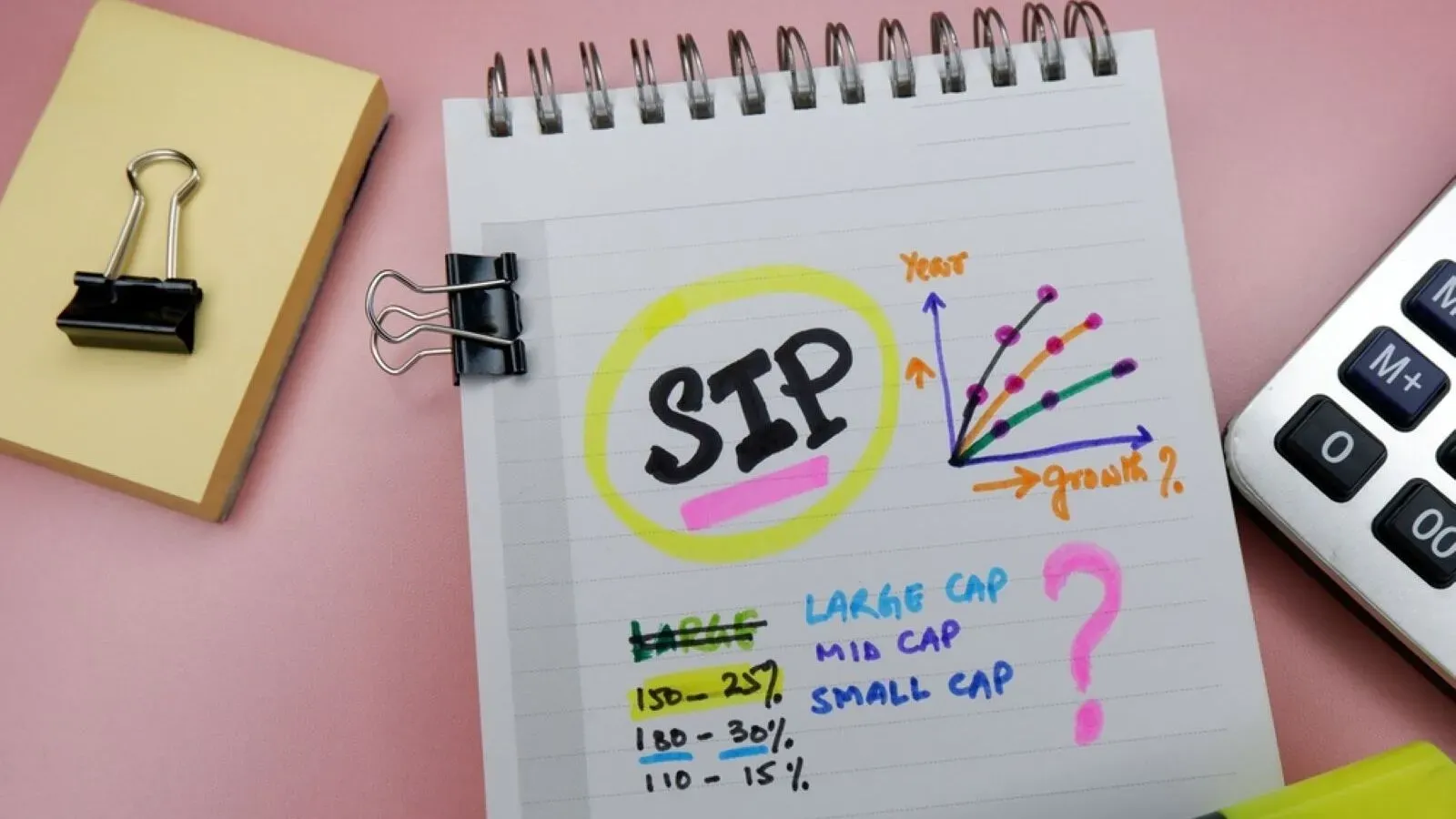
SIPs gain importance in mutual fund investing
The report also points to micro-SIPs of approximately US$2.6 and distribution partnerships covering more than 250,000 rural touchpoints as examples of mechanisms that could help expand access among first-time, underserved and rural investors.
Individual investors account for a larger share of the market
India's investable assets have grown to nearly US$5.2 trillion in FY25, according to the report.
Individual investors accounted for 18.7% of the Indian equity market through direct equity and mutual fund ownership. EY says this is the highest level recorded in more than two decades.
Despite the increase, the report says there remains scope for greater participation in financial markets.
EY proposes a five-layer "Wealth Stack"
The report argues that access to financial products alone may not be sufficient to create sustained investor participation, particularly when investment products can be complex, volatile or difficult for individuals to evaluate.
EY proposes a framework it calls a "Wealth Stack", combining digital identity, payments and recurring investment mechanisms with consent-based financial data, AI-enabled tools, scalable advice and investor-protection measures.
The framework has five layers: access, data, intelligence, advice and trust.
The report says the focus should extend beyond opening investment accounts to factors such as whether investors remain invested, diversify their portfolios and build financial resilience over time.
What EY expects for the investment market
Looking ahead, EY estimates that individual mutual fund AUM could exceed US$3 trillion over the next decade. Individual direct equity holdings could reach approximately US$2.5 trillion to US$3 trillion over the same period.
The report says the progress of wealth inclusion should not be assessed solely through the number of accounts opened or the growth in assets under management. It points instead to measures including investor persistence, diversification, financial resilience and long-term wealth outcomes.
What EY executives said
Pratik Shah, National Financial Services Leader at EY India, said the next phase of growth could come from smaller cities, women investors, young professionals and emerging affluent households.
Vishal Madia, Partner – Wealth and Asset Management at EY India, said digital public infrastructure, consented data sharing, AI-driven intelligence and scalable advice could play a role in expanding participation in long-term investing.
Related News

About The Author
Next Story

