
Personal Finance News
What are the different silver purity grades hallmarked by BIS in India?
.png)
3 min read | Updated on April 17, 2026, 15:23 IST


SUMMARY
As per the latest notification in September 2025, the Bureau of Indian Standards (BIS) for mandatory hallmarking recognises seven grades of silver.
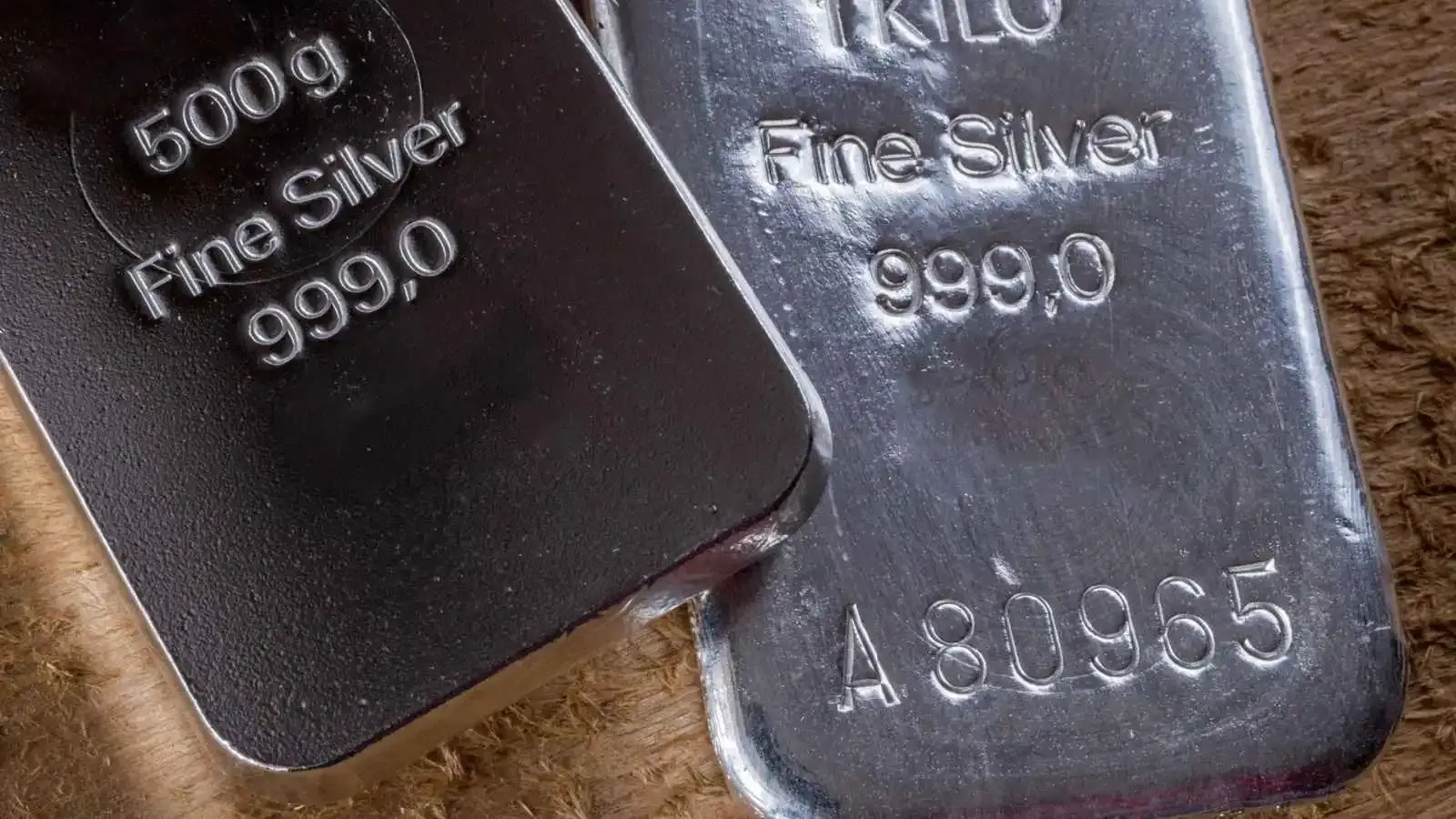
The grades are represented in parts of silver per thousand (fineness) and range between 800 and 999.
Silver prices skyrocketed this year to above ₹4,00,000 at the very beginning of 2026, only to decline later amid all the geopolitical developments. Nonetheless, despite the steep decline of 32% from its peak, most commodity experts see a long-term bull run intact in the white metal. So, if you, as an investor, also want to tap the potential upside in the asset class, here we discuss the different grades of purity on offer in India, such that you make the right choice and can then fetch the right value.
As per the latest notification in September 2025, the Bureau of Indian Standards (BIS) for mandatory hallmarking recognises seven grades of silver. Silver, in its original form, is highly soft, and to render it strong and durable, copper and other metals are added.
The grades are represented in parts of silver per thousand (fineness) and range between 800 and 999.
- 999 (Fine Silver): 99.9% pure, commonly used in the case of investment bars, coins, and high-end items.
- 970 (Traditional Silver): It is again of high purity and is used conventionally in silverware and utensils.
- 958 (Britannia Silver): This grade of silver has 95.8% purity.
- 925 (Sterling Silver): 92.5% pure, this is the standard form used in the case of daily-wear jewellery and other durable items.
- 900 (Coin silver): These silver grades are used for traditional jewellery, decorative, and structural items.
- 835: This grade of silver is an alloy and is used for utensils and ornaments.
- 800: This is the lowest recognised standard grade, and is often used in large utensils and structural decor.
So that you do not fall prey to any fraud and get home the genuine and certified form of silver, always remember to check for BIS hallmarks, together with the logo, purity mark and the HUID code.
Speaking on the verification points for authentic silver purchase, Renisha Chainani Head- Research at Augmont came up with the following criterions to look at before taking the buying decision:
Here are the key checkpoints to verify an authentic silver purchase:
- BIS Hallmark (Mandatory from Sept 2025): Silver jewellery above 2 grams must carry a BIS hallmark under IS 2112:2025. A genuine hallmark includes five components, BIS logo, purity grade, Assaying & Hallmarking Centre mark, jeweller's ID, and a unique 6-digit alphanumeric HUID code.
- Purity Grade Stamp: Approved silver grades are 800, 835, 900, 925, 970, and 990, the most common being 925 (sterling silver).
- BIS CARE App Verification: Scan the HUID via the BIS CARE App; if it returns "Invalid HUID" or "No Record Found," avoid the purchase and report it.
- Beware of Imitations: Items marked "Silver Plated," "EPNS," or "German Silver" are NOT real silver, a common source of consumer fraud.
- Simple Physical Tests: Real silver won't stick to a magnet, and rubbing it on a white tissue should leave a black residue from natural oxidation, both indicators of authenticity.
- Demand a Tax Invoice mentioning the HUID, and always buy from BIS-registered jewellers for legal protection.
Related News
About The Author
Next Story

