
Personal Finance News
Missed EMI? RBI's new loan recovery rules explain what banks can and cannot do

4 min read | Updated on August 07, 2026, 14:30 IST


SUMMARY
The RBI said banks cannot deploy technology-based mechanisms to restrict the functioning of a borrower’s device for recovering loan dues, unless the loan was specifically taken to finance that device.

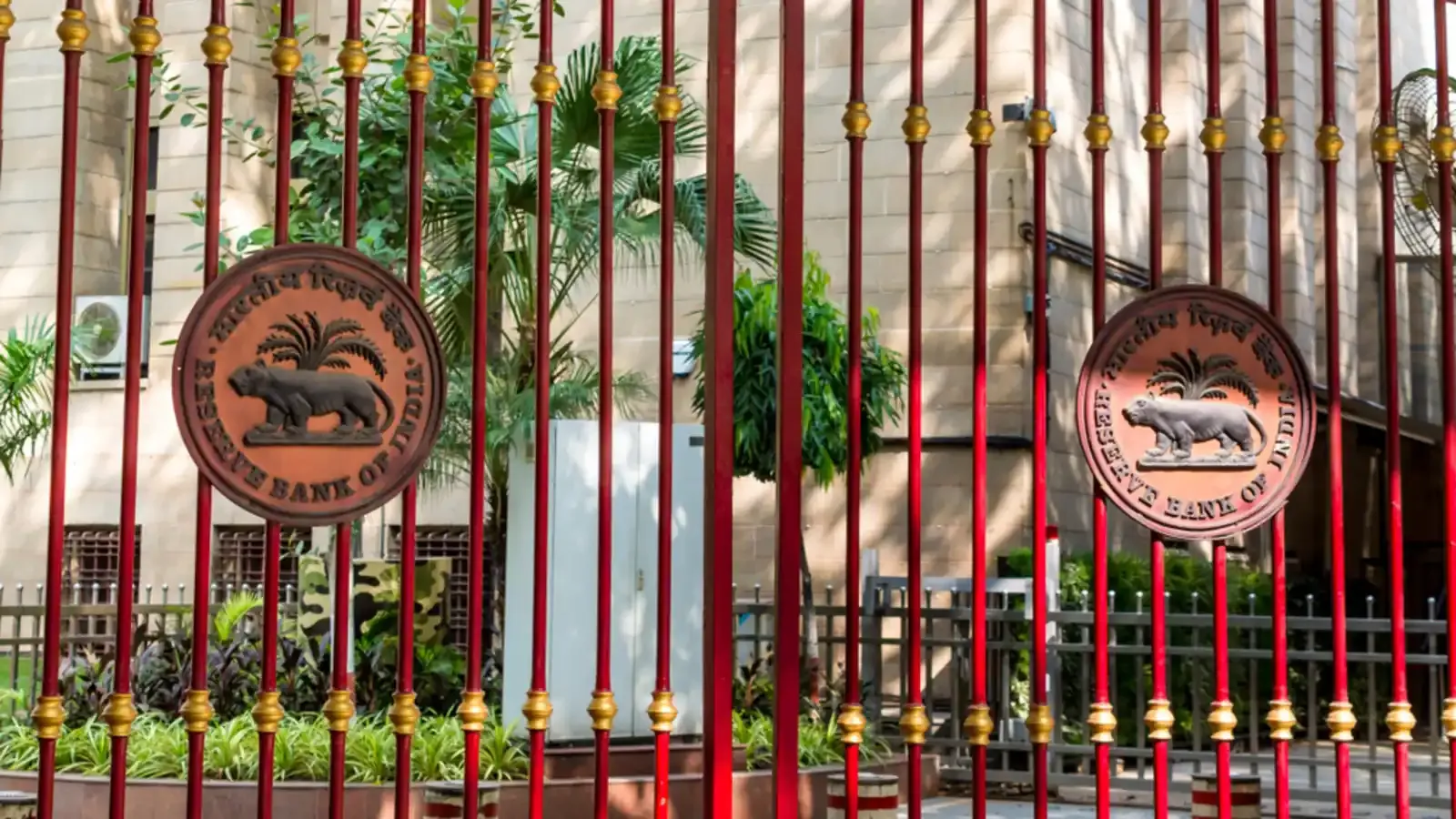
Earlier in May, the central bank had floated a draft on norms regarding 'Conduct of Regulated Entities in Recovery of Loans and Engagement of Recovery Agents'. | Image: Shutterstock.
Missing loan repayments can be stressful, but whether you default on a personal, auto, or house loan, banks are not allowed to use your personal devices as a recovery tool. The Reserve Bank of India (RBI) has barred banks from turning off borrowers' laptops, tablets, and mobile phones except in cases where the device itself was financed by the lender
The new directions on ‘Conduct of Regulated Entities in Recovery of Loans and Engagement of Recovery Agents’ were issued on August 6, 2026, and will come into effect from January 1, 2027.
Banks cannot lock personal devices for loan recovery
“A bank shall not deploy any technology-based mechanism, either on its own or by entering into an arrangement with a third-party service provider, which restricts or disables any of the functionalities of a mobile device of a borrower such as mobile phone, tablet and laptop as a recovery tool, except to recover its loan dues arising out of financing of such a device,” the RBI said.
This means that the bank cannot disable a borrower's phone or laptop as a recovery tool if they have missed payments on a home loan, auto loan, or personal loan.
However, if a bank had financed the purchase of the device, restrictions may be allowed subject to RBI’s safeguards.
Even financed devices cannot be disabled immediately
The RBI has said lenders must follow a gradual process before restricting device functions.
“The bank shall adopt a gradual approach rather than disabling the device, ab initio,” the central bank said.
Banks must provide due notice to borrowers and cannot begin restrictions until the related loan has become 30 days past due and dues remain unpaid despite notices.
The RBI has also said full restrictions can be imposed only after the loan becomes 60 days past due, as per the loan agreement.
Borrowers will continue to have access to essential functions.
“The bank shall not restrict/disable functionalities deemed essential, such as access to incoming calls, SMS and emergency SOS features,” the RBI said.
Recovery agents cannot harass borrowers
The RBI has also tightened rules for recovery agents appointed by banks.
Banks must ensure that borrower information shared with employees and recovery agencies is limited only to what is required for recovery work.
“A bank shall ensure that the disclosure of any borrower’s / guarantor’s information to its employees/recovery agencies is limited to the extent required to enable them to discharge their loan recovery related duties,” the RBI said.
The directions also require banks to ensure recovery agents maintain proper conduct. Agents cannot use abusive language, threaten borrowers, publicly shame them through social media or contact relatives, friends or colleagues to intimidate them.
Borrower data on phones cannot be accessed
The RBI has also put restrictions on the use of personal data stored on borrowers’ devices.
Banks and third-party service providers using device-locking technology cannot access information such as contacts, SMS, call logs, photos or location history for loan recovery.
“A bank and its third-party service provider engaged for deployment of the technology-based device locking mechanism shall not access or make use of the personal data (such as contacts, SMS, call logs, photos, location history, etc.) available in the mobile device of a borrower for the purpose of loan recovery or any other purpose under any circumstances,” the RBI said.
What borrowers should know?
The new RBI rules do not mean borrowers can avoid repayment. Loan dues, interest and the impact of missed payments on credit scores continue to apply.
However, the directions set boundaries on how banks and recovery agents can approach borrowers. The focus is on ensuring that recovery happens through regulated processes rather than through intrusive or unfair methods.
For borrowers facing financial difficulty, the RBI’s framework also requires banks to have systems for handling cases involving financial distress and providing guidance on available resolution options.
Earlier in May, the central bank had floated a draft on norms regarding 'Conduct of Regulated Entities in Recovery of Loans and Engagement of Recovery Agents'.
The RBI received several feedback on the draft.
The RBI said suggestions were received to ensure that only secure, compliant, and tested device-locking technologies are deployed by regulated entities (REs), while preventing the proliferation of unlicensed or unreliable software solutions.
Related News


About The Author
Next Story

