
Personal Finance News
RBI proposes changes to loan interest rate rules to improve transparency

4 min read | Updated on August 05, 2026, 15:25 IST


SUMMARY
"To enhance transparency in lending rates and strengthen consumer protection, it is proposed to harmonise and standardise the regulatory framework on interest rates on advances for all regulated entities," RBI Governor Sanjay Malhotra said while unveiling the third bi-monthly monetary policy review for the current fiscal.
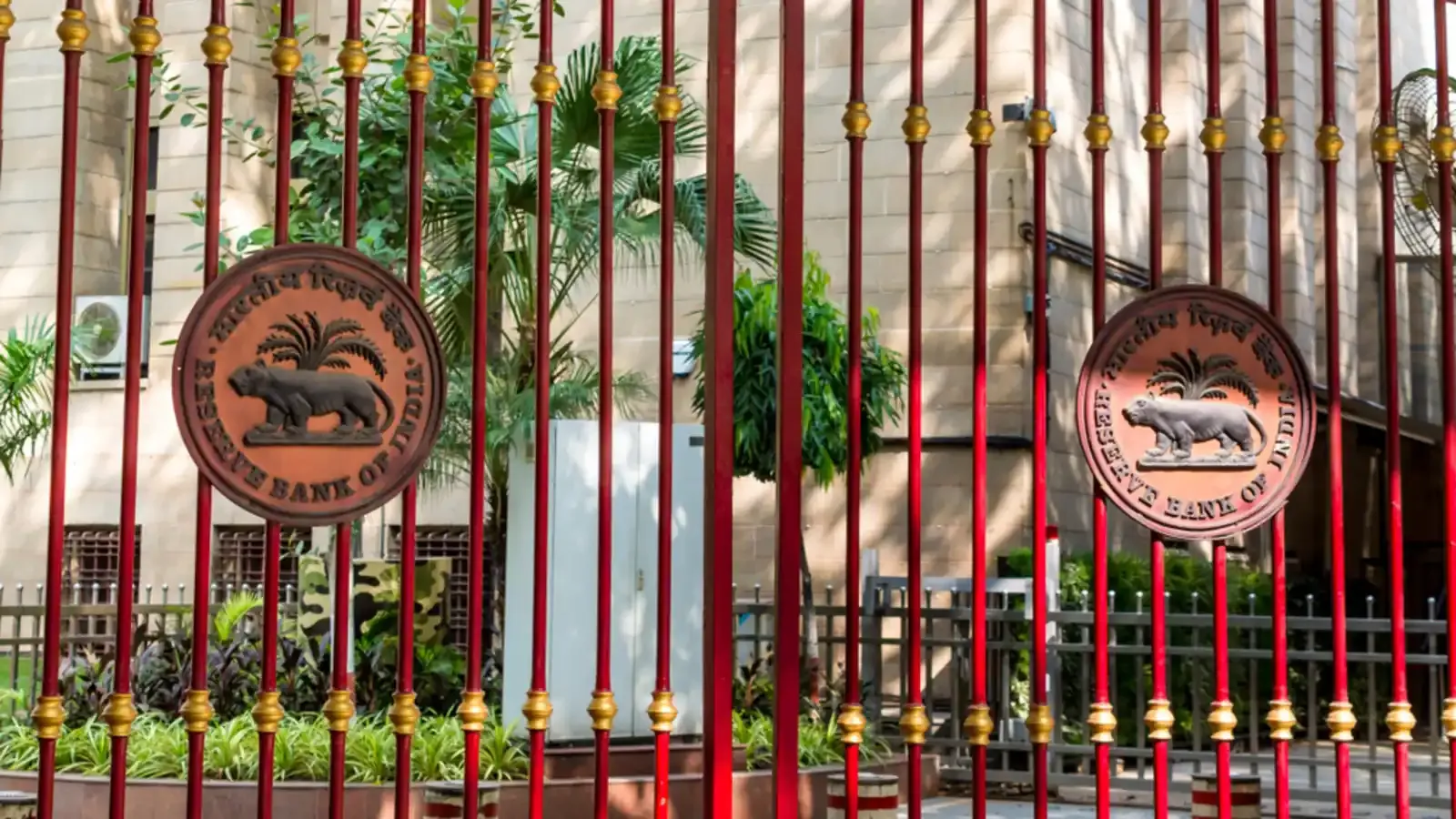
The Reserve Bank of India kept its benchmark policy rate unchanged for a fourth consecutive meeting on Wednesday. | Image: Shutterstock.
The Reserve Bank of India (RBI) on Wednesday, August 5, proposed to rationalise the regulatory framework governing interest rates across all regulated entities to improve transparency in loan pricing, strengthen monetary policy transmission and bolster consumer protection.
"To enhance transparency in lending rates and strengthen consumer protection, it is proposed to harmonise and standardise the regulatory framework on interest rates on advances for all regulated entities," RBI Governor Sanjay Malhotra said while unveiling the third bi-monthly monetary policy review for the current fiscal.
"RBI MPC unanimously maintained policy rates in line with market expectations while keeping stance as Neutral. Repo rate is kept at 5.25%. Measures announced in previous policy to attract foreign flows will continue to have positive influence over macro-stability factors. RBI re-emphasised keeping ample banking system liquidity to support economic activity. We expect RBI will continue to conduct Liquidity operations in a way that will keep overnight rate at lower end of the policy corridor," said Amit Somani, Deputy Head – Fixed Income, Tata Asset Management..
The proposed rationalisation aims to harmonise the guidelines across REs while maintaining proportionality, address certain operational aspects of the current framework on MCLR and EBLR; and standardise certain divergent market practices concerning interest charging, including day count convention and benchmark reset dates, RBI said in its statement on Developmental and Regulatory Policies.
These measures seek to ensure uniformity, enhance transparency in loan pricing, strengthen monetary transmission and bolster consumer protection.
"The RBI's move to harmonise lending rate regulations is fundamentally about transparency, not uniformity. At present, banks and NBFCs operate under different regulatory frameworks for determining and disclosing loan interest rates, making it difficult for borrowers to compare loan products across institutions. Standardising the framework addresses that gap.
For borrowers, the immediate benefit is clarity - knowing how their rate is calculated, when it resets, and what the true cost of credit looks like across lenders. That comparability has been missing for too long, particularly for first-time borrowers navigating a fragmented market," said Ananth Shroff- Co founder and CEO at DPDzero.
For better transparency, RBI directed banks to switch to external benchmarks like repo for loans from the earlier Marginal Cost of Funds framework in 2019.
Banks were asked to link all new floating-rate loans for housing, auto and MSMEs to an external benchmark like repo from October 1, 2019, to ensure faster transmission of policy rate cuts to borrowers.
The external benchmarks, to which banks are required to link their lending rates, could be repo, 3-month or 6-month treasury bill yield, or any other benchmark published by the Financial Benchmarks India Private Ltd (FBIL).
Banks are required to reset the interest rate under the external benchmark at least once in three months.
In August 2017, the RBI had constituted an Internal Study Group (ISG) to examine the working of the MCLR system that was put in place in April 2016.
The ISG had recommended the move to an external benchmark based lending rate system.
The Reserve Bank of India kept its benchmark policy rate unchanged for a fourth consecutive meeting on Wednesday, opting to wait for greater clarity on whether higher energy costs triggered by the Iran war feed into broader inflationary pressures.
The six-member Monetary Policy Committee, headed by Governor Sanjay Malhotra, unanimously voted to keep the policy repo rate unchanged at 5.25 per cent and retained its "neutral" policy stance.
Related News

About The Author
Next Story

