
Personal Finance News
SEBI says income tax department relaxes PAN allotment rules for FPIs to streamline onboarding

3 min read | Updated on May 16, 2026, 08:30 IST


SUMMARY
The Central Board of Direct Taxes (CBDT) has relaxed PAN allotment rules for FPIs after Sebi raised onboarding concerns over new disclosure requirements under the Income-tax Rules, 2026.

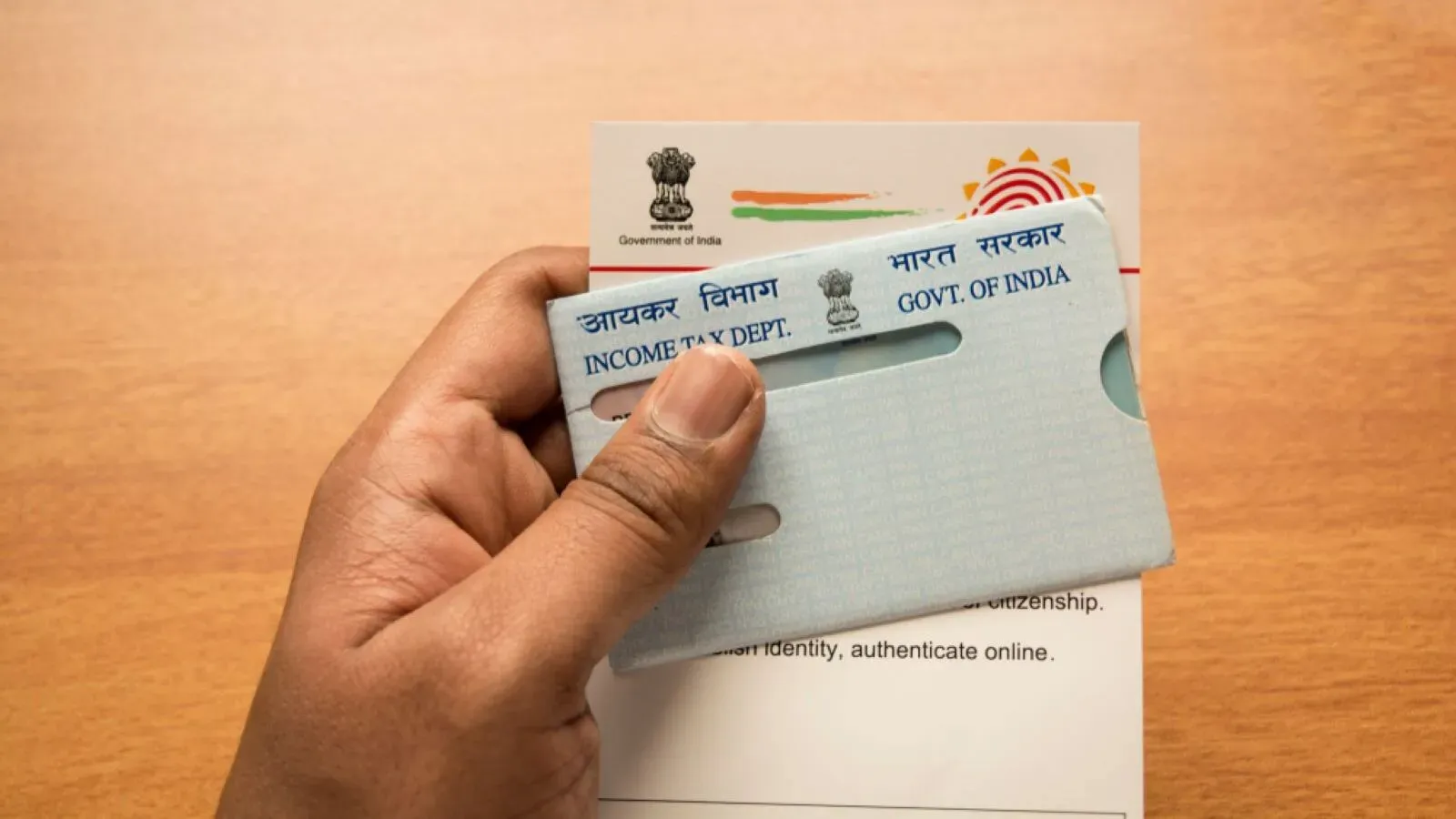
CBDT had notified revised PAN application forms on March 20, 2026 under the new Income-tax Rules. | Image: Shutterstock.
The Central Board of Direct Taxes (CBDT) has relaxed several PAN application requirements for Foreign Portfolio Investors (FPIs) after market regulator Securities and Exchange Board of India (SEBI) highlighted operational difficulties faced by overseas investors under the new Income-tax Rules, 2026.
The move is aimed at ensuring smoother onboarding and faster PAN allotment for foreign investors investing in Indian markets.
“In view of several difficulties expressed by concerned stakeholders in furnishing such information by FPIs, SEBI actively engaged with CBDT to facilitate continued ease of allotment of PAN to FPIs,” SEBI said in a release issued on Thursday.
What triggered concerns
The updated forms introduced additional disclosure requirements, including Taxpayer Identification Number (TIN) and details and documents related to the Representative Assessee (RA) or Authorised Representative (AR).
Certain fields that were optional earlier, such as mobile number, were also made mandatory.
Key clarifications issued by CBDT
Following discussions with SEBI, CBDT has now clarified that the name of the authorised signatory captured in the Common Application Form (CAF) will be sufficient for the RA/AR field.
“In this regard, the liability of the AS named in the RA/AR field is solely limited to the purpose of applying for PAN,” SEBI said.
The regulator added that no supporting documents related to the authorised signatory, representative assessee or authorised representative will be required.
CBDT has also provided flexibility in furnishing contact details.
According to SEBI, FPIs may provide the authorised signatory’s address, mobile number, landline number and email ID “if available”. If such details are unavailable, the corresponding details of the FPI itself can be submitted.
Relief on TIN and identification details
The tax department has also relaxed rules around identity-related disclosures.
The regulator also said CBDT has allowed applicants to enter "0000000000" in the TIN field where such an identification number is not applicable in a particular jurisdiction.
CBDT has also allowed FPIs to furnish a landline number in cases where a mobile number is unavailable.
Why this matters for foreign investors
The clarification is expected to reduce procedural delays and compliance friction for foreign investors entering Indian markets.
"The above measures resonate with the continuous efforts towards providing ease of onboarding to FPIs," the regulator said.
FPIs use a single Common Application Form for registration with Sebi, opening of bank and demat accounts, and issuance of PAN.
Related News

About The Author
Next Story

