Market News
Why did PG&E shares tumble over 19% during pre-market hours on NYSE? Here's what investors should know

3 min read | Updated on August 31, 2026, 19:31 IST


SUMMARY
PG&E Corp. shares declined more than 19% ahead of the opening bell on Monday, August 31, due to a California court order. Here's what investors should know about the update.
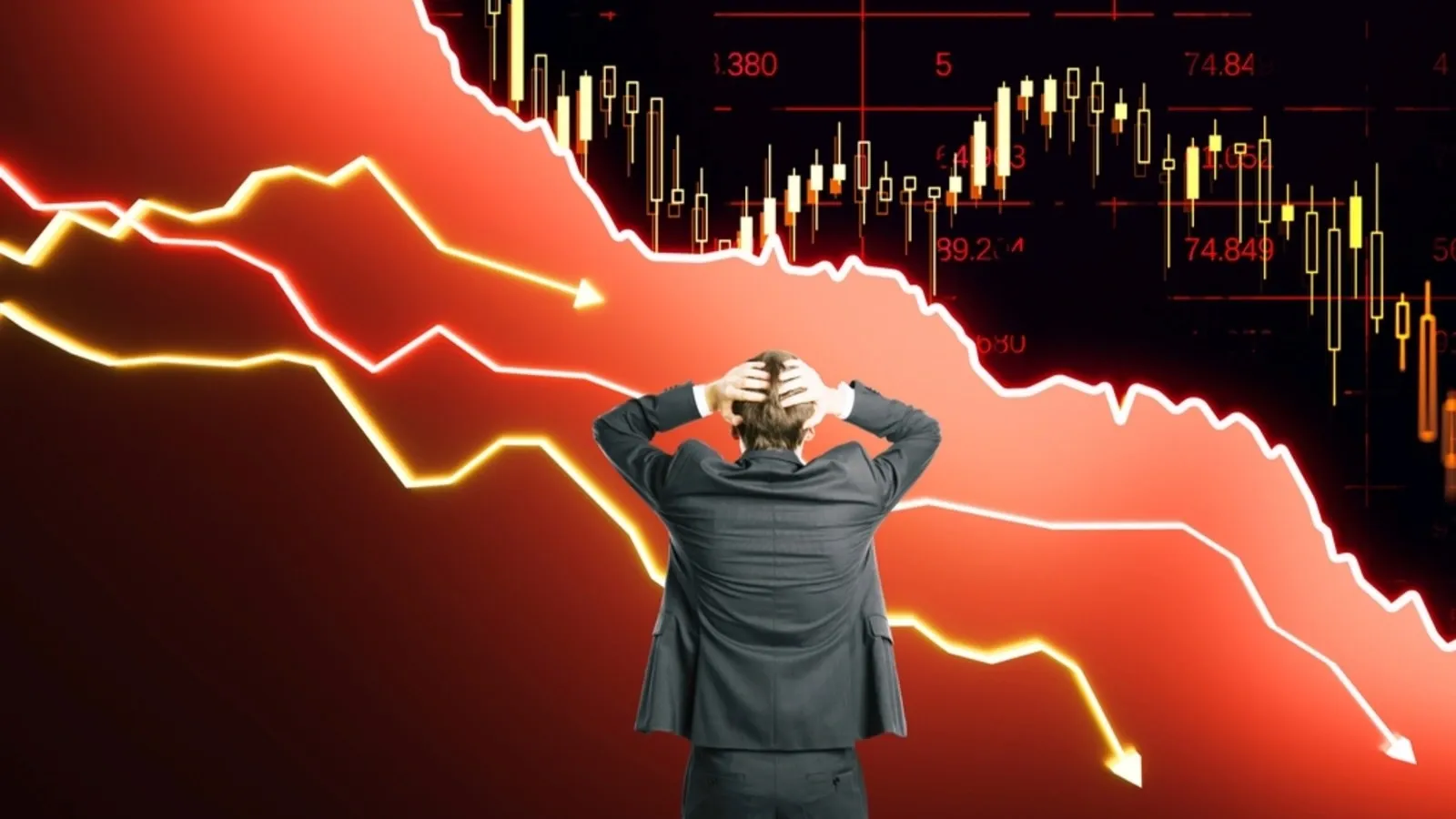
PG&E Corp. shares were trading more than 19% lower ahead of the opening bell at around $13.45 apiece on Monday, August 31.
US-based utility services provider PG&E Corp. shares declined more than 19% during the pre-market hours on the New York Stock Exchange (NYSE) on Monday, August 31, as investors focused on the latest California state government order rejecting wildfire liability reform.
After the opening bell at 7 pm (IST), PG&E Corp’s stock declined more than 20% during the early market hours on Monday to $13.25 per share, compared to the previous US market close.
NYSE data showed that PG&E Corp. shares were trading more than 19% lower ahead of the opening bell at around $13.45 apiece on Monday, in comparison to $16.60 apiece at the previous US equity market close.
The data also showed that the company’s shares ended 7.5% lower after Friday’s trading session at $16.60 apiece on news reports that the court reportedly rejected the proposal to shield utility companies from subrogation claims.
Why are PG&E shares falling today?
PG&E Corp. shares were declining on Monday, August 31, as investors reacted to the court order, which will now make the company pay penalties and damages to the insurance firms which pay the claims for the same to the people.
On Friday evening last week, a California court blocked a proposal that would have limited the amount of money individuals could ask from the companies for damages whose equipment resulted in igniting wildfires.
In the case of wildfire damage in California, people will be claiming their damages from the insurance companies, which will later claim the same damages from the companies whose equipment resulted in causing the disaster.
This move, in turn, adds to investors’ fears that the next major fire in California can potentially result in PG&E Corp. paying millions and billions of dollars in damages, which will have a direct impact on the company's financials.
The leaders of the California Assembly and Senate both rejected the proposal after insurance companies warned that absorbing the wildfire liability would force property insurance premiums sharply higher across the state.
How have PG&E Corp. shares performed?
Shares of PG&E Corp. have delivered more than 47% returns to investors in the last five years, but the stock has lost 12% of its value in the last one-year period, according to NYSE data.
On a year-to-date (YTD) basis, the company’s stock has lost 17% in 2026 and has lost 29% in the last six months.
The exchange data also showed that PG&E Corp. shares have lost 22% in the last one-month period and have declined more than 25% in the last five days on the NYSE.
According to the exchange data, the company’s shares hit their 52-week high of $19.16 apiece, while the 52-week low was at $13.09 apiece. PG&E Corp.’s market capitalisation was at $36.56 billion as of the trading session on Monday, August 31, 2026.
Related News

About The Author
Next Story