
Market News
US debt crisis: Why monitoring US bond yields is critical for investors

7 min read | Updated on August 26, 2026, 17:13 IST


SUMMARY
The US government, which has issued bonds roughly worth $40 trillion, is now finding itself in a difficult position, where the cost of servicing the debt is increasing day by day, hitting multi-decade highs.
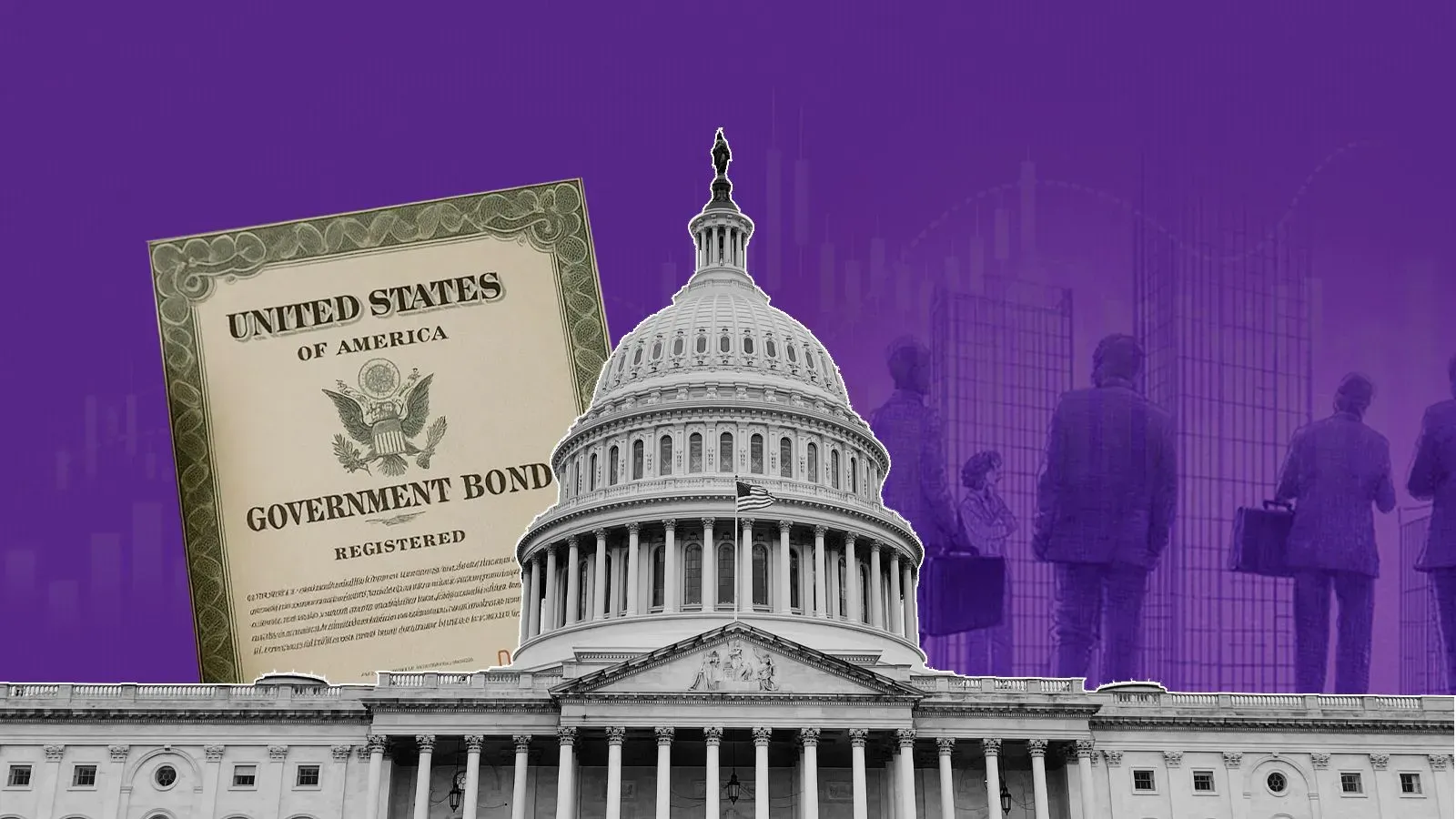
The US 30Y yields hit two-decade high levels, taking US bond markets at a tipping point of debt crisis.
Imagine you owe someone ₹1 lakh, but you are not able to repay them. What do you do next? You borrow it from someone else to pay for it. But the next borrowing is at a higher cost, since your creditworthiness debt is reduced. Thus, the cost to service the debt increases. If you are not able to service the new debt, you borrow again at higher interest rate, and the loop continues. This is exactly what the US economy is struggling with. Let us understand in detail.
What is the crisis all about?
The US government, which has issued bonds roughly worth $40 trillion, is now finding itself in a difficult position, where the cost of servicing the debt is increasing day by day, hitting multi-decade high levels. In general, servicing the cost of debt, i.e. the interest, and honouring the obligation is also manageable when you borrow less than you are worth.
But the US government sits on debt that's more than the country's GDP. In macroeconomic terms, a country's debt is measured via the debt-to-GDP ratio, which currently stands at 122% for the US. And the US government may not be able to maintain the current situation indefinitely, as it is also spending more than it earns. Meaning, the government is running on deficits, spending $7.5 trillion against the total earnings of $5.5 trillion.
The difference is financed through bonds, which are now becoming costlier day by day as more debt issuance increases the prices, i.e. yields, of existing bonds. What happens next is anybody’s guess, but basic macroeconomics suggests that a failure to service the bonds or not finding new buyers for them could have cascading effects on the US economy and, ultimately, the global economy.
Hence, for every investor, it is imperative to closely monitor the US bond yields, as they impact global economic stability.
Is there a way out?
Yes and no. First, let us see what could bring the US economy out of this debt spiral. The debt problem could be managed if the US Treasury yields drop sharply to manageable levels. This means, the servicing cost diminishes, the government's earnings increase, and it keeps the government away from issuing more bonds.
This leads to lower interest rates for longer, boosting economic growth. However, the solution looks pretty simple until the ghost of inflation comes out. Cheaper interest rates increase the possibly of inflation, which again leads to higher interest rates and higher bond yields. Leaving the problem unresolved.
So how will the government tackle the problem?
Let us see point by point what options the US government has to tackle the problem.
In the current inflationary scenario, the Federal Reserve is not in a position to buy more bonds. Moreover, the current governor wants to reduce the balance sheet, meaning sell the existing bond holdings, which again drives yields higher.
What happens next?
The US government is hell-bent on suppressing the yields on the long-dated bonds. However, it also wants to fight the unending US-Iran war, which is upholding the higher crude oil prices and thus keeping inflation fears alive. The bond-buyback announcement did little to nothing to soothe the bond markets, which continue to see high volatility in the yields. The long-term effects of this lead us to a debt crisis in the coming years.
If the yields are not controlled, the ability of the US government to raise fresh debt is reduced, consequently leading to poor confidence in the US economy. This will be followed by more selling of US treasuries by major economies like Japan, the United Kingdom, China and Belgium, leading to currency devaluation.
In the current scenario, where the asset is not backed by physical worth, the safety net reduces, and investors move towards hard assets like gold and silver. Consequently, we have seen a sharp rally of 18% in gold prices from the recent lows.
What do experts say?
Ray Dalio, founder and veteran fund manager of Bridgewater Associates, warns that the US is heading towards a tipping point of a sovereign debt crisis in the next couple of years. Dalio has often advised investors to reduce exposure to the US debt and diversify towards hard and non-sovereign assets.
Jamie Dimon, CEO of JP Morgan Chase, has consistently cautioned investors of an impending crisis led by poor fiscal management of debt, along with inflation and geopolitical instability. When asked about US government bonds, he said, “I will not be a buyer of US bonds”, indicating his stance on the current US bond crisis.
Will the equity markets stay insulated?
The rising bond yields are not just the problem of the US government alone, it also increase individuals’, corporates', and institutions debt servicing costs, as long-term personal, home, and corporate loans are tied to US 10Y yields. So as yields rise, private debt servicing costs also rise, which could harm the AI hyperscalers as they are raising massive amounts of money to fund their AI infrastructure demand. The spillover effect of the bond yields could then lead to an aftermath in equity markets as well.
What should investors do?
The volatility around in the US bond yields will continue as the situation unfolds. Will the US government intervene with more measures or ask Federal Reserve should also be closely monitored. Hence, monitoring the US bond yields should be the single most important barometer to watch for global economic stability.
Related News

About The Author
Next Story

