
Market News
Vedanta vs Hindustan Zinc: Which metal stock delivered higher FY26 dividend and returns on 500 shares

4 min read | Updated on May 15, 2026, 09:43 IST


SUMMARY
Vedanta, Hindustan Zinc, Hindalco and other metal stocks saw a significant rise in FY26, aided by surge in global metal prices, higher production, strong domestic demand. These companies have shown high profitability and consistent dividend payouts for shareholders.
Stock list
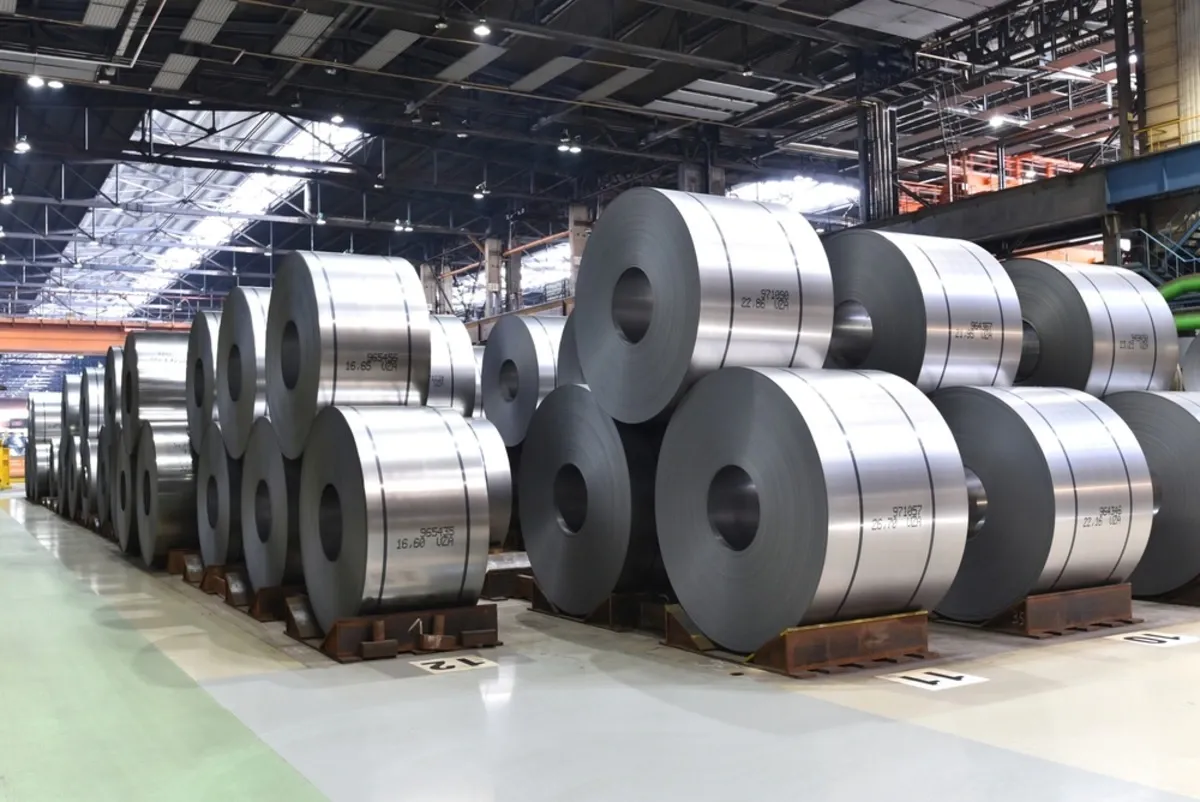
Vedanta delivered strong return of 62.7% in FY26 compared to 13.1% return of Hindustan Zinc. | Image: Shutterstock
Vedanta, Hindustan Zinc, Hindalco Industries, Tata Steel, JSW Steel and other metal stocks delivered strong performance in FY26. The sectoral benchmark NIFTY Metal index rose 23.5% in FY26 compared to 4.3% fall in NIFTY Metal index.
National Aluminium Company (NALCO) emerged one of the top performers among metal stocks with over 120% return in FY26 aided by surge in global aluminium prices, record production. Meanwhile, other metal stocks like Hindalco, Tata Steel have also rallied sharply, supported by rising commodity prices, strong domestic demand for steel and base metals and government-led infrastructure spending
Higher commodity prices improved realisations for mining and metal companies leading to higher profitability for companies like Vedanta and Hindustan Zinc. Vedanta FY26 consolidated net profit rose 22.2% YoY to ₹25,096 crore, while Hindustan Zinc net profit surged 33.3% YoY to ₹13,712 crore.
Strong profitability and robust cash generation enabled these companies to reward shareholders through healthy dividend payouts. Vedanta is the parent company of Hindustan Zinc and holds 60.71% controlling stake in the company.
Vedanta has recently demerge its business into five different entity with May 1, 2026 as record date. Shareholders will receive one share each of the four new entities (Vedanta Aluminium, Vedanta Oil & Gas, Vedanta Power, and Vedanta Iron and Steel). However, Vedanta will continue to have controlling stake in Hindustan Zinc, which is primary cash-generating asset of the Vedanta Group.
| Vedanta | Hindustan Zinc | |
|---|---|---|
| FY26 total dividend | ₹34 per share | ₹21 per share |
| Stock return* | ▲ 42.9% | ▲ 8.5% |
| 500 shares total cost | ₹86,050 (500*₹172.1) | ₹2,31,250 (500*₹462.5) |
| Value of 500 shares | ₹1,23,050 (500*₹246.1) | ₹2,51,050 (500*₹502.1) |
| Dividend income | ₹17,000 for FY26 | ₹10,500 for FY26 |
| Total return | ₹140,050 (▲ 62.7%) | ₹2,61,550 (▲ 13.1%) |
As seen from the above table, Vedanta and Hindustan Zinc gave strong dividend payouts and stock gains. Both companies benefited from higher prices of zinc, aluminium, silver, and other base metals in global markets, which improved overall profitability and cash flows. As a result, companies distributed these gains to shareholders in the form of dividends.
Vedanta delivered strong overall returns among the two companies in FY26. An investment of ₹86,050 in 500 shares at the start of FY26 turned into ₹1,23,050 due to a sharp 42.9% rise in the stock price. Additionally, investors also earned ₹17,000 (500*₹34 per share) as dividend income through three interim dividends of ₹7, ₹16 and ₹11 per share. The total investment value rose to ₹1,40,050, a return of 62.7% in FY26, showcasing the benefit of both capital appreciation and high dividends.
Meanwhile, Hindustan Zinc also delivered a stable return of 13.1% to investors in FY26. Total investment value for 500 shares stood at ₹2,31,250, which increased to ₹2,51,050, while dividend income stood at ₹10,500 for FY26. Total investment value reached ₹2,61,550.
Investor sentiments towards the metal and mining sector have improved in recent years, supported by high commodity prices and stable demand for base metals in the infrastructure and renewable energy sectors. However, the metal sector remains cyclical and sensitive to global growth trends. Commodity prices can become highly volatile if there are any supply concerns or an event like the US-Iran war or export trade tariffs.
Disclaimer:
This article is for educational purposes only. We do not recommend any particular stock, securities or strategies for trading. The securities quoted are exemplary and are not recommended. The stock names mentioned in this article are purely to show how to conduct analysis. Take your own decision before trading and investing.
About The Author
Next Story

