
Market News
Sun Pharma, Dr Reddy’s, Max Healthcare: Pharma, hospital stocks rise up to 6% amid anti-cancer drug margin cap on MRP

SUMMARY
The Centre has decided to cap trade margins at 30% of the maximum retail price (MRP) for all non-scheduled anti-cancer drugs, reportedly covering 110 medicines, including 35 patented drugs, and is expected to be implemented later this month.
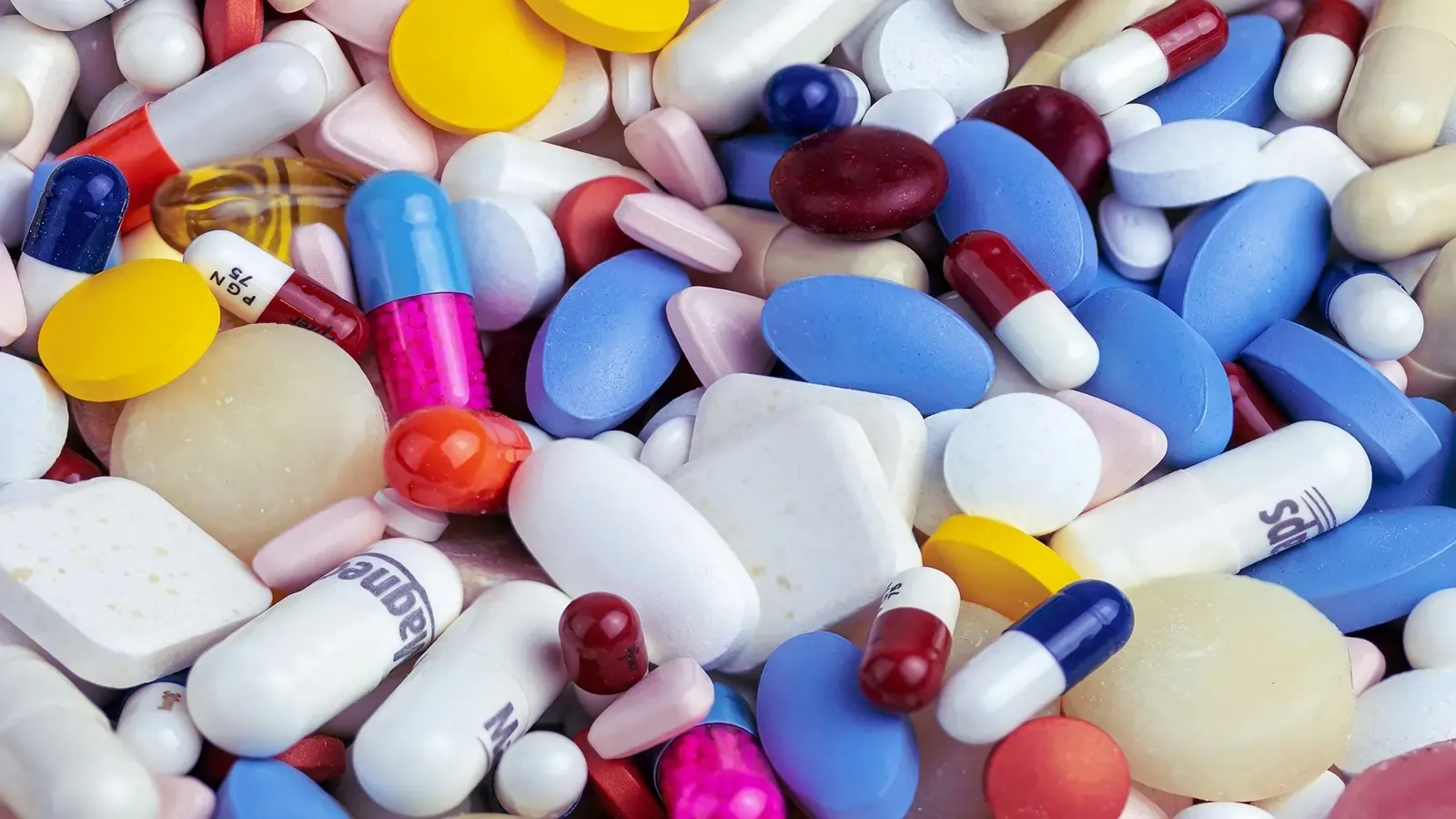
Trade margin is the difference between the price at which a drug is supplied to a distributor or retailer and the price at which it is sold to the patient. Image: Unsplash
Shares of pharma and hospital stocks such as Sun Pharmaceutical, Dr Reddy’s Laboratories, along with hospital operators Max Healthcare Institute, Fortis Healthcare, Apollo Hospitals and Global Health (Medanta) surged on Friday, October 9, as uncertainty eases after the latest 30% trade margin cap on anti-cancer drugs.
NSE data showed that the sectoral benchmark Nifty Healthcare index gained 1.3% to touch an intraday high of 15,902.45 points on Friday’s market, compared to 15,684.65 points at the previous market close.
According to news agency PTI, the proposed measure will cover 110 medicines, including 35 patented drugs, and is expected to be implemented later this month.
The official update suggests that an expert committee under the Directorate General of Health Services (DGHS) will finalise the list of medicines to be covered under the cap.
While the move aims to make cancer treatment more affordable, its impact on individual pharma companies and hospital chains will depend on their exposure to the affected medicines and the role they play in their distribution and sale.
Pharma & healthcare stocks like Fortis Healthcare, Apollo Hospitals, Glenmark Pharma, KIMS, and Max Healthcare were leading the pack of gainers during the intraday trading session on October 9.
Stocks in focus today
| Company name | Intraday high | Intraday gains (%) |
|---|---|---|
| Fortis Healthcare | ₹806 | 5.6% |
| Apollo Hospitals | ₹7,985 | 4.1% |
| Glenmark Pharma | ₹2,274 | 3.7% |
| KIMS | ₹714.90 | 4% |
| Max Healthcare | ₹917.05 | 4.9% |
| Laurus Labs | ₹2,040.70 | 2.1% |
| Dr Reddy’s | ₹1,196 | 1.3% |
| Lupin | ₹1,968.90 | 1.6% |
| Sun Pharma | ₹1,776.80 | 1% |
What is a trade margin?
It is the difference between the price at which a drug is supplied to a distributor or retailer and the price at which it is sold to the patient, expressed under the applicable pricing framework.
What you need to know
The decision, according to reports and analysts, can be potentially negative for pharmaceutical companies in the near term as they sell high-priced anti-cancer drugs with large trade margins, but positive for patients because it aims to reduce treatment costs.
Analysts from Jefferies expect that the near-term margins are likely to be impacted, but this is also anticipated to be transitory, and any EBITDA impact will be manageable.
The impact on individual pharma stocks will depend on how much of their revenue comes from the affected medicines and how much margin they currently earn through the distribution chain.
“Hospitals can recoup the losses via marginal repricing of services like drug administration charges, etc. Checks seem to suggest that hospitals earn a margin of 30-50% on an avg. on onco drugs,” said Goldman Sachs analysts.
As per the Department of Pharmaceuticals’ official announcement, the 30% cap on MRP is expected to reduce medicine prices by up to 70% and help cancer patients save ₹2,500 crore every year.
“These margins will be limited to 30% of the Maximum Retail Price (MRP). The measure is expected to reduce medicine prices by up to 70% and help cancer patients save ₹2,500 crore annually, significantly reducing the amount they pay from their own pockets,” as per the official statement.
All essential medicines under the scheduled list are already subject to strict government-set ceiling prices, and this new decision extends the price protection to non-scheduled cancer medicines.
Related News


About The Authors


Next Story

