Market News
SBI, Bank of India, Indian Bank: PSB stocks rally, NIFTY PSU Bank index jumps 3.5%; key updates you must know

5 min read | Updated on February 09, 2026, 10:52 IST


SUMMARY
SBI share price: On Saturday, SBI reported an all-time high profit of ₹21,028 crore in the December quarter of FY26 (Q3 FY26) on a standalone basis. A special dividend by the IPO-bound asset management arm helped the country's largest bank report a 24% jump in the net profit to ₹21,028 crore, its highest ever.
Stock list

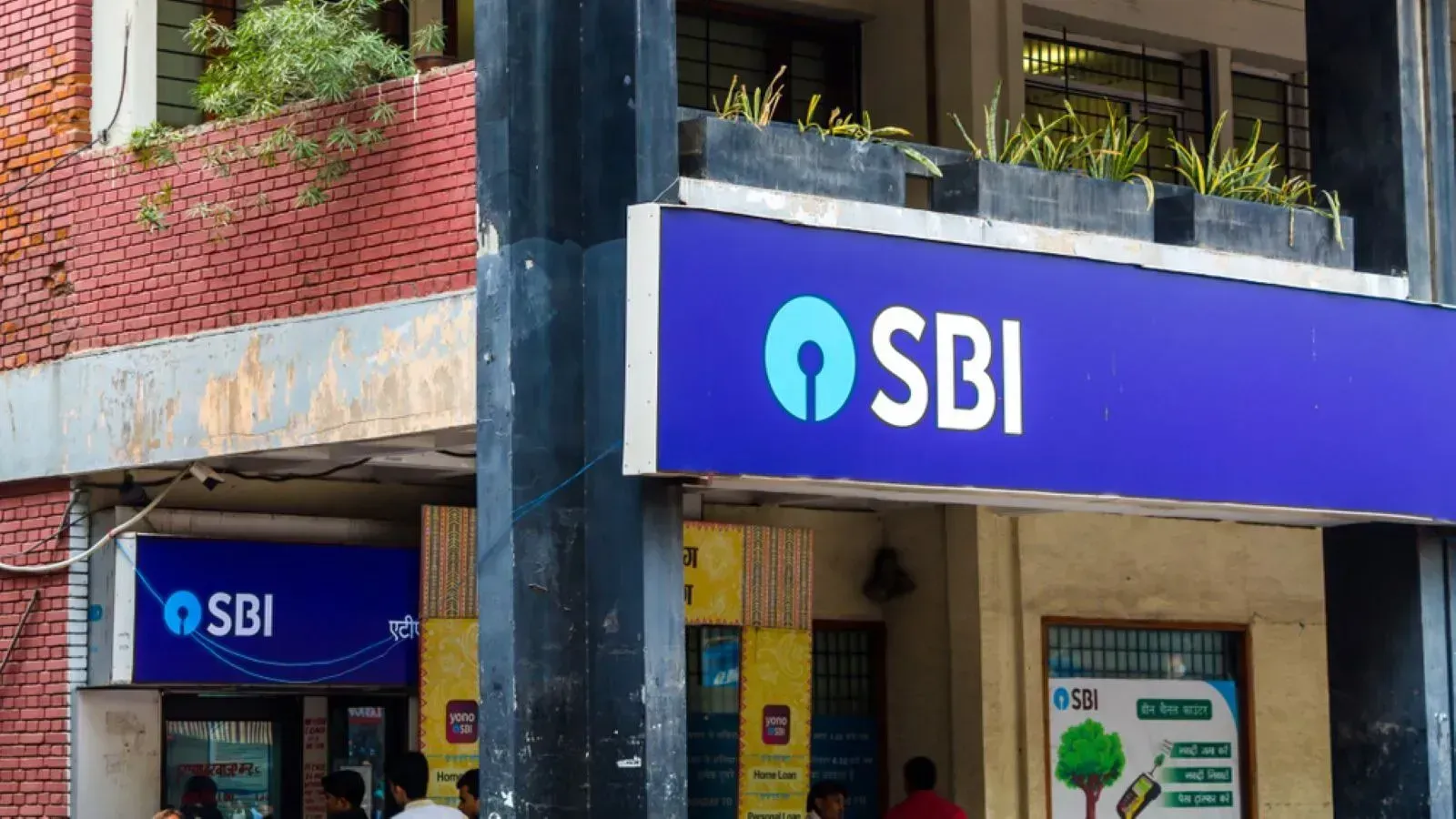
The NIFTY PSU Bank index jumped as much as 3.44% to hit a high of 9,193 levels on the NSE. | Image: Shutterstock
The NIFTY PSU Bank index jumped as much as 3.44% to hit a high of 9,193 levels on the NSE. At the time of writing this article, all 12 constituents were trading in the green.
Strong Q3 Earnings
The quarterly numbers by most public sector banks have been encouraging.
On Saturday, SBI reported an all-time high profit of ₹21,028 crore in the December quarter of FY26 (Q3 FY26) on a standalone basis.
On a standalone basis, a special dividend by the IPO-bound asset management arm helped the country's largest bank report a 24% jump in the net profit to ₹21,028 crore, its highest ever.
Other prominent names such as PNB and Bank of Baroda (BoB) also posted a good set of numbers.
PNB Q3
State-owned Punjab National Bank (PNB) reported a 13% improvement in net profit to ₹5,100 crore for the third quarter ended December 2025 (Q3 FY26).
The bank had earned a net profit of ₹4,508 crore in the same quarter a year ago.
Its total income rose to ₹37,253 crore from ₹34,752 crore logged in the year-ago period, PNB said in a regulatory filing.
Interest income during the quarter also rose to ₹32,231 crore from ₹31,340 crore.
On the asset quality front, the bank's gross non-performing assets ratio moderated to 3.19% from 4.09% a year ago.
Similarly, net NPAs, or bad loans, came down to 0.32% against 0.41% at the end of the third quarter last fiscal.
During the quarter, its capital adequacy ratio increased to 16.77% compared to 15.41% in December 2024.
BoB Q3
Bank of Baroda reported a 4.39% increase in consolidated net profit for the December quarter at ₹5,443 crore, helped by lower provisions as net interest margin compression held back core income growth.
On a standalone basis, its net profit grew to ₹5,055 crore as against ₹4,837 crore in the year-ago period.
The core net interest income grew by just 0.1% to ₹11,800 crore despite a nearly 15% growth in advances, as a 0.25% compression in the net interest margin at 2.79% held back the number.
The bank's managing director and chief executive, Debadatta Chand, told reporters that the bank will likely achieve the upper end of the 11-13% loan growth guidance for FY26 and may also exceed it and is aiming to widen the Net Interest Margin (NIM) to 2.90% by the fourth quarter of this fiscal year.
PSU banks' profit to cross ₹2 lakh crore milestone in FY26
Financial Services Secretary M Nagaraju has exuded confidence that the combined profit of public sector banks (PSBs) should cross ₹2 lakh crore in the current financial year (FY26), owing to the good health of these banks.
Stressing that the Indian banking sector is in good shape, Nagaraju said credit growth of PSBs is at 12% this year, which is tremendously "good", while deposit growth at 10% is also reasonably very good.
Banking panel for Viksit Bharat
PSU bank stocks are in focus as the government will soon constitute a High-Level Committee on Banking for Viksit Bharat to draw up a blueprint to create mega-lenders capable of meeting the financing needs of a developed India, Finance Minister Nirmala Sitharaman said.
"We want the committee to tell us what kind of things we need to do so that banking is made available for funding Viksit Bharat," she told PTI Videos in an interview.
Asked if it would suggest a merger of public sector banks, Sitharaman said one should not narrow it down like that.
"It is for India's banking sector to be made big enough, big enough in the sense of being made or primed to take care of Viksit Bharat funding. You have to reach the Viksit Bharat destination...it (Viksit Bharat) needs money, it needs financing, it needs credit, and it needs banking facilities to reach the common man."
FDI in PSBs may rise to 49%
The Finance Ministry is contemplating hiking foreign direct investment in public sector banks to 49% from the current 20% to enhance their capital base.
"We are still considering, and an inter-ministerial consultation is on for raising the FDI cap to 49%," Financial Services Secretary M Nagaraju said.
The FDI limit in public sector banks (PSBs) and private sector banks is 20% and 74%, respectively.
In the case of private sector banks, up to 49% of FDI is allowed through the automatic route, and beyond 49% and up to 74%, the government route is applicable.
What would be the impact?
A hike in the FDI limit in public sector banks (PSBs) would mean that the government will allow foreign investors to hold a larger stake in state-owned banks than earlier.
In simple terms, FDI refers to overseas investment in Indian companies, and PSBs are banks where the government holds a majority ownership.
Raising the FDI cap enables foreign investors to buy more shares in these banks, which can lead to higher capital inflows, stronger balance sheets, improved governance through global best practices, and a reduced burden on the government for recapitalisation.
Related News
About The Author
Next Story