
Market News
Samvat 2083 outlook: Key factors that could drive or derail Dalal Street; what's in focus for Muhurat Trading?

6 min read | Updated on November 05, 2026, 17:27 IST

SUMMARY
With the upcoming Samvat 2083 in focus of investors, experts predict key factors that investors need to track during the upcoming auspicious Muhurat Trading session on Sunday, November 8.

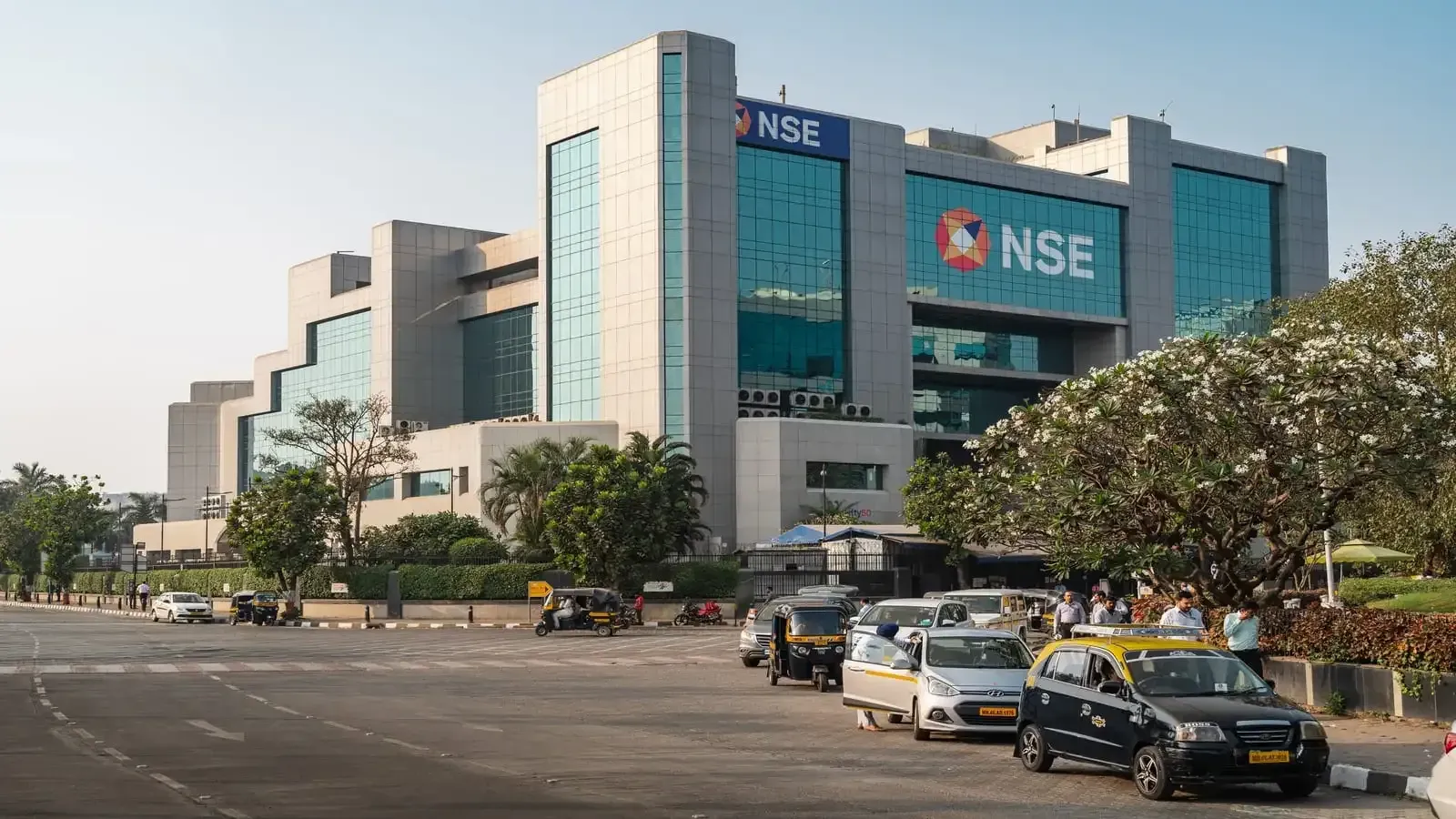
NSE and BSE are scheduled to remain operational for a special Muhurat Trading session on Sunday, November 8. | Image: Shutterstock
This year, Muhurat Trading has been scheduled for Sunday afternoon, November 8, when investors will trade in the special one-hour trading window that coincides with Diwali celebrations.
Traditionally, this special market session has always been considered an auspicious time and a long-standing ritual to start investments, marking the beginning of the Hindu financial year.
Market experts believe that the incoming Samvat 2083 trading year holds a cautiously optimistic outlook, where investors will be able to focus and create long-term investment opportunities in the market.
However, the volumes generally remain lower during Muhurat Trading despite the elevated investor participation, as people now trade in small token amounts as a form of respect to the Goddess Lakshmi.
Key factors to influence markets in Samvat 2083
Experts unanimously predict that domestic earnings growth, geopolitical tensions, crude oil prices, infrastructure spending, along with interest rate movements and currency fluctuations, among other factors, will remain key focus areas for investors in Samvat 2083.
“Domestic earnings growth, consumption recovery and private capex will be key drivers. Globally, geopolitical tensions, particularly in West Asia, crude oil prices and US trade policy will influence risk appetite and capital flows,” said Saikat Kumar, Managing Partner & CEO, DIP Market, Board Member, Red Lions Capital.
Kumar also said that the US midterm elections could also shape expectations around trade and fiscal policy in the country.
Despite the major FII buying support in the current market, experts predict that the sustainability of this purchasing trend is in question, and whether or not it lasts for the longer term.
“Foreign flows close to ₹3 lakh crore sold in 2026, with the final week of October the first net buying in a while and the question being whether it lasts,” said Harshal Dasani, Business Head of INVasset PMS.
Other important factors like energy-linked inflation and supply chain disruption, along with higher general inflation in the economy, could prompt a slowdown in demand, but experts also predict that the strong earnings momentum for FY27 will somewhat balance the headwinds in the upcoming period.
“Energy inflation, Logistical disruption, High general inflation leading to potential demand slowdown and El Niño weather-related disturbances are some of the headwinds to be monitored going ahead,” said Chandraprakash Padiyar, Senior Fund Manager, Tata Asset Management.
Capital markets expert Padiyar also said that stock selection can deliver good performance for investors.
What could drive or derail Dalal Street?
Expanding on the factors, the market experts also emphasised that there are several key momentum cues which can either drive or derail the Indian stock market in the upcoming period.
“A sustained recovery in corporate earnings and domestic investment could drive markets higher. Conversely, elevated crude prices, geopolitical tensions, currency volatility, US policy uncertainty and sustained FPI outflows could weigh on sentiment,” Saikat Kumar told Upstox.
In line with the outlook, Harshal Dasani also said that cues like crude oil prices remaining above $110 per barrel for a prolonged time due to the US-Iran conflict, a weaker Indian rupee rate, along with a higher-than-expected 50 bps rate hike from the Reserve Bank of India due to inflation concerns, can derail Dalal Street.
While the key drivers remain external, as oil prices declining under $85 per barrel and the reduction in pressure on the Indian currency can power the Indian stock market.
“Geopolitical factors can derail global growth prospects, whereas structural factors like favourable demographics, urbanisation, a strong banking sector, and a stable real estate sector can drive India equity markets,” said Chandraprakash Padiyar of Tata Mutual Fund.
What time is Muhurat Trading on Sunday?
Both the National Stock Exchange (NSE) and the Bombay Stock Exchange (BSE) are scheduled to remain operational for a special Muhurat Trading session on Sunday afternoon, November 8, on account of Diwali Laxmi Pujan.
As per the official circular, the stock exchanges will start the pre-open session at 2:05 pm (IST) and, after a period of 15 mins, the market will be open for a regular trading session from 2:20 pm on Sunday.
The block deal window will remain open from 1:50 pm to 2:05 pm before the pre-opening bell.
The special trading session will remain open for one hour until 3:20 pm on Sunday, following which the market will close at 3:30 pm after conducting a 10-minute Closing Auction Session (CAS).
What’s the outlook for Muhurat Trading session?
Largely, the sentiment of investors and experts is cautiously optimistic about Samvat 2083, with key focus on creating opportunities for long-term investment discipline rather than focusing on the near-term volatility in the market.
“Watch it for what it reveals, not for what it predicts,” Harshal Dasani said, commenting on what investors should watch during the Muhurat Trading session. “The sectors that attract the token buying, since Muhurat money goes where investors already feel safe, and that map is a free read on positioning.”
Aparna Shankar, CIO-Equity of The Wealth Company Mutual Fund, believes that the Muhurat trading, while symbolically significant, should be viewed as an opportunity to reaffirm long-term investment discipline rather than make decisions based on a single trading session.
“Investors should approach the year with calibrated optimism, maintain diversification and avoid chasing short-term market momentum,” said Shankar.
On the overall outlook for Indian equities, Saikat Kumar said that the Indian equities look cautiously constructive over the upcoming medium term due to the proving earnings visibility and valuations.
However, the expert said that the returns are likely to be increasingly earnings-led, making business quality, valuation discipline and bottom-up stock selection critical.
Related News

About The Author
Next Story

